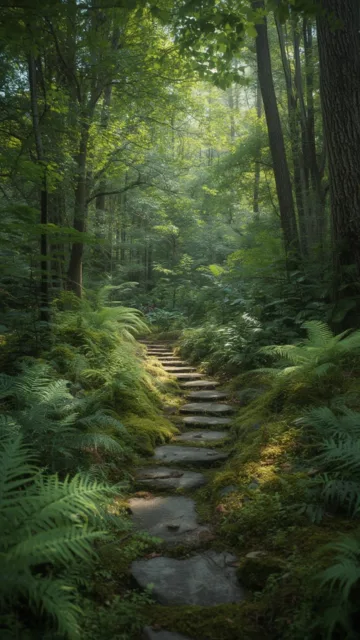
Creating a Charming Woodland Garden: A Beginner’s Guide
Opening
Imagine stepping into a quiet corner of your yard where ferns unfurl, hostas spread their glossy leaves, and the scent of damp earth welcomes you. A woodland garden can bring that forest‑like serenity right to your home, even if you have limited space. By mimicking the natural layers of a shade garden plants, forest shade garden, you’ll create a low‑maintenance oasis that thrives in low‑light conditions and supports local wildlife.
Understanding the Woodland Garden Concept
What Makes a Garden “Woodland”?
A woodland garden is designed to replicate the structure of a natural forest. It typically includes three layers:
- Canopy – taller trees or shrubs that filter sunlight.
- Understory – mid‑height plants such as shade‑tolerant shrubs.
- Groundcover – low‑growing perennials, ferns, and mosses.
This layered approach creates a cool, moist micro‑climate that suits shade‑loving species and reduces watering needs.
Why Choose a Woodland Garden?
Beyond the stunning visual appeal, woodland gardens offer several benefits:
- Excellent for sites with limited sun exposure.
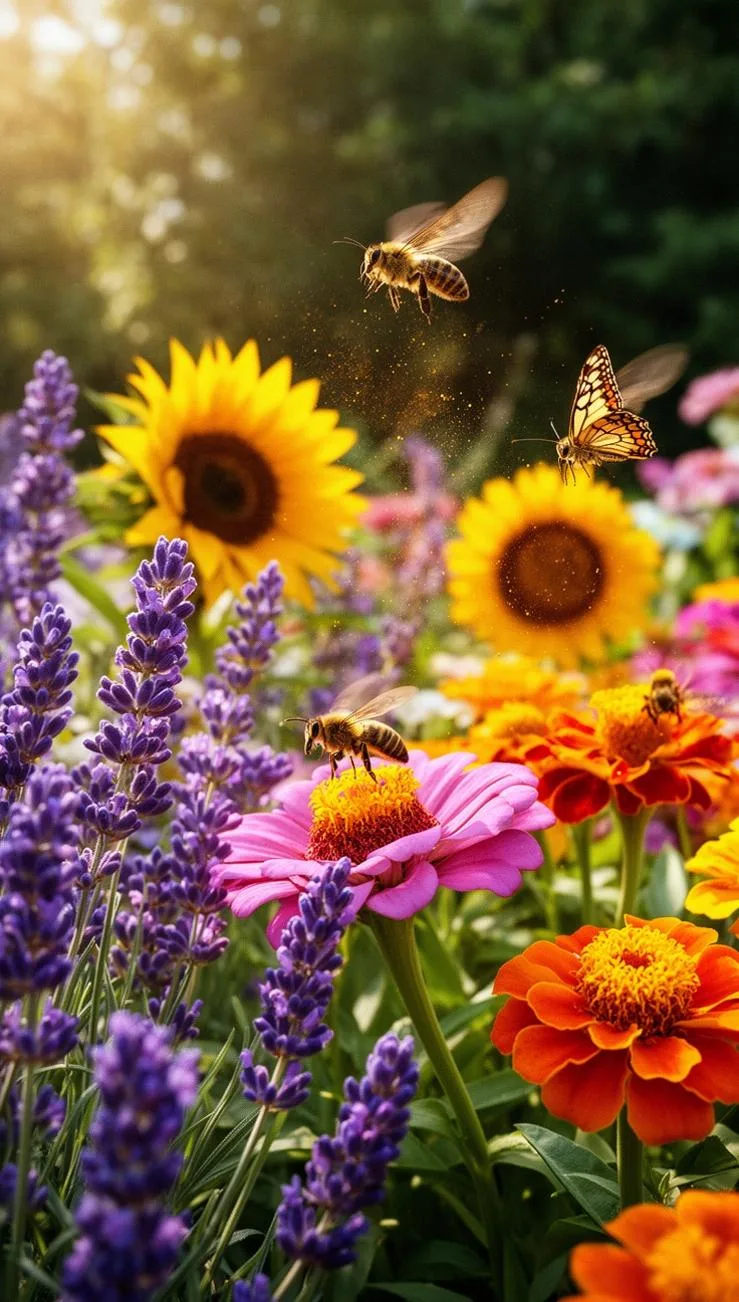
- Supports pollinators, birds, and beneficial insects.
- Provides year‑round interest with foliage texture and seasonal color.
- Often requires less pruning and fertilizing than high‑maintenance borders.
Choosing the Right Site
Assess Light, Soil, and Moisture
Start by watching your garden for a week. Note the hours of shade—full shade, dappled, or partial sun—and the soil’s drainage. Most woodland plants prosper in moist, well‑draining, acidic to neutral soils.
Map Out the Layers
Sketch a simple plan:
- Mark where mature trees or tall shrubs will sit (canopy).
- Reserve space for medium‑height shrubs (understory).
- Allocate the remaining area for groundcovers and ferns.
Step‑by‑Step Instructions
Follow this practical blueprint to turn a bland patch into a thriving woodland garden. Each step incorporates essential shade garden plants, forest shade garden principles, ensuring your space feels natural and cohesive.
Step 1 – Prepare the Soil
- Remove existing grass or weeds.
- Loosen the top 12‑15 inches with a spade or garden fork.
- Incorporate 2‑3 inches of organic compost and, if needed, peat moss to increase acidity.
Step 2 – Install the Canopy
Select native trees or large shrubs that tolerate shade:
- European hornbeam (Carpinus betulus)
- Japanese maple (Acer palmatum)
- Rhododendron spp.
Plant them at least 6‑8 feet apart to allow room for mature spread.
Step 3 – Add Understory Shrubs
Choose mid‑height, shade‑loving shrubs to fill the middle tier:
- Azalea (Rhododendron spp.)
- Mahonia (Oregon grape)
- Hydrangea arborea (tree hydrangea)
Step 4 – Plant Groundcovers and Ferns
These create texture and keep the soil moist:
- Hosta varieties (e.g., ‘Patriot’, ‘Blue Angel’)
- Japanese forest fern (Dryopteris japonica)
- Lily of the valley (Convallaria majalis)
- Sweet woodruff (Galium odoratum)
Step 5 – Mulch and Water
Apply a 2‑inch layer of shredded bark or leaf mulch to retain moisture and suppress weeds. Water deeply after planting and keep the soil consistently damp for the first 4‑6 weeks.
Step 6 – Maintain the Ecosystem
- Trim dead or diseased branches in late winter.
- Divide hostas every 3‑4 years to prevent overcrowding.
- Refresh mulch annually.
Tips from Experienced Gardeners
- Start small: A 6‑ft‑by‑6‑ft section allows you to master the technique before expanding.
- Use native species: They’re better adapted to local pests and climate.
- Layer gradually: Plant canopy first, let it establish, then add understory and groundcovers.
- Observe wildlife: Birds love berries; planting elderberry or viburnum adds food and visual interest.
- Seasonal interest: Include spring‑blooming spring ephemerals like trillium for early color.
Common Mistakes to Avoid
- Planting too many sun‑loving perennials in deep shade.
- Over‑watering or allowing standing water, which can rot roots.
- Neglecting soil preparation—poor drainage leads to fungal diseases.
- Choosing invasive species that outcompete native plants.
- Skipping mulch, which increases weed pressure and moisture loss.
Tools or Materials Needed
- Spade or garden fork
- Garden rake
- Compost and peat moss
- Shredded bark or leaf mulch
- Watering hose or drip‑irrigation kit
- Pruning shears for canopy maintenance
Seasonal or Climate Considerations
Spring
Focus on planting early‑blooming groundcovers and dividing existing hostas.
Summer
Maintain consistent moisture; mulch helps keep roots cool.
Fall
Apply a fresh mulch layer and plant late‑season shrubs that will establish before winter.
Winter
Prune dead wood on trees and shrubs during dormancy to encourage healthy growth in spring.
Benefits of This Gardening Method or Plant
Beyond aesthetics, a woodland garden provides:
- Habitat for pollinators and beneficial insects.
- Natural erosion control on slopes.
- Reduced water usage due to shade‑induced lower evaporation.
- Improved soil health from leaf litter decomposition.
Alternative Methods
If space or soil conditions limit a full woodland garden, consider these variations:
- Container woodland: Use large pots to mimic layers on a balcony.
- Shade border: Plant a mix of shade‑tolerant perennials along an existing wall.
- Mini‑forest patch: Focus on a single species (e.g., Japanese maple) with a dense understory of ferns.
Conclusion
Creating a thriving woodland garden is within reach for beginners willing to follow a step‑by‑step plan and respect the natural rhythm of shade‑loving ecosystems. By integrating the right shade garden plants, forest shade garden elements—canopy, understory, and groundcover—you’ll enjoy a peaceful, low‑maintenance retreat that supports wildlife and enhances your property’s value. Happy planting!
Frequently Asked Questions
- Can I start a woodland garden in a fully sunny spot?
It’s better to begin in a partially shaded area; you can create artificial shade with taller shrubs or a shade sail. - How long does it take for a woodland garden to look mature?
Typically 3‑5 years for trees and large shrubs to establish, while groundcovers can show results within the first season. - Do I need to fertilize?
Most woodland plants thrive in low‑fertility soils; a light application of compost in spring is usually sufficient. - What wildlife will be attracted?
Birds, butterflies, and beneficial insects such as ladybugs are drawn to the nectar, berries, and shelter. - Is mulching essential?
Yes—mulch conserves moisture, suppresses weeds, and mimics the leaf‑litter layer of a natural forest.