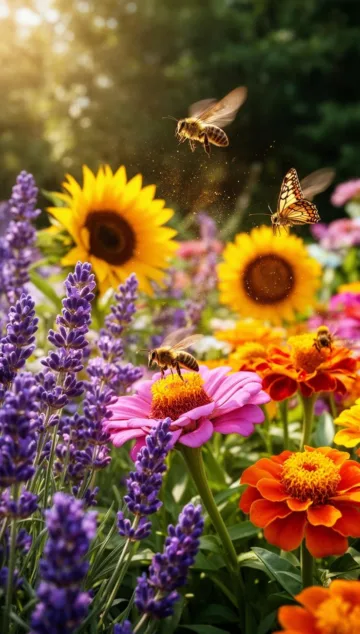
Buzzing with Life: Transform Your Garden with High-Impact Summer Blooms
There is something truly magical about a garden that hums with life. When you step outside on a warm July afternoon and see a Monarch butterfly dancing over a bloom or a fuzzy bumblebee methodically visiting every flower, you know your garden is doing its job. Choosing the right summer pollinator plants is more than just an aesthetic choice; it is an act of environmental stewardship. By filling your landscape with pollinator flowers summer insects crave, you are providing the essential nectar and pollen needed to sustain local ecosystems during the hottest months of the year. In this guide, we will explore how to turn your backyard into a thriving sanctuary where nature thrives and your spirit finds peace.
Understanding the Needs of Summer Pollinators
To build a successful pollinator garden, we first have to understand who our guests are and what they need. Pollinators include bees, butterflies, moths, hummingbirds, and even some beetles. Each has different preferences for flower shape, color, and scent.
The Importance of Bloom Succession
The key to a high-traffic garden is ensuring there is always something on the menu. While spring bulbs are great, the heat of July and August can often cause a “nectar gap” if you aren’t careful. By focusing on heat-tolerant varieties, you ensure that the buffet stays open from dawn until dusk throughout the entire season.
Color and Shape Preferences
Different pollinators are attracted to different things. Hummingbirds are famously drawn to red, tubular flowers. Bees, on the other hand, see blue and violet better than red. Butterflies often prefer “landing pads”—flat-topped flowers like Zinnias or Yarrow where they can rest while they drink.
Top Plant Picks for the Summer Season
If you are looking for the “MVPs” of the summer garden, these plants are tried-and-true favorites that handle the heat while providing maximum nutrients.
Purple Coneflower (Echinacea)
A staple in any sunny garden, Echinacea is rugged and beautiful. Its spiky central cone is packed with nectar, and its sturdy stems mean it won’t flop over in a summer thunderstorm.
Black-Eyed Susans (Rudbeckia)
These cheerful yellow flowers are incredibly hardy. They bloom for weeks on end and are a favorite for native bees. They also add a wonderful “cottage garden” feel to any border.
Butterfly Weed (Asclepias tuberosa)
Don’t let the word “weed” fool you. This vibrant orange perennial is the host plant for Monarch butterfly larvae. Without milkweed varieties, we wouldn’t have Monarchs. It is deep-rooted and very drought-tolerant once established.
Bee Balm (Monarda)
Living up to its name, Bee Balm is a magnet for bees and hummingbirds. Its unique, raggedy blossoms come in shades of red, pink, and purple. As a bonus, the leaves have a lovely minty-citrus scent.
How to Design Your Pollinator Paradise
Designing a garden is like painting a picture, but the “paint” grows and changes over time.
Planting in Drifts
Instead of planting one of this and one of that, try planting in “drifts” or groups of three to five. This makes it much easier for a flying pollinator to spot the flowers from a distance. It’s more energy-efficient for a bee to move between five nearby flowers than to hunt for single plants scattered across a yard.
Height Contrast and Layering
Place taller plants like Joe Pye Weed or Sunflowers at the back of the border, with mid-sized plants like Salvia in the middle, and low-growing groundcovers like Sedum at the front. This creates a “staircase” of nectar.
Step-by-Step Instructions for Planting Your Garden
Ready to get your hands dirty? Follow these steps to ensure your new additions thrive during the warmest months of the year.
1. Site Assessment: Choose a spot that receives at least six to eight hours of direct sunlight. Most summer pollinator plants require full sun to produce the maximum amount of sugar-rich nectar.
2. Soil Preparation: Clear away grass and weeds. Mix in two inches of high-quality compost to give your plants the nutrients they need to establish quickly.
3. The Layout: Before digging, place your potted plants on the ground to see how they look. Ensure you are leaving enough space for their “mature width” so they don’t get crowded.
4. Planting: Dig a hole twice as wide as the root ball. Place the plant in the hole, ensuring it is at the same depth it was in the pot. Fill with soil and press down firmly to remove air pockets.
5. Watering In: This is the most critical step for pollinator flowers summer success. Water deeply immediately after planting to settle the soil around the roots.
6. Mulching: Apply a two-inch layer of wood chips or straw around the base of the plants (but not touching the stems) to keep the roots cool and retain moisture during July heatwaves.
Tips from Experienced Gardeners
Those who have been gardening for decades have learned a few secrets that don’t always appear on the plant tag.
- Deadheading is Your Friend: For many varieties like Zinnias or Cosmos, the more you cut the flowers, the more the plant produces. Removing spent blooms prevents the plant from going to seed and encourages it to keep providing nectar.
- Leave a Little Mess: Don’t be too quick to “tidy up.” Some ground-nesting bees need patches of bare soil, and many butterflies spend the night hanging from the underside of leaves or tall grasses.
- Provide a Water Station: Pollinators get thirsty! A shallow dish filled with pebbles and water allows bees and butterflies to land and drink without the risk of drowning.
Common Mistakes to Avoid
Even experienced gardeners can run into trouble. Avoid these pitfalls to keep your habitat healthy:
- Using Pesticides: This is the big one. Even “organic” pesticides can be harmful to beneficial insects. If you have a pest problem, try manual removal or attracting predatory insects like ladybugs.
- Buying Invasive Species: Some beautiful flowers can take over your local ecosystem. Always check if a plant is considered invasive in your specific region before planting.
- Only Planting Annuals: While annuals provide quick color, perennials are the backbone of a pollinator garden. They return year after year and often have deeper root systems.
Tools and Materials Needed
You don’t need a shed full of high-tech gear to start a garden. Here is the basic kit:
- Hand Trowel: For digging small holes.
- Garden Fork: Helpful for breaking up compacted soil.
- Soaker Hose or Watering Can: To ensure deep, targeted hydration.
- Gardening Gloves: To protect your hands from thorns and blisters.
- Organic Compost: To boost soil health and microbial activity.
Seasonal and Climate Considerations
Your geographical location plays a huge role in what will work best.
Dealing with Extreme Heat
In southern climates, some “full sun” plants might actually appreciate a little afternoon shade. If you live in a very arid region, focus on xeric (water-wise) pollinators like Agastache (Hyssop) or Lavender.
Preparing for Winter
In colder zones, don’t cut back your perennials in the late fall. The hollow stems of plants like Joe Pye Weed or Bee Balm provide a place for solitary bees to overwinter. Wait until spring, once temperatures are consistently above 50°F, to do your garden cleanup.
Benefits of Planting for Pollinators
Why go through the effort? The rewards are far-reaching.
- Increased Food Production: If you grow vegetables or fruit, having more pollinators nearby will significantly increase your harvests of tomatoes, cucumbers, and berries.
- Mental Well-being: Watching the movement and life in a pollinator garden is a proven way to reduce stress and anxiety.
- Biodiversity Support: You are creating a “stepping stone” habitat that helps wildlife migrate and survive in an increasingly urbanized world.
Alternative Methods: Container Gardening
Don’t have a big backyard? You can still help!
Most summer pollinator plants thrive in large pots. A balcony filled with containers of Lantana, Pentas, and Salvia can be a lifesaver for urban bees. Just remember that containers dry out much faster than the ground, so you may need to water them every morning during the peak of summer. Using self-watering pots can be a great way to manage this.
Conclusion
Creating a haven for wildlife is one of the most rewarding projects a gardener can undertake. By selecting a diverse range of summer pollinator plants, you are ensuring that your outdoor space remains a vibrant, buzzing sanctuary through the leanest months of the year. Whether you have a sprawling meadow or a few sunny pots on a patio, the pollinator flowers summer brings will offer beauty to your home and life-saving resources to the creatures that sustain our world. Get started today, and by mid-summer, you’ll be enjoying the sight of butterflies and the gentle hum of bees right outside your window.
Frequently Asked Questions
1. Do I need to water my pollinator garden every day?
Newly planted flowers need frequent watering to establish roots. However, once established, many native pollinator plants are drought-tolerant and only need a deep soak once or twice a week, depending on your climate.
2. Will a pollinator garden attract unwanted wasps or hornets?
While you may see a few wasps, they are generally not aggressive when they are foraging for nectar. They are much more interested in the flowers than they are in you!
3. Can I grow these plants from seed?
Absolutely! Many summer favorites like Zinnias, Cosmos, and Sunflowers are incredibly easy to grow from seed tucked directly into the soil after the last frost.
4. What is the best time of year to start a pollinator garden?
While spring is the traditional time, you can plant as long as the ground isn’t frozen. If planting in mid-summer, just be prepared to water much more frequently until the plants settle in.
5. Why are some bees “sleeping” in my flowers?
It’s common to see male native bees curled up in flowers like Squash blossoms or Sunflowers in the evening. They are simply resting and waiting for the sun to warm them up the next morning!