Why a Winter Garden Matters
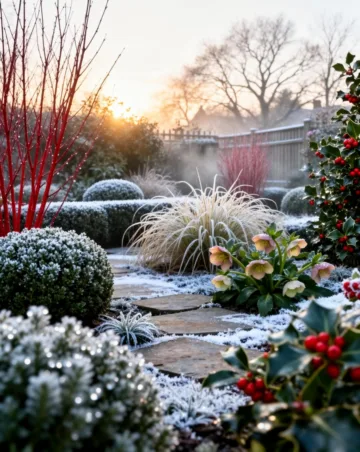
When the days grow short and the frost bites, many gardeners think their work is done for the season. In reality, winter offers a unique canvas for creativity. By planning a garden that thrives on cold days, you keep your yard alive, colorful, and interesting even when most buds are dormant. This approach not only adds visual appeal but also provides food and shelter for wildlife when resources are scarce. Below we’ll explore how to design a winter interest garden that transforms your space into a winter landscape garden, winter plants showcase.
Choosing the Right Plants
Evergreen Foundations
Evergreens are the backbone of any cold‑season design. Their year‑round foliage offers structure and contrast against bare branches.
-
- Boxwood (Buxus spp.) – compact, easy to shape.
-
- Holly (Ilex spp.) – glossy leaves and bright berries.
-
- Yew (Taxus baccata) – tolerates deep shade.
Winter‑Flowering Highlights
To add pops of colour, select plants that bloom during the cold months.
-
- Winter Jasmine (Jasminum nudiflorum) – bright yellow flowers on bare stems.
-
- Camelia (Camellia japonica) – velvety rose‑red or white blossoms.
-
- Hellebore (Helleborus orientalis) – “Christmas rose” with subtle pinks and purples.
Structural Grasses and Berries
Grasses provide movement, while berries attract birds.
-
- Pineapple Sage (Salvia elegans) – feathery foliage with occasional blooms.
-
- Red‑twig Dogwood (Cornus sericea) – striking red stems that glow in snow.
-
- Winterberry (Ilex verticillata) – bright red drupes that persist into January.
Design Principles for a Cold‑Season Garden
Layering for Depth
Place taller evergreens at the back, mid‑height flowering shrubs in the middle, and low‑growing grasses or groundcovers at the front. This creates a tiered effect that looks full even when foliage is sparse.
Texture and Contrast
Mix glossy leaves with matte foliage, and pair fine, feathery grasses with bold, leathery stems. Contrast keeps the eye moving across the space.
Seasonal Accents
Incorporate non‑plant elements – bird feeders, ornamental stones, or a simple garden sculpture – to give interest when snow covers the ground.
Step‑by‑Step Guide to Building Your Winter Garden
Follow these actionable steps to turn a dull winter yard into a thriving winter interest garden. Along the way you’ll select the right winter landscape garden, winter plants and create a design that works year after year.
-
- Assess Light and Soil – Walk the site in daylight and note sun exposure. Test the soil pH; most winter‑hardy shrubs prefer slightly acidic to neutral soil.
-
- Map Your Space – Sketch a rough plan on graph paper. Mark where taller evergreens, medium shrubs, and low groundcovers will go.
-
- Select Core Plants – Choose 2‑3 evergreens for structure, 2‑3 winter‑flowering shrubs for colour, and a handful of grasses or bamboos for texture.
-
- Prepare the Bed – Remove weeds, loosen the soil, and add compost or well‑rotted manure to improve fertility.
-
- Plant in Layers – Start with the back layer, then work forward. Space each plant according to its mature width to avoid crowding.
-
- Mulch and Water – Apply a 2‑inch layer of shredded bark or leaf mulch. Water thoroughly after planting, then reduce frequency once plants are established.
-
- Add Accents – Place a bird feeder, winter‑proof garden art, or a decorative stone pathway to enhance visual interest.
-
- Maintain Through Winter – Snow can protect roots, but clear heavy drifts from low plants to prevent breakage. Prune dead stems in early spring.
Tips from Experienced Gardeners
-
- Plan for the future: Choose plants that will grow larger over time; they’ll provide more structure in later years.
-
- Use container planting: Portable pots allow you to move delicate shrubs to sheltered spots during severe cold snaps.
-
- Group by water needs: Keep drought‑tolerant plants together and water them sparingly, while moisture‑loving species can share a wetter zone.
-
- Look for native species: Native winter plants are often better adapted to local climate extremes.
-
- Consider the garden’s “off‑season”: Even in winter, maintenance tasks like deadheading and cleaning up fallen leaves keep the garden healthy.
Common Mistakes to Avoid
-
- Planting too close together – Crowding reduces airflow, increasing disease risk.
-
- Choosing non‑hardy varieties – Some popular “winter flowers” actually need milder climates.
-
- Neglecting soil preparation – Compact soil limits root growth, especially for evergreens.
-
- Over‑watering – Waterlogged roots can freeze and die.
-
- Forgetting winter protection – Sensitive stems should be wrapped with burlap during extreme cold.
Tools or Materials Needed
-
- Garden spade and trowel
-
- Pruning shears (bypass type)
-
- Garden gloves (thermal for cold)
-
- Compost or well‑rotten manure
-
- Mulch (bark chips, pine needles)
-
- Measuring tape or stakes for layout
-
- Watering can or hose with a freeze‑proof nozzle
Seasonal or Climate Considerations
Understanding your local climate helps you select the most suitable winter‑hardy plants.
-
- Cold‑Hardiness Zones – Check your USDA zone; plants rated for zones lower than yours thrive comfortably.
-
- Snow Cover – In regions with heavy snow, select low, flexible plants that can bend without breaking.
-
- Wind Exposure – Use windbreaks (hedges or fences) to protect delicate shrubs.
-
- Sunlight Duration – South‑facing sites receive more light, allowing for slightly less hardy species.
Benefits of This Gardening Method
Creating a garden that shines in winter brings multiple advantages:
-
- Extended visual interest – Gardens aren’t dormant; colour and texture persist.
-
- Biodiversity support – Birds and pollinators rely on winter resources.
-
- Soil health – Perennial roots protect soil from erosion and freeze‑thaw cycles.
-
- Personal satisfaction – Tending a garden in cold months can be therapeutic and rewarding.
Alternative Methods
If you prefer a lower‑maintenance approach, consider these options:
-
- Container‑only winter garden – Move pots indoors during severe freezes.
-
- Rock garden with succulents – Certain hardy succulents (e.g., Sempervivum) survive frost.
-
- Evergreen turf – Plant a ground‑cover like Vinca minor for a carpet of green.
Conclusion: Bringing Winter to Life
Even when the world outside looks monochrome, your yard can be a canvas of colour, texture, and life. By following the steps outlined above, you’ll create a thriving winter interest garden that showcases the best of a winter landscape garden, winter plants selection. Embrace the season, enjoy the quiet beauty, and let your garden become a source of pride and comfort throughout the colder months.
Frequently Asked Questions
1. Which plants are safest for zones 5‑7?
Evergreens like Boxwood and Yew, winter‑flowering shrubs such as Camellia and Hellebore, and ornamental grasses like Feather Reed Grass thrive well in zones 5‑7.
2. How often should I water my winter garden?
Water deeply once a week if the ground isn’t frozen, reducing frequency as temperatures drop. Over‑watering can lead to root rot.
3. Can I plant bulbs for winter colour?
Yes, autumn‑planting of bulbs like Crocus, Daffodil, and Snowdrops provides early spring colour, but they don’t bloom in deep winter.
4. Do I need to fertilize in winter?
Apply a slow‑release, balanced fertilizer in late autumn to give plants nutrients for the dormant period. Avoid heavy nitrogen which can encourage tender growth susceptible to frost.
5. How do I protect my garden from harsh winds?
Install windbreaks using sturdy shrubs, fences, or burlap screens. Position delicate plants on the leeward side of existing structures.