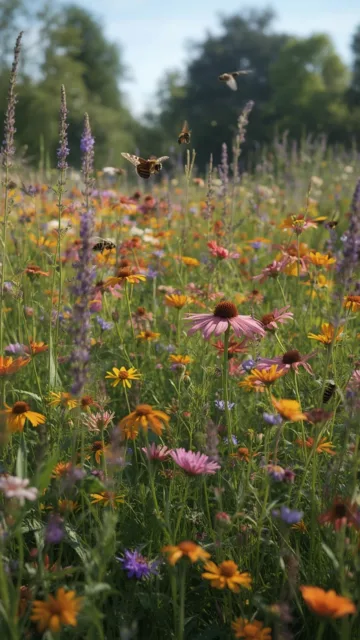
Transform Your Yard into a Colorful Sanctuary with Simple Steps
Opening
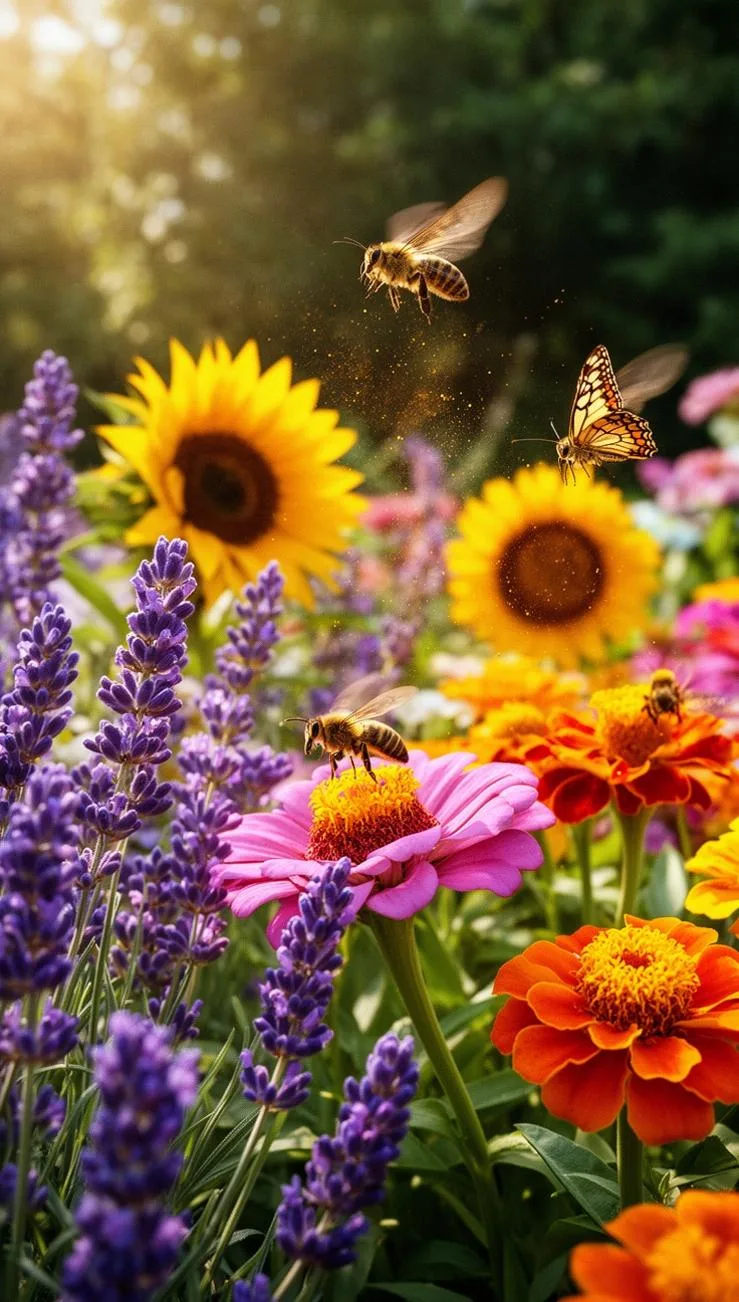
Imagine stepping out onto a patch of land that bursts with color, scent, and buzzing life — all without the high‑maintenance demands of a formal flower bed. A wildflower garden offers exactly that: a welcoming, low‑effort oasis that supports pollinators and brings natural beauty to any yard. By using native wildflowers, meadow flowers, you tap into plants that have already adapted to local soil, climate, and wildlife, making success easier for beginners and rewarding for intermediate gardeners alike. Let’s explore how to create this vibrant mini‑meadow right at home.
Planning Your Space
Selecting the Right Site
– Sunlight: Most meadow‑type plants love full sun (6 + hours). Choose a spot that isn’t heavily shaded.
– Drainage: A gentle slope or well‑draining soil prevents water‑logging, which can rot roots.
– Visibility: Position the patch where you can enjoy it from a patio or window, or where it can be an eye‑catching backdrop for other garden beds.
Measuring and Sketching
1. Measure the area in square feet.
2. Sketch a simple plan on graph paper, marking where you’ll place taller species (e.g., coneflowers) and lower ground‑covers (e.g., baby’s breath).
3. Reserve a small “path” for easy access during weeding or deadheading.
Choosing the Right Plants
Annual vs. Perennial Selections
– Annuals (e.g., larkspur, poppies) provide a quick burst of color but need re‑seeding each year.
– Perennials (e.g., black‑eyed Susan, prairie coreopsis) return year after year, gradually filling in gaps.
Popular Species for Beginners
| Plant | Height | Bloom Time | Light Needs |
|——-|——–|———–|————-|
| Black‑Eyed Susan | 2‑3 ft | Summer | Full sun |
| Blanketflower | 1‑2 ft | Early summer | Full sun |
| Coreopsis (Tickseed) | 1‑2 ft | Summer‑early fall | Full sun |
| Wild Bergamot | 2‑3 ft | Mid‑summer | Full sun to light shade |
| Desert Marigold | 0.5‑1 ft | Late spring | Full sun |
(These selections are widely available at most nurseries and are well‑suited to many U.S. temperate zones.)
Planting Techniques
Seed vs. Plug Planting
– Seeds are the most economical way to achieve a natural look. Broadcast them lightly and rake in just enough soil to cover.
– Plugs (small rooted plants) give a head start and are ideal for larger, slower‑growing species.
Seeding Steps
1. Loosen the top 2 inches of soil with a garden fork.
2. Mix seed with sand (1 part seed : 4 parts sand) for even distribution.
3. Broadcast the mixture over the prepared area.
4. Lightly rake and press the seed into the soil; avoid burying it deeper than ¼ inch.
5. Water gently with a fine‑mist hose until the soil is moist but not soggy.
Care and Maintenance
Watering Schedule
– First 2–3 weeks: Keep soil consistently moist to encourage germination.
– After establishment: Reduce watering to once a week, allowing the top inch of soil to dry between sessions.
Weeding and Thinning
– Remove weeds before they flower to avoid competition.
– Thin crowded seedlings to the recommended spacing (usually 6‑12 inches) to improve air flow and sunlight penetration.
Step‑by‑Step Instructions
Creating a thriving wildflower garden doesn’t require a green‑thumb doctorate—just a clear plan and a few simple actions. Follow these steps, and remember to incorporate native wildflowers, meadow flowers for the best local performance:
1. Prepare the Soil – Clear the site of grass, mulch, and debris. Loosen the top 3‑4 inches and amend with a thin layer of compost if the soil is poor.
2. Mark the Layout – Use a garden hose or string to outline the desired shape; this visual guide helps you stay within the planned boundaries.
3. Select Your Seeds – Choose a mix that includes at least 30 % perennials and a variety of heights for visual interest.
4. Sow the Seeds – Follow the seeding steps above, ensuring even coverage and gentle soil contact.
5. Water Carefully – Mist the area daily for the first two weeks, then transition to less frequent deep soakings.
6. Monitor Germination – Most meadow‑type seeds sprout within 7‑14 days; thin as needed once seedlings have true leaves.
7. Seasonal Care – In fall, cut back dead foliage to encourage new growth in spring; add a light mulch of shredded bark to protect roots over winter.
Tips from Experienced Gardeners
– Mix in a few grasses (e.g., little bluestem) to add texture and improve seed‑to‑soil contact.
– Create micro‑habitats with rocks or logs; many beneficial insects love the shelter.
– Plant in succession: sow a small batch of seeds each month from early spring to late summer for a continuous bloom season.
– Avoid fertilizer: too much nitrogen promotes leafy growth at the expense of flowers.
Common Mistakes to Avoid
– Over‑watering after seedlings emerge, which can cause fungal rot.
– Planting in heavy clay without improving drainage; add sand or organic matter first.
– Neglecting to thin: crowded plants compete for light and become disease‑prone.
– Choosing non‑local varieties that may struggle with local pests or soil pH.
Tools or Materials Needed
– Garden fork or tiller
– Compost or well‑rotted organic matter
– Seed‑to‑sand mixing container
– Fine‑mist hose or watering can with rose attachment
– Garden rake (leaf or soil)
– Gloves and kneeling pad
Seasonal or Climate Considerations
– Cool‑season zones (USDA 4‑6): Start seeds indoors 4‑6 weeks before the last frost, then transplant.
– Warm‑season zones (USDA 7‑9): Direct sow after the danger of frost has passed; heat accelerates germination.
– Dry climates: Choose drought‑tolerant species like blanketflower and desert marigold, and water deeply but infrequently.
– Rainy regions: Ensure good drainage; consider planting on a raised bed to prevent standing water.
Benefits of This Gardening Method
– Pollinator support: Bees, butterflies, and hoverflies thrive on the nectar and pollen.
– Low maintenance: Once established, the meadow‑type planting needs minimal mowing or pruning.
– Soil health: Deep‑rooted perennials improve soil structure and reduce erosion.
– Aesthetic diversity: The mix of textures and colors changes throughout the seasons, offering year‑round interest.
Alternative Methods
– Container Wildflower Gardens: Ideal for patios; use a large, shallow pot with a coarse soil mix and sow the same seed blend.
– Wildflower Lawn: Replace a traditional grass lawn with a seed mix that tolerates mowing; mow high (3‑4 inches) to keep a tidy look while preserving flower stems.
– Wildflower Path Borders: Plant a narrow strip alongside pathways for a subtle splash of color without encroaching on usable space.
Conclusion
A thoughtfully designed wildflower garden can transform a modest patch of land into a vibrant, wildlife‑friendly habitat. By selecting the right mix of native wildflowers, meadow flowers, preparing the soil properly, and following a simple planting schedule, even beginner gardeners can enjoy a season‑long display of color and a host of ecological benefits. Start small, stay patient, and watch nature take its spectacular course.
Frequently Asked Questions
- When is the best time to sow wildflower seeds? Early spring after the last frost in cool zones, or late winter/early spring in warm zones. For a continuous bloom, sow in intervals every 2–3 weeks.
- Do I need to fertilize my meadow? Generally no. Wildflowers are adapted to low‑nutrient soils; excessive fertilizer reduces flower production.
- How long does it take for a wildflower garden to look established? Most species show noticeable growth within 4–6 weeks, but a full, mature look develops after 2–3 growing seasons.
- Can I mix vegetables with wildflowers? Yes, but keep them in separate sections. Some edible plants (like lettuce) can benefit from the pollinator activity nearby.
- What should I do if weeds take over? Hand‑pull before they flower, or use a shallow hoe. Mulching lightly can also suppress aggressive weeds.