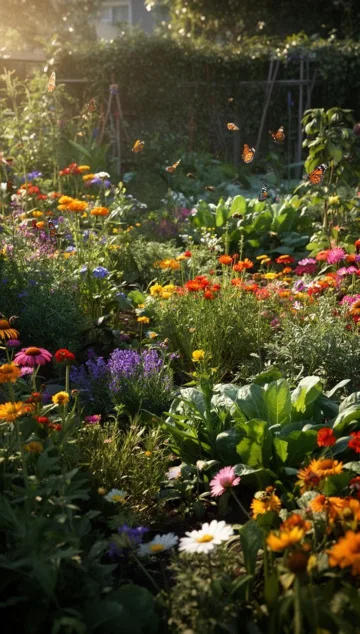
The Art of Letting Go: A Beginner’s Guide to Gardening with Nature
Are you tired of spending your weekends meticulously measuring rows, battling every single weed, and stressing over the perfect spacing of your marigolds? Many of us started gardening as a way to relax, only to find ourselves burdened by the “rules” of traditional landscaping. If you are looking for a way to bring the joy back to your backyard while supporting local pollinators, it is time to embrace the wild beauty of chaos gardening. This approach isn’t just about making a mess; it is a thoughtful, low-stress wildflower gardening method that allows nature to take the lead in creating a vibrant, resilient ecosystem right outside your door.
Understanding the Philosophy of Guided Chaos
The term may sound intimidating, but this style of horticulture is deeply rooted in how nature actually works. In a forest or a meadow, plants don’t grow in straight lines or isolated mulch circles. They intertwine, compete, and cooperate.
Ditching the Ruler for the Handful
Instead of using seed drills or measuring tapes, you use your intuition. You are essentially imitating the way wind and animals disperse seeds. This method encourages biodiversity because it allows different species to find the specific micro-climates in your garden where they thrive best.
Working With, Not Against, Nature
In a traditional landscape, we spend a lot of energy fighting nature. We pull “weeds” that are actually native host plants for butterflies. We water plants that aren’t suited for our soil. By letting go of absolute control, you allow the strongest, most locally adapted plants to win.
How to Start Your First Wild Patch
Getting started is as simple as having a handful of seeds and a little bit of faith. However, “chaos” does not mean “negligence.” You still need to set your garden up for success.
Step-by-Step Instructions
To begin your journey into chaos gardening, follow these simple steps to ensure your “planned mess” actually blooms into a masterpiece. First, select a sunny spot in your yard that has been cleared of aggressive turf grass. You don’t need to till the soil deeply, but scuffing the surface helps seeds make contact with the earth. Next, take a variety of seeds—leftover packets from last year, native perennials, and hardy annuals—and mix them in a large bucket with some dry sand or vermiculite. This acts as a carrier to help you spread the seeds evenly. Reach in, take a handful, and cast the seeds across the soil in a sweeping motion. This wildflower gardening method works best when you walk across the area after sowing to “tuck” the seeds in with your footsteps, then water gently.
Timing Your Chaos
The best time to start is usually in the early spring or late autumn. If you sow in the fall, many native seeds will undergo “stratification,” a natural freezing and thawing process necessary for them to germinate when the weather warms up.
Essential Tips from Experienced Gardeners
Those who have practiced this method for years know that the first year is the hardest because you have to train your eyes to see the beauty in the “untidy.”
Mix Your Seeds Wisely
Don’t just throw anything into the mix. Combine “pioneer” species (fast-growing annuals like Zinnias or Cosmos) with “climax” species (perennials like Echinacea or Milkweed). The annuals provide instant color and shade for the slower-growing perennials.
The “Wait and See” Approach
Before you pull a “weed,” wait until it flowers or develops its first true leaves. You might find that a “weed” you were about to yank is actually a beautiful native wildflower that arrived on the wind.
Common Mistakes to Avoid
While this method is low-maintenance, there are a few pitfalls that can turn your garden into a literal eyesore rather than a beautiful meadow.
Using Invasive Species
Never just buy a “wildflower mix” without checking the ingredients. Some inexpensive mixes contain invasive species that can escape your garden and harm local ecosystems. Always prioritize native regional seeds.
Ignoring Soil Preparation Completely
You don’t need to fertilize, but you do need to remove aggressive lawn grass like Bermuda or Kentucky Bluegrass first. If you don’t, the grass will simply outcompete your flowers before they have a chance to sprout.
Tools and Materials Needed
One of the best parts of this style is that the “equipment” list is very short.
- Mixed Seeds: A blend of native perennials and hardy annuals.
- A Bucket: For mixing seeds with a carrier.
- Sand or Sawdust: To help you see where you have already cast the seeds.
- Garden Rake: A light raking after sowing helps with seed-to-soil contact.
- Watering Wand: To provide a gentle mist for new sprouts.
Seasonal and Climate Considerations
Your geographical location will dictate your seed choice. In arid climates, look for drought-tolerant “xeriscaping” seeds like California Poppies or Gaillardia. In cooler, rainier climates, focus on moisture-loving plants like Forget-Me-Nots and Bee Balm.
The Winter Aesthetics
In the winter, resist the urge to “clean up.” Leaving the dead stalks and seed heads provides vital food for birds and nesting sites for native bees. The stalks catch the frost beautifully, giving your garden a structural, silvery look during the cold months.
Benefits of Embracing the Chaos
Why choose this over a manicured bed? The benefits extend far beyond your own backyard.
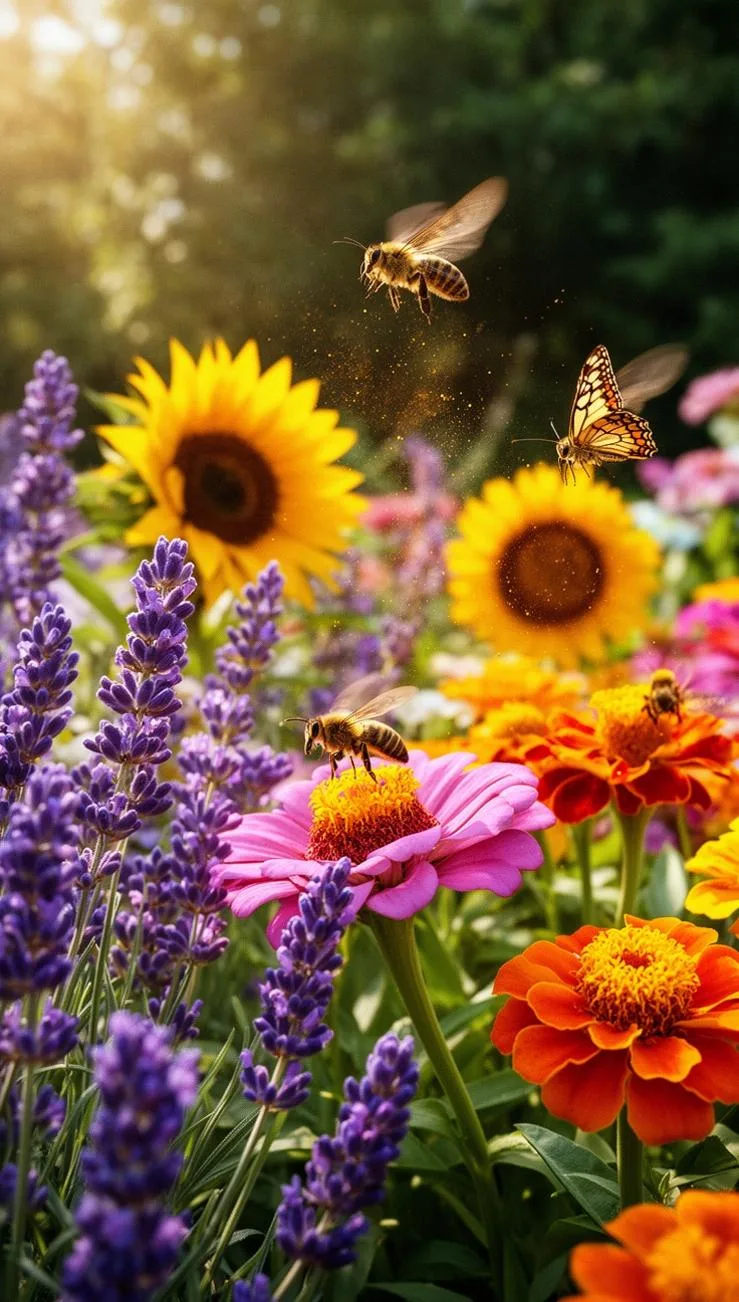
- Pollinator Paradise: By planting a dense variety of flowers, you provide a buffet for bees, butterflies, and hummingbirds.
- Soil Health: Diverse root systems help break up compacted soil and foster a healthy underground fungal network.
- Water Conservation: Once established, these gardens typically require far less water than a traditional lawn or rose garden.
- Mental Well-being: There is a profound sense of relief in knowing that you don’t have to be “perfect.” Watching the garden evolve on its own terms is a great lesson in mindfulness.
Alternative Methods to Consider
If you aren’t ready to turn your entire front yard into a meadow, try these “middle ground” approaches:
The “Island” Method
Create a small, defined circle in the middle of your lawn. Use stones or a brick border to keep the chaos contained. This signals to neighbors that the wild look is intentional.
The Strip Method
Instead of a whole field, plant a thin strip along a fence line or a driveway. This creates a “pollinator corridor” while still maintaining a sense of traditional structure for the rest of your property.
Conclusion
Transitioning to chaos gardening is more than just a change in your planting technique; it is a shift in your relationship with the land. By stepping back and letting the plants decide where they want to grow, you create a dynamic, ever-changing landscape that is as resilient as it is beautiful. This wildflower gardening method saves time, money, and resources while providing a much-needed sanctuary for local wildlife. So, grab a bucket of seeds, find a patch of earth, and start throwing. You might be surprised at how much beauty grows when you finally stop trying to control every bloom.
Frequently Asked Questions
Will this method attract pests like rats or snakes?
While a denser garden provides more cover, it also attracts the predators of pests, such as ladybugs, predatory wasps, and birds. Usually, the ecosystem balances itself out quite quickly.
How do I keep my neighbors from complaining?
The “Cues to Care” strategy works best. Add a decorative birdhouse, a mowed edge, or a small sign that says “Pollinator Habitat.” This helps people understand that the garden is a deliberate choice, not neglect.
Do I ever have to mow a chaos garden?
Most gardeners choose to mow or weed-whack the area once a year in late winter or early spring. This helps clear away old growth to make room for new seedlings to emerge.
Can I do this with vegetables?
Absolutely! “Chaos veg” is a popular trend where you mix seeds like lettuce, radishes, carrots, and herbs. The dense growth can actually help shade the soil and keep the roots of your vegetables cool and moist.
Is it expensive to get started?
It is usually much cheaper than traditional gardening. You can often harvest your own seeds from existing plants or join local seed swaps to get your initial “chaos mix” for free or at a very low cost.