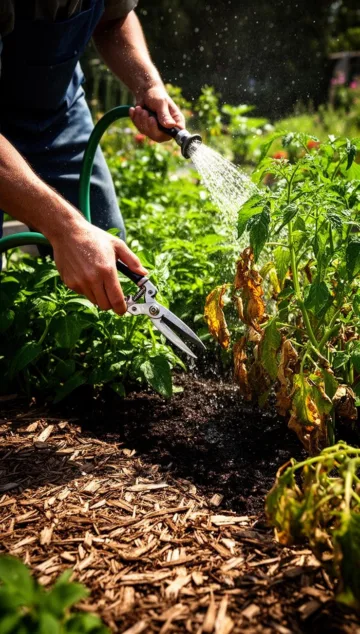
Blog Title: The Ultimate Guide to a Thriving Oasis: Beating the Heat with Smart Summer Maintenance
The Joy and Challenge of the Sun-Drenched Garden
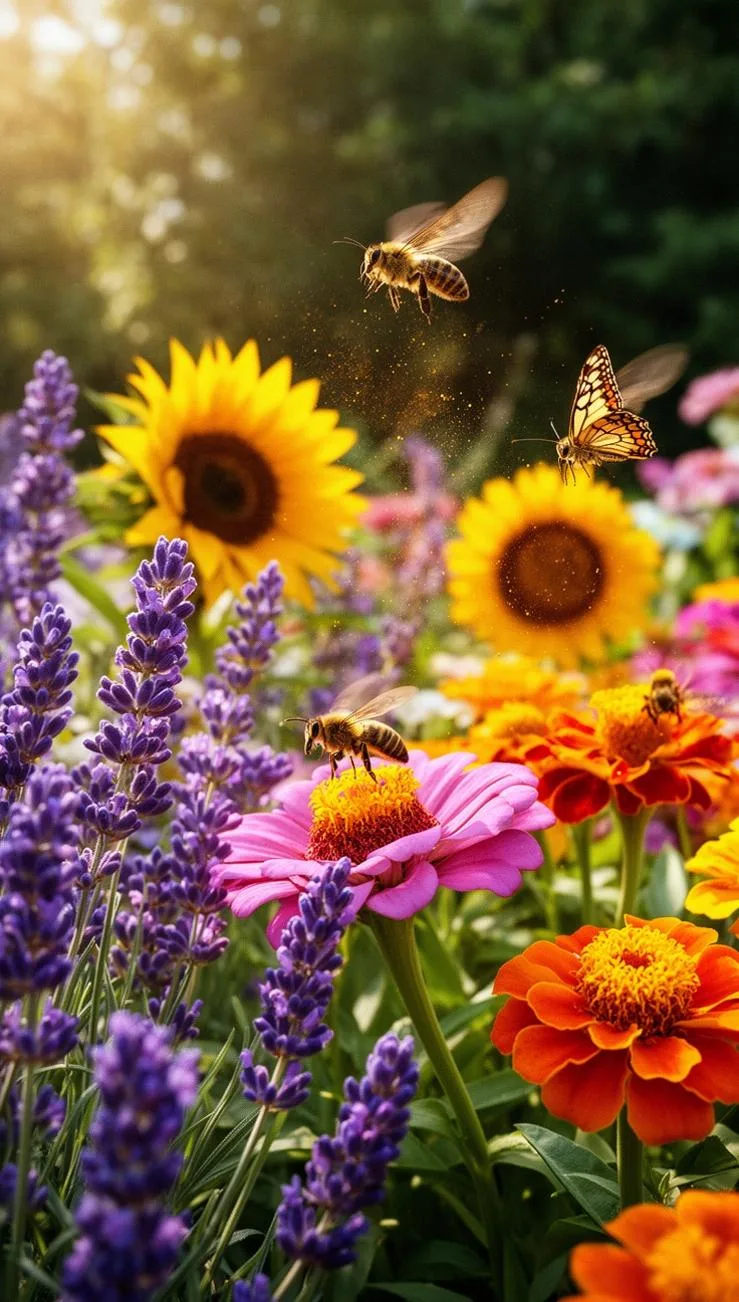
There is nothing quite like the sight of a garden in full bloom during the peak of July. The colors are vivid, the tomatoes are ripening on the vine, and the bees are buzzing through the lavender. However, as the temperature rises, the demand on the gardener increases. Keeping your plants lush and healthy during the hottest months requires more than just a passing glance with a garden hose; it requires a strategic approach to summer garden maintenance. If you ignore the signs of heat stress, your beautiful spring efforts can wilt away in just a few days of intense sun. Mastering garden care summer techniques ensures that your outdoor space remains a sanctuary rather than a scorched patch of earth. In this guide, we will explore how to manage water, soil, and pests to keep your landscape thriving until the first frost of autumn.
The Pillars of Summer Plant Health
Hydration Strategies for High Heat
Watering is the most critical task during the warmer months, but there is an art to it. Shallow watering encourages roots to stay near the surface, where they are more likely to dry out and die. Instead, aim for deep, infrequent watering that reaches the root zone. Early morning is the gold standard for irrigation; it allows the foliage to dry before evening, preventing fungal diseases, and ensures the plant is fully hydrated before the midday sun hits.
The Magic of Mulching
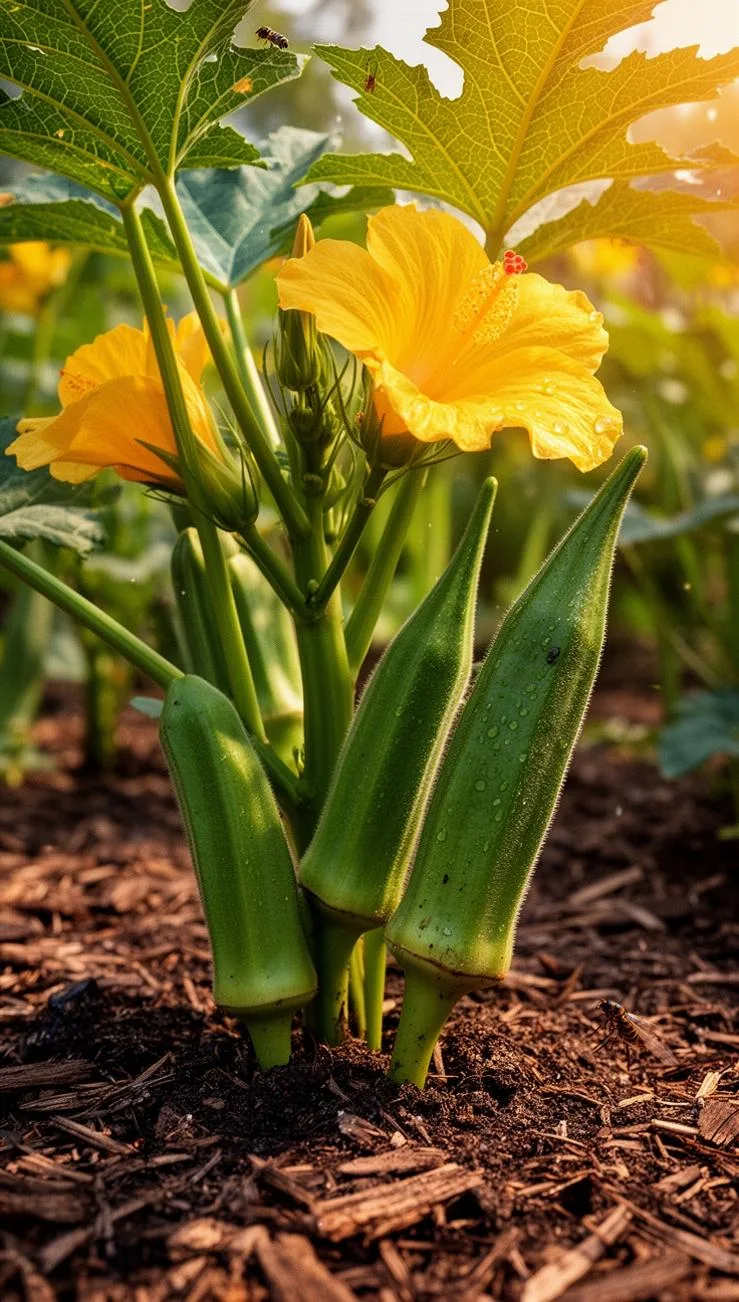
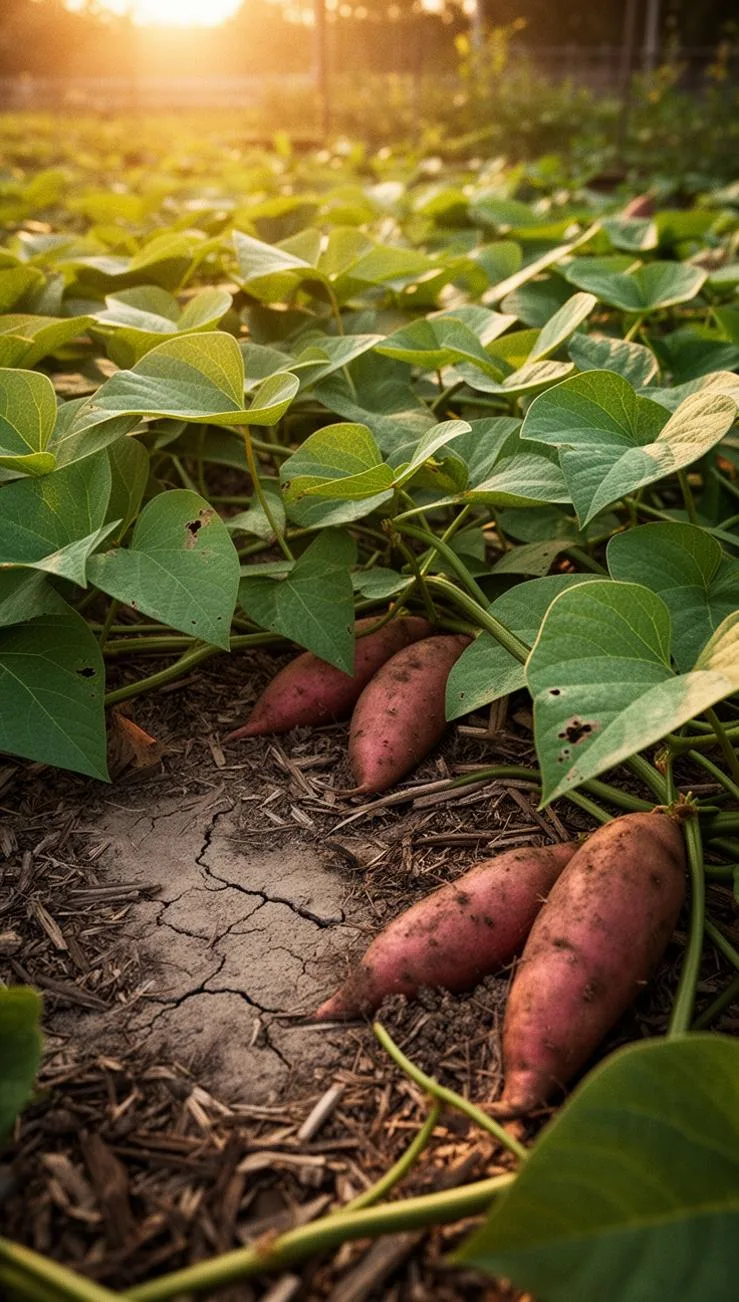
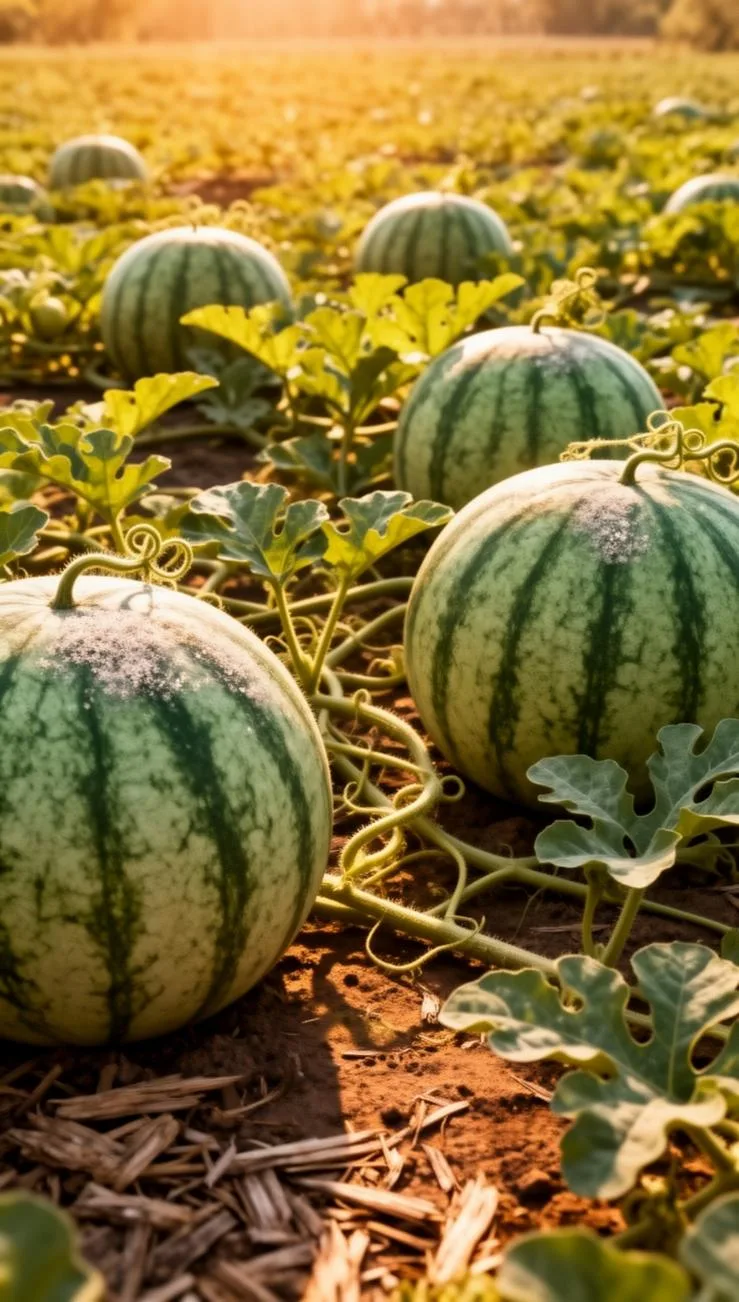
Think of mulch as a protective blanket for your soil. A thick layer of organic matter, such as wood chips, straw, or shredded leaves, serves three purposes: it suppresses weed growth, regulates soil temperature, and significantly reduces moisture evaporation. In the heat of summer, bare soil can reach temperatures high enough to kill beneficial microbial life. Mulch keeps the “underground city” cool and active.
Step-by-Step Instructions for a Resilient Garden
To keep your backyard looking its best, follow this routine for consistent summer garden maintenance. By breaking down your chores into manageable steps, you can ensure nothing gets overlooked during those humid afternoons. Effective garden care summer starts with observation and ends with proactive protection.
Step 1: The Morning Inspection
Walk through your garden every morning with a cup of coffee. Look for drooping leaves, new pest arrivals, or signs of nutrient deficiency. Early detection is the key to preventing a small problem from becoming a garden-wide disaster.
Step 2: Deep Root Watering
Focus your water at the base of the plants rather than spraying the leaves. Use a soaker hose or a drip irrigation system if possible. For container plants, you may need to water twice a day—once in the morning and once in the late afternoon—as pots dry out much faster than the ground.
Step 3: Deadheading and Pruning
Remove spent flowers (the process known as deadheading) from perennials and annuals like marigolds, zinnias, and roses. This prevents the plant from putting energy into seed production and encourages it to produce more blooms. Also, prune away any yellowing or diseased foliage to improve airflow.
Step 4: Managing Nutrition
While spring is the time for heavy nitrogen, summer requires a more balanced approach. Use a diluted liquid seaweed or compost tea to give plants a boost without forcing excessive new growth that might struggle in the heat.
Step 5: Pest and Weed Patrol
Pull weeds as soon as they appear so they don’t compete with your plants for precious water. Check under leaves for aphids, spider mites, or tomato hornworms. A sharp blast of water from the hose is often enough to dislodge most soft-bodied pests.
Tips from Experienced Gardeners
Work with the Shadows
Try to schedule your heavy labor, like digging or transplanting, for overcast days or the late evening. If you must plant something new, provide temporary shade using a cardboard box or a lattice screen for the first few days to prevent transplant shock.
Listen to Your Soil
Stick your finger two inches into the soil. If it feels dry at that depth, it is time to water. If it feels moist, leave it alone. Overwatering can be just as damaging as a drought, as it drowns the roots and leads to rot.
Common Mistakes to Avoid
Over-Pruning in High Heat
It is tempting to “clean up” a plant by cutting it back hard in July. However, leaves act as a built-in sunshade for the plant’s internal structure and the fruit. Heavy pruning exposes sensitive stems to sunscald.
Watering the Foliage at Night
Late-night watering leaves moisture on the leaves for ten to twelve hours. This creates the perfect breeding ground for powdery mildew and “black spot” fungus. If you must water in the evening, be extremely careful to only wet the soil.
Mowing the Grass Too Short
Many homeowners treat their lawn like a golf course, but short grass has shallow roots. Set your mower blade to the highest setting (about 3 to 4 inches). Taller grass shades the soil, keeping the lawn green longer without extra water.
Tools and Materials Needed
To manage the summer workload efficiently, you should have the following items in your garden shed:
- Soaker Hoses: These deliver water directly to the soil, reducing waste.
- Hand Pruners: Keep them sharp for clean cuts during deadheading.
- Quality Mulch: Straw for the vegetable garden and bark nuggets for flower beds.
- Moisture Meter: A handy tool for beginners to check if the soil is truly dry.
- Sturdy Garden Stakes: To support tall plants like dahlias and tomatoes during summer storms.
Seasonal and Climate Considerations
Your approach will vary depending on your specific microclimate. In arid regions, “dry gardening” techniques and choosing Xeric (drought-tolerant) plants like succulents or agave are essential. In humid climates, the focus shifts from water conservation to disease management. In those areas, increasing the spacing between plants is vital to allow heavy summer air to circulate, which keeps fungal spores at bay. Always monitor local weather reports for “Heat Advisories,” as these are the days your garden will need an extra deep soak before the sun hits its peak.
Benefits of Consistent Summer Care
The effort you put in now pays dividends in the fall. Proper maintenance leads to:
- Extended Harvests: Well-hydrated vegetables produce longer and taste better.
- Hardier Perennials: Plants that aren’t stressed in summer are more likely to survive the winter.
- Pest Resistance: Healthy plants have natural defenses; a stressed plant is a magnet for bugs.
- Mental Health: Tending to a thriving garden is a proven stress-reliever and provides a sense of accomplishment.
Alternative Methods: The “Lazy” Summer Garden
If you find the daily grind too much, consider “Permaculture” techniques. This involves planting in guilds where taller plants shade shorter, more sensitive ones. You can also utilize “Ollas”—unglazed clay pots buried in the ground and filled with water. The water slowly seeps through the clay directly to the roots, automating your watering schedule for several days at a time. This low-intervention style is perfect for busy gardeners.
Conclusion
To summarize, the secret to a gorgeous landscape lies in your ability to adapt to the changing environment. By focusing on deep watering, thick mulching, and regular monitoring, you can prevent the mid-season burnout that many hobbyists face. Remember that summer garden maintenance is not just about survival; it is about helping your plants reach their full potential. With a little bit of foresight and consistent garden care summer habits, you can enjoy a lush, productive garden that remains the envy of the neighborhood all the way through to the autumn harvest.
Frequently Asked Questions
1. How often should I water my vegetable garden in the summer?
Most vegetable gardens need about 1 to 1.5 inches of water per week. In extreme heat (above 90°F), you may need to water every other day, or even daily for shallow-rooted crops like lettuce.
2. Why are my plant leaves turning yellow?
Yellow leaves can indicate several things: overwatering, underwatering, or a nitrogen deficiency. Always check the soil moisture first. If the soil is wet but the leaves are yellow, you may be overwatering.
3. Can I plant new flowers in the middle of summer?
Yes, but it requires extra care. You must water the new plants daily for the first week or two to help the roots establish, as the heat makes it difficult for them to take hold.
4. What is the best mulch for a summer garden?
For flower beds, cedar or pine bark is excellent. For vegetable gardens, clean straw or pesticide-free grass clippings work best because they break down and add nutrients to the soil.
5. Is it okay to fertilize during a heatwave?
It is generally best to avoid heavy granular fertilizers when a heatwave is forecast. Fertilizers encourage new growth, which requires more water. Wait until the temperatures drop slightly before feeding your plants again.