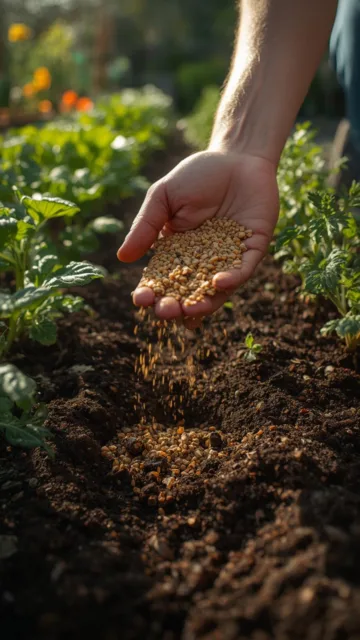
Keep Your Roots Happy: The Ultimate Guide to Feeding Your Plants This Season
Why Mid-Summer Nutrition is the Secret to a Lush Harvest
By the time July and August roll around, your garden is likely in full swing. Your tomatoes are reaching for the sky, your peppers are starting to blush, and your flower beds are a riot of color. However, this peak performance comes at a cost. Plants are heavy feeders, and by mid-season, the initial nutrients in your soil have often been depleted. If you want to avoid that late-August “slump” where plants turn yellow or stop producing, mastering the art of fertilizing summer garden beds is essential.
Think of your plants like marathon runners. They started strong in the spring, but they need a mid-race energy boost to make it to the finish line of the fall harvest. This garden fertilizer guide is designed to help you navigate the delicate balance of feeding your plants during the hottest months of the year without causing burn or stress. With the right timing and the right nutrients, you can extend your growing season and double your yield.
Cracking the Code: N-P-K and Soil Health
Understanding the Numbers on the Bag
Every fertilizer bag features three numbers, such as 10-10-10 or 5-10-5. These represent Nitrogen (N), Phosphorus (P), and Potassium (K).
- Nitrogen (N): Promotes lush, green leaf growth. This is great for kale and spinach but use it sparingly on flowering plants in the summer, or you’ll get all leaves and no fruit.
- Phosphorus (P): The “bloom booster.” It encourages strong root development and flower production.
- Potassium (K): Enhances overall plant health, disease resistance, and cold hardiness.
Organic vs. Synthetic: Which is Best for Summer?
In the heat of summer, organic fertilizers are often the safer bet. They break down slowly, feeding the soil microbes which then feed the plants. Synthetic fertilizers are fast-acting but contain mineral salts that can dehydrate plants if used during a heatwave.
A Step-by-Step Guide to Mid-Season Feeding
To get the best results, you need a methodical approach. Follow these steps for fertilizing summer garden containers and raised beds to ensure your plants stay vibrant and productive. This garden fertilizer guide recommends focusing on “side-dressing” for the best results.
Step 1: Check the Weather Forecast
Never fertilize during a heatwave or when plants are visibly wilted. Fertilizer is essentially plant “food,” and a thirsty plant cannot digest food properly. Wait for a cloudy day or a cooler morning when the temperature is below 85°F (29°C).
Step 2: Hydrate Before You Feed
Water your garden thoroughly the evening before you plan to fertilize. Moist soil helps the nutrients distribute evenly and prevents the concentrated salts in fertilizers from “burning” the tender root hairs of your plants.
Step 3: Clear the Base
Gently pull back any mulch from the base of your plants. You want the fertilizer to make contact with the soil, not sit on top of wood chips or straw. Use a small hand trowel to lightly loosen the top inch of soil, being careful not to disturb shallow roots.
Step 4: Apply and Incorporate
For granular fertilizer, sprinkle the recommended amount in a circle around the plant’s drip line (the area directly under the outermost leaves). Use your trowel to scratch it into the soil. For liquid fertilizers, mix according to the label and pour directly at the root zone, avoiding the foliage to prevent sunscald.
Step 5: Water In and Re-Mulch
Immediately water the area again to “wash” the nutrients down to the roots. Replace your mulch to lock in the moisture and keep the soil temperature stable.
Expert Tips for a Vibrant Garden
The “Weakly, Weekly” Approach for Containers
Potted plants lose nutrients every time you water them because of drainage. Experienced gardeners often use a half-strength liquid fertilizer every 7-10 days rather than a full dose once a month. This provides a steady stream of nutrients without the risk of over-fertilizing.
The Magic of Compost Tea
If you are worried about over-feeding, try compost tea. It’s a gentle, liquid gold that introduces beneficial bacteria and micronutrients without the intensity of concentrated fertilizers. It’s almost impossible to “burn” a plant with high-quality compost tea.
Watch the Foliage
Your plants will tell you what they need. Yellowing lower leaves often mean a nitrogen deficiency, while purple-tinted leaves can signal a lack of phosphorus. However, always ensure the plant is properly watered before diagnosing a nutrient issue, as dehydration can mimic many deficiencies.
Mistakes to Avoid in the Heat
Over-Fertilizing Stressed Plants
If a plant is struggling with pests, disease, or extreme drought, do not add fertilizer. Fertilizer encourages new growth, and a stressed plant doesn’t have the energy to support new stems and leaves. Fix the underlying problem first.
Getting Fertilizer on the Leaves
Most fertilizers are designed for soil application. If granules or high-concentration liquids sit on the leaves under the hot summer sun, they can create “burn spots” that invite disease. Always aim for the soil.
Ignoring the Label Instructions
More is not better. Over-applying nitrogen in the summer can lead to an explosion of soft, succulent growth that is a magnet for aphids and spider mites. Follow the square footage recommendations on the packaging strictly.
Essential Tools for Summer Feeding
To do the job right, you only need a few basic items:
- A calibrated measuring cup: Never guess the amount; precise measurements prevent root damage.
- Hand Trowel: For scratching granular feeds into the soil surface.
- Watering Can with a Rose Attachment: Helps distribute liquid feeds gently.
- Garden Gloves: To protect your skin from the salts and minerals in the fertilizer.
- Soil Moisture Meter: A handy tool to ensure the ground is sufficiently damp before you begin.
Climate and Seasonal Nuances
Gardening in High Humidity
In humid climates, avoid organic fertilizers like fish emulsion if you have a lot of wildlife nearby, as the scent lingers and can attract raccoons or dogs. Additionally, ensure good airflow after liquid feeding to prevent fungal issues like powdery mildew.
Gardening in Arid or Desert Climates
In dry heat, evaporation is your enemy. Only use liquid fertilizers in the very early morning. If using granules, ensure they are buried slightly under the soil and heavily mulched to prevent them from drying out and becoming ineffective.
Why Summer Fertilization Matters
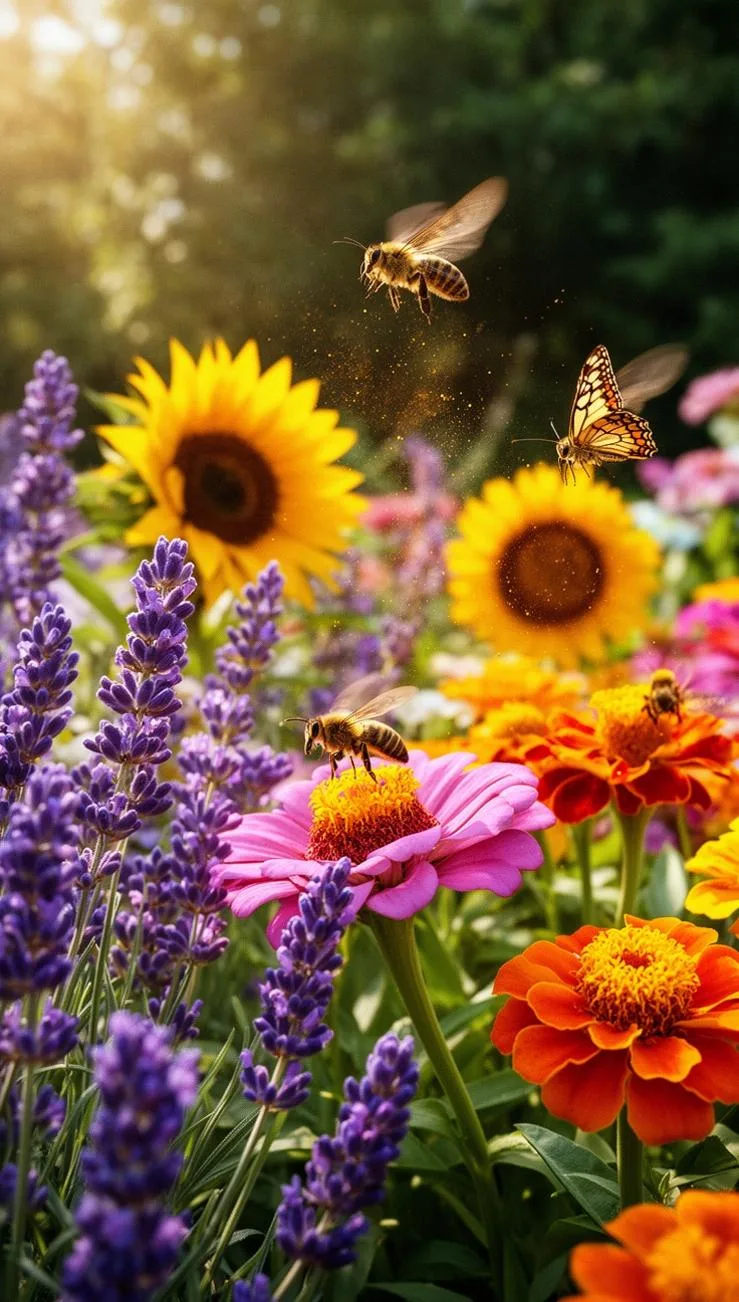
The primary benefit of this practice is sustained productivity. For vegetables like cucumbers and squash, a mid-season boost ensures the plant has the “stamina” to keep producing fruit until the first frost. For ornamental flowers like Petunias and Zinnias, it prevents the leggy, tired look that often sets in by August. Furthermore, well-fed plants have stronger cell walls, making them naturally more resistant to common summer pests and diseases.
Alternative Methods: Beyond the Bag
If you prefer a “low-input” garden, there are several ways to feed your plants without buying commercial fertilizers:
- Chop and Drop: Use nutrient-rich plants like Comfrey or Alfalfa. Chop the leaves and bury them near the roots of your heavy feeders.
- Worm Castings: Adding a handful of vermicompost around your plants provides a gentle, slow-release boost of enzymes and nutrients.
- Mulching with Grass Clippings: If your lawn is untreated, fresh grass clippings are high in nitrogen. Layer them thinly around greens like kale and broccoli.
Recapping Your Summer Strategy
Summer is the time when your garden works the hardest, and a little extra effort on your part goes a long way. By focusing on fertilizing summer garden beds with a gentle touch and plenty of water, you ensure that your landscape remains a thriving oasis. Remember that the goal of this garden fertilizer guide is to support your plants, not overwhelm them. Listen to your soil, watch your leaves, and feed in moderation during the cooler parts of the day. With these steps, you’ll enjoy a bountiful harvest and vibrant blooms all the way through the changing of the leaves.
Frequently Asked Questions
1. Can I fertilize in the middle of a hot afternoon?
It is not recommended. The heat causes plants to enter a semi-dormant state to conserve moisture. Applying fertilizer during peak sun can cause chemical burns to the roots and foliage. Stick to early morning or late evening.
2. How often should I feed my vegetable garden in summer?
For most gardens, a light feeding every 4 to 6 weeks is sufficient. However, heavy feeders like tomatoes, peppers, and corn may benefit from every 3 weeks if you are using organic, slow-release methods.
3. Should I use the same fertilizer for my flowers and my vegetables?
Not necessarily. Vegetables often need more nitrogen for growth, while flowering annuals need higher phosphorus to keep the blooms coming. Check the N-P-K ratio to match the plant’s needs.
4. What happens if I accidentally use too much fertilizer?
If you realize you’ve over-applied, the best remedy is to “flush” the soil with plenty of water. This helps wash the excess salts away from the root zone. Stop fertilizing for at least 6-8 weeks afterward.
5. Is it okay to use “weed and feed” products in my garden?
Absolutely not. “Weed and feed” products are designed for lawns and contain herbicides that will kill your vegetables and flowers. Only use fertilizers specifically labeled for garden or ornamental use.