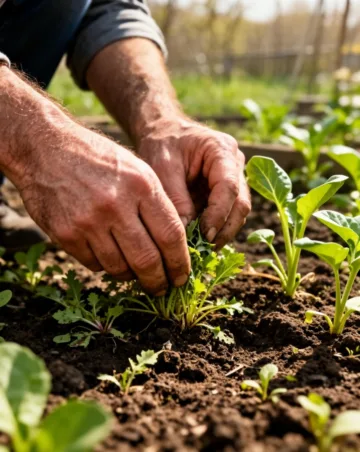
Mastering Your Plot: The Ultimate Guide to Managing Garden Invaders
Every gardener knows the feeling of looking out at a freshly planted flower bed and feeling a sense of peace, only to return forty-eight hours later to find a sea of unwanted green intruders. Whether it is the persistent dandelion or the creeping crabgrass, managing your landscape requires a consistent strategy. Effective garden weed control is not just about pulling things out of the dirt; it is about understanding the lifecycle of your soil and the ecosystem of your backyard. By focusing on spring weed prevention, you can stop the majority of these botanical bullies before they even have a chance to take root and compete with your prized tomatoes or roses.
Understanding Your Opponents: Types of Weeds
Annual Weeds
Annual weeds, such as chickweed or crabgrass, complete their entire life cycle in a single year. They produce thousands of seeds that can sit dormant in your soil for decades. The goal with these is to stop them from flowering.
Perennial Weeds
These are the heavy hitters, like bindweed and thistles. They return year after year from the same root system. Simply pulling the tops off won’t work; you have to remove every inch of the root to keep them from regenerating.
Preparation: The Foundation of a Clean Garden
Soil Health and Texture
Healthy plants are the best defense against weeds. When your soil is nutrient-rich and well-aerated, your garden plants grow thick and lush, naturally shading the ground and preventing weed seeds from germinating.
The Role of Sunlight
Most weed seeds require a direct hit of sunlight to “wake up.” This is why leaving bare soil is an invitation for trouble. Covering the ground—whether with plants or mulch—is your first line of defense.
Step-by-Step Instructions for a Weed-Free Season
Success in the garden is all about timing and technique. Follow these steps to establish a long-term plan for garden weed control that minimizes your workload over time. Starting early is the golden rule, which is why spring weed prevention remains the most vital step in any horticultural calendar.
Step 1: Clean Up the Debris
Before the growing season starts, clear away dead leaves and old stalks. This exposes any early-emerging weeds that may have hitched a ride through the winter.
Step 2: Cultivate Gently
Lightly scuffle the surface of the soil with a hoe. Avoid deep tilling, as this brings buried weed seeds to the surface where they can get the sunlight they need to grow.
Step 3: Apply a Pre-emergent Barrier
If you have struggled with heavy weed pressure in the past, consider an organic pre-emergent like corn gluten meal. This prevents seeds from establishing roots without harming your existing perennials.
Step 4: Plant Intensively
Space your plants so that when they reach maturity, their leaves just touch. This creates a “living mulch” that crowds out invaders.
Step 5: Mulch Immediately
Apply a 2-to-3-inch layer of organic mulch (like wood chips or straw) over the soil surface. This smothers existing seeds and keeps the soil cool and moist.
Tips from Experienced Gardeners
The “Offensive” Strategy
Don’t wait for the garden to look messy. Spend ten minutes every morning with your coffee walking through the rows. If you pull three weeds a day, you never have to spend eight hours pulling three hundred on a Saturday.
The Power of Boiling Water
For weeds growing in the cracks of your driveway or sidewalk, skip the chemicals. Pouring a kettle of boiling water over them will cook the plant cells and kill them instantly.
Identifying “Indicator” Weeds
Listen to what your weeds are telling you. Moss usually means your soil is too acidic or too wet. Dandelions often signal compacted soil. By fixing the soil issue, you make it harder for those specific weeds to thrive.
Common Mistakes to Avoid
Leaving the Roots Behind
If you snap off a dandelion at the surface, the taproot will simply grow two new heads. Always use a weeding tool to get deep into the earth.
Watering the Weeds
Using a broadcast sprinkler waters everything—including the weed seeds. Use drip irrigation or a soaker hose to deliver water only to the base of the plants you actually want to grow.
Composting Seed Heads
Never put weeds that have already gone to seed into your home compost pile. Most backyard piles don’t get hot enough to kill the seeds, meaning you’ll just be spreading the problem back into your garden next year.
Tools and Materials Needed
Essential Hand Tools
- Hori-Hori Knife: A multipurpose Japanese tool perfect for digging out deep roots.
- CobraHead Weeder: Great for precision weeding in tight spaces.
- Scuffle Hoe: Best for “shaving” young weeds off at the soil level.
Barrier Materials
- Cardboard or Newspaper: Use these as a base layer under mulch to create a biodegradable weed barrier.
- Wood Chips or Bark: Ideal for permanent landscape beds.
- Straw or Salt Hay: Best for vegetable gardens.
Seasonal and Climate Considerations
The Rainy Season
Weeds grow at double speed after a heavy rain. However, this is also the best time to pull them, as the soil is loose and the roots slip out easily.
Summer Heat
In high heat, avoid heavy tilling. This dries out the soil and stresses your plants, giving hardy weeds a competitive advantage. Focus on maintaining a thick mulch layer to regulate soil temperature.
Benefits of Proactive Weed Management
Taking the time to manage your garden properly results in more than just an aesthetic boost. When weeds are removed, your vegetable plants don’t have to fight for nitrogen, phosphorus, or water. This leads to higher yields and larger, more vibrant blooms. Furthermore, many pests and diseases hide in tall weeds, so a clean garden is often a healthier, pest-free garden.
Alternative Methods: Beyond Hand Pulling
Flame Weeding
Using a propane torch to “sear” weeds is highly effective for gravel paths. You don’t need to turn them to ash; just enough heat to wilt the leaves will kill the plant.
Vinegar Solutions
Horticultural vinegar (which is stronger than kitchen vinegar) can be used as a natural contact herbicide. Use it on sunny days for the best results, but be careful—it will kill your flowers just as easily as it kills weeds.
Cover Cropping
In the off-season, plant “green manure” like clover or winter rye. These plants cover the soil, prevent erosion, and leave no room for weeds to settle in.
Conclusion
Maintaining a beautiful landscape is a journey of consistency and observation. By implementing a solid routine for garden weed control, you ensure that your gardening hours are spent enjoying your harvest rather than fighting back the wilderness. Remember that the secret to success lies in spring weed prevention; a little effort in March and April saves a mountain of work in July. Stay ahead of the growth, protect your soil, and your garden will reward you with beauty and abundance all season long.
Frequently Asked Questions
What is the best mulch for suppressing weeds?
For flower beds, shredded hardwood mulch is excellent because it knits together to form a barrier. For vegetable gardens, clean straw or dried grass clippings (from an untreated lawn) work best as they break down and nourish the soil.
Is landscape fabric a good idea?
While it works temporarily, landscape fabric often causes problems long-term. Silt settles on top of the fabric, allowing weeds to grow their roots right through it, making them even harder to pull. Organic barriers like cardboard are usually better.
Can I use salt to kill weeds?
Salt will kill weeds, but it also ruins the soil for future plants and can damage concrete. It is best to avoid salt unless you are treating an area where you never want anything to grow again.
How often should I weed my garden?
A quick “patrol” once or twice a week is usually sufficient. Weekly maintenance prevents weeds from reaching the flowering stage, which is the most critical part of breaking the weed cycle.
Does mowing height affect weeds?
Yes! In your lawn, keeping your grass a bit taller (around 3 to 4 inches) shades the soil and prevents weed seeds from germinating. A “scalped” lawn is much more likely to be overtaken by crabgrass and dandelions.