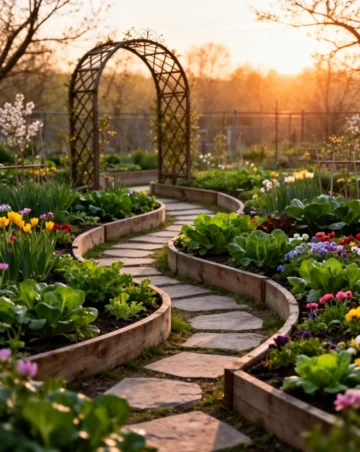
Revitalize Your Outdoor Space: Fresh Inspiration for the New Season
Awakening Your Outdoor Sanctuary This Season
As the frost retreats and the first green shoots of crocuses peek through the soil, every gardener feels that familiar itch to grab a trowel. Spring is the ultimate season of rebirth, providing a blank canvas to reimagine your backyard. Whether you have a sprawling lawn or a tiny balcony, finding the right garden design ideas spring can transform a muddy patch into a vibrant retreat. Planning early allows you to maximize your blooming window and ensures your plants have the best start possible. A well-thought-out spring garden layout is more than just a aesthetic choice; it is the blueprint for a healthy, thriving ecosystem that will bring you joy until the first autumn chill.
Essential Concepts for a Modern Spring Garden
Embracing Verticality
If you are short on space, look up. Vertical gardening is a major trend this year. Using trellises for sweet peas or climbing roses adds height and drama to your yard. You can also use “living walls” made of felt pockets to grow herbs and small succulents. This adds a lush, green backdrop to any patio area without taking up valuable floor space.
The Power of Layered Planting
Think of your garden beds like a theater stage. Use “drifts” of color by planting in odd numbers (groups of 3, 5, or 7) to create a natural look. Place taller perennials like Larkspur and Foxgloves at the back, followed by mid-height Tulips and Daffodils, and finish with low-growing groundcovers like Creeping Phlox or Sweet Alyssum at the front edge.
Choosing Your Spring Color Palette
Pastel Perfection
Soft pinks, baby blues, and pale yellows are the hallmarks of a classic spring aesthetic. These colors evoke a sense of calm and work beautifully in cottage-style gardens. Consider planting “Angelique” tulips or “Forget-Me-Nots” for a romantic, airy feel.
Bold and Bright Vibrancy
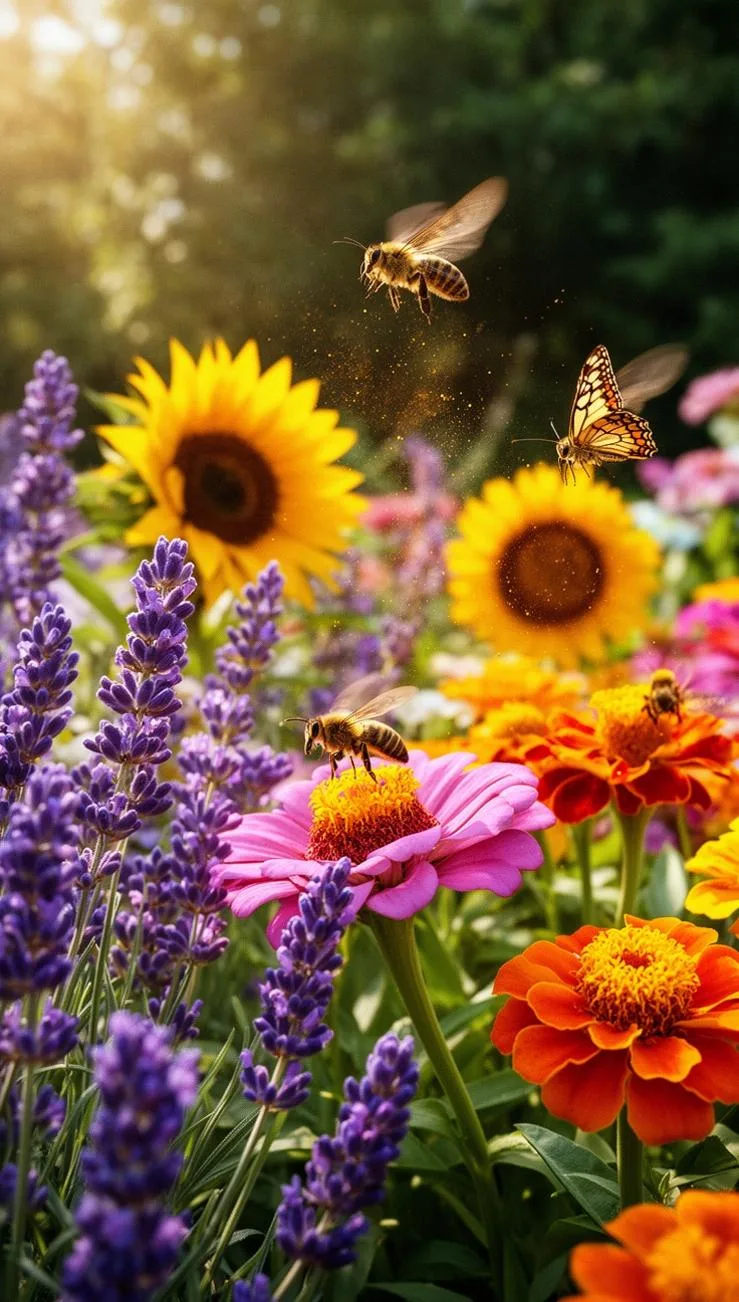
If you prefer a high-energy space, look for saturated jewel tones. Deep purple Alliums, fiery red Poppies, and bright orange ranunculus create a striking contrast against the fresh green grass. This approach attracts pollinators like bees and butterflies, who are naturally drawn to bright hues.
Step-by-Step Instructions for Your New Design
Ready to get your hands dirty? Follow this practical guide to implementing your fresh vision for the year.
1. Assessment and Cleanup
Before you plant, clear away lingering debris. Remove dead leaves, prune back shrubs that bloom on “new wood,” and edge your paths. This creates a clean frame for your new designs.
2. Designing Your Footprint
Take a piece of graph paper and sketch your spring garden layout. Note where the sun hits at different times of the day. This is the stage where you decide on the location of permanent structures like benches, birdbaths, or raised beds. Having a plan on paper prevents expensive mistakes later.
3. Soil Preparation
Success starts underground. Work in 2-3 inches of organic compost or well-rotted manure into your existing soil. This improves drainage in clay soil and water retention in sandy soil, providing the nutrients your new plants crave.
4. Planting for Success
Dig holes twice as wide as the root ball of your plants but no deeper. When moving these garden design ideas spring from your head to the soil, pay close attention to spacing instructions on plant tags. It is tempting to crowd plants for an immediate look, but they need room to breathe and grow.
5. Mulching and Watering
Once everything is in the ground, apply a layer of wood chips or straw to keep moisture in and weeds out. Give everything a deep, gentle watering to settle the soil around the roots.
Tips from Experienced Gardeners
- Succession Planting: Don’t plant everything at once. Stagger your bulb planting by a week or two so that as one group finishes blooming, the next is just beginning to open.
- The “Magic Hour” Check: View your garden at sunset. White and pale yellow flowers “glow” in the twilight, making them perfect for areas where you sit in the evening.
- Work with Nature: If you have a soggy spot, don’t fight it with dry-loving plants. Install a “Rain Garden” using moisture-loving species like Marsh Marigold or Japanese Iris.
Common Mistakes to Avoid
- Planting Too Early: It is tempting to buy everything the first warm weekend in April. However, a late frost can kill tender annuals. Always check your local frost dates.
- Neglecting Maintenance Paths: Ensure you leave enough space to walk through your garden to weed and harvest without stepping on your plants.
- Overlooking Foliage: Flowers come and go, but leaves remain. Choose plants with interesting leaf textures, such as Hostas or Heucheras, to keep the garden looking good when the blooms fade.
Tools and Materials Needed
The Basics
- Sturdy garden spade and hand trowel.
- Ergonomic bypass pruners for clean cuts.
- Measuring tape (crucial for laying out beds).
- Garden hose with a soft-mist attachment.
The Extras
- Garden twine and bamboo stakes for support.
- High-quality organic compost.
- Biodegradable pots for starting seeds.
- Kneeling pad for comfort during long planting sessions.
Seasonal and Climate Considerations
Your geographic location plays a huge role in your spring success. Those in warmer climates (Zones 8-10) may already see full blooms in March, while those in Northern climates (Zones 3-5) might still be dealing with frozen ground. If you live in a windy area, avoid tall, top-heavy flowers unless they are well-staked. If your spring is notoriously rainy, ensure your raised beds have excellent drainage to prevent root rot.
Benefits of Spring Garden Planning
Engaging in garden design is not just about looks; it is a boost for your mental and physical health. Digging and planting provide low-impact exercise, while the act of nurturing a plant reduces stress hormones. Furthermore, a well-landscaped home can increase property value by up to 15%. Most importantly, you are providing a vital food source for early-season pollinators who have just woken up from winter dormancy.
Alternative Methods: The No-Dig Approach
If you want to save your back, consider “No-Dig” gardening. Instead of tilling the earth, you layer cardboard over your grass or weeds and pile compost and soil on top. You plant directly into this layer. Over time, the cardboard breaks down, and the worms do the “tilling” for you. This preserves the soil structure and makes the spring garden layout process much faster and more sustainable.
Cultivating Your Personal Paradise
Spring is the perfect time to experiment and express your creativity. By focusing on a solid spring garden layout, you set the stage for a year of beauty and abundance. Whether you choose to follow a strict color scheme or create a wild, pollinator-friendly meadow, the most important thing is to get outside and enjoy the process. Implementing these garden design ideas spring will help you create a space that reflects your personality and provides a sanctuary for both you and the local wildlife. Happy planting!
Frequently Asked Questions
How do I start a garden from scratch in the spring?
Start small. Choose a sun-drenched spot, clear the grass, add compost, and begin with “easy” plants like sunflowers, pansies, or marigolds to build your confidence.
What flowers are the easiest to grow for beginners?
Zinnias, Marigolds, and Nasturtiums are incredibly hardy. For bulbs, Daffodils are excellent because they are “deer-resistant” and come back year after year.
How often should I water my new spring garden?
Newly planted flowers need more frequent watering—usually every day or every other day—until their roots are established. Once they are settled, an inch of water per week is standard.
When is the best time to prune spring-flowering shrubs?
Wait until after they finish blooming. If you prune Lilacs or Forsythia in late winter, you will accidentally cut off this year’s flower buds.
How can I keep pests away from my new plants?
Try “companion planting.” Marigolds have a scent that deters many pests, while planting Alliums (onions/garlic family) can help keep aphids and even rabbits at bay.