The Art of the Tiny Eden: Transforming Limited Footprints into Lush Escapes
Do you look out at your compact backyard, balcony, or patio and see a challenge rather than an opportunity? You aren’t alone. Many homeowners feel that a lack of acreage means they have to compromise on their dreams of a flower-filled sanctuary or a productive vegetable patch. However, some of the most enchanting gardens in the world are those that fit into tight spaces, forcing creativity to bloom where sprawling lawns cannot.
Whether you are working with a narrow side yard or a concrete balcony, the right small garden layout ideas can turn a cramped area into a multi-functional outdoor room. The secret lies in understanding scale, choosing the right plants, and implementing smart garden planning tips that maximize every square inch. By focusing on verticality, cohesive color palettes, and clever zoning, you can create a space that feels expansive and inviting, regardless of its actual dimensions.
Maximizing Potential with Smart Layout Strategies
The Power of “Zoning” in Tight Spaces
In a large garden, you have room to wander. In a small garden, you need to define the purpose of every corner. Zoning involves dividing your space into specific “rooms”—even if those rooms are only separated by a change in paving or a tall potted plant. For example, you might have a corner for a bistro set (your dining room) and a raised bed for herbs (your kitchen garden). By clearly defining these areas, the garden feels organized and intentional rather than cluttered.
Going Vertical: The Sky Is the Limit
When you run out of floor space, look up. Vertical gardening is a game-changer for small footprints. Trellises, wall-mounted planters, and “living walls” allow you to grow a lush canopy of green without taking up valuable walking space. Climbing roses, clematis, or even pole beans can provide a sense of enclosure and privacy while adding layers of texture to your layout.
Using Perspective to Cheat the Eye
You can use visual tricks to make a small garden seem longer or wider. Placing larger, bold-foliaged plants near the entrance and finer-textured plants at the back creates an illusion of depth. Similarly, a path that narrows slightly as it disappears behind a shrub or around a corner suggests that there is more to explore beyond what is immediately visible.
Step-by-Step Instructions: Planning Your Small Garden
Creating a beautiful layout doesn’t happen by accident; it requires a systematic approach to ensure the space remains functional and aesthetically pleasing. Follow these steps to implement effective small garden layout ideas while keeping essential garden planning tips in mind.
Step 1: Measurement and Sunlight Assessment
Before buying a single plant, grab a tape measure. Sketch the dimensions of your space on graph paper. Crucially, track the sunlight for a full day. Understanding where the “hot spots” are versus the deep shade will dictate which plants will thrive and where your seating should be placed for comfort.
Step 2: Define Your Must-Haves
List your priorities. Do you want a place to drink coffee? Space for a grill? A cutting garden for fresh flowers? In a small space, you can’t have everything, so choose two or three main functions. This focus prevents the layout from feeling overcrowded and ensures you actually use the space for what you enjoy most.
Step 3: Choose Your Hardscaping
Hardscaping—the non-living elements like patios, decks, and paths—acts as the bones of your garden. For small areas, use large-format pavers to reduce the number of grout lines, which makes a floor area look less “busy” and more expansive. Ensure your paths are at least two feet wide so you can move comfortably through the space.
Step 4: Scale the Planting Plan
Select plants that fit the scale of your space. Avoid massive trees that will eventually overwhelm the area. Instead, look for “dwarf” varieties or columnar trees that grow up rather than out. Layer your plants by height, placing the tallest at the back or center, and use groundcovers to soften the edges of your paving.
Step 5: Add the Finishing Touches
Incorporate mirrors to reflect light and greenery, making the garden feel twice its size. Use high-quality outdoor lighting to extend the usability of the garden into the evening hours, which effectively adds a “night garden” dimension to your layout.
Tips from Experienced Gardeners
- Keep it Simple: A limited color palette (two or three colors) makes a small garden look more cohesive and less chaotic.
- Focus on Foliage: Flowers come and go, but leaves are there all season. Choose plants with interesting leaf shapes and colors, like hostas or heucheras, to maintain visual interest.
- Use Containers Wisely: Large pots look better than dozens of small ones. A few oversized containers create a bold statement and are easier to water than many tiny pots.
- Invest in Multi-functional Furniture: Look for benches that double as storage boxes for gardening tools or soil.
Common Mistakes to Avoid
- The “Clutter” Trap: Avoid filling every inch with garden gnomes, ornaments, and tiny pots. Negative space (empty space) is vital for the eye to rest and makes the garden feel larger.
- Ignoring the Vertical Space: Forgetting to use fences or walls is a wasted opportunity for more greenery.
- Wrong Plant, Wrong Place: Buying a beautiful shrub without checking its mature size. A plant that grows too large will eventually choke out the rest of your layout.
- Over-Complicating the Path: A path that zig-zags too much in a tiny space can feel cramped and frustrating to navigate.
Tools or Materials Needed
To execute your layout effectively, you will likely need the following:
- Graph paper and a long measuring tape for the initial design.
- Landscape fabric to suppress weeds under paths.
- High-quality potting mix if you are using containers or raised beds.
- Lightweight trellis panels for vertical interest.
- Ergonomic hand tools (trowel, pruners, and a hand rake).
- Drip irrigation kit (optional but highly recommended for containers).
Seasonal or Climate Considerations
A small garden is highly influenced by its microclimate. Because small yards are often surrounded by walls or fences, they can become “heat traps” in the summer or “frost pockets” in the winter.
Summer Heat
In hot climates, use light-colored paving to reflect heat and ensure you have a source of shade, such as a localized pergola or a large umbrella, to prevent your plants from scorching.
Winter Interest
Since your garden is visible year-round, include “evergreens” and plants with interesting bark (like Red Twig Dogwood) so the layout doesn’t look barren during the winter months.
Benefits of Small-Space Gardening
Gardening in a limited area has surprising advantages over maintaining a large estate:
- Lower Maintenance: Less weeding, less mowing, and less mulching mean you spend more time enjoying the space and less time working in it.
- Budget-Friendly: You need fewer plants and less material to create a high-end look.
- Intimacy: Small gardens naturally feel cozy and private, making them perfect for relaxation and meditation.
- Focus: You can give every single plant individual attention, leading to a much healthier and more curated collection.
Alternative Methods: Beyond the Traditional Bed
If a traditional ground-level garden isn’t possible, consider these modern alternatives:
Hydroponics and Aquaponics
For those with only a balcony, small hydroponic towers allow you to grow dozens of leafy greens and herbs using only water and nutrients, taking up almost zero floor space.
The “Square Foot Gardening” Method
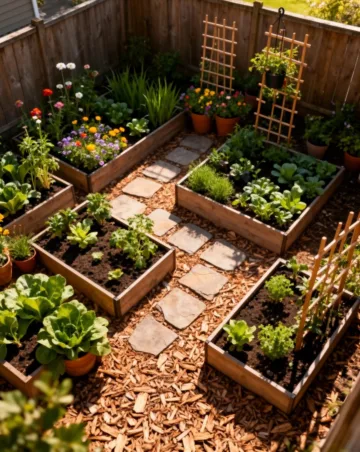
This is perfect for small raised beds. By dividing your bed into one-foot squares, you can maximize edible yields and ensure that no space is wasted on unplanted soil.
Conclusion
Transforming a modest outdoor area into a functional and beautiful sanctuary is one of the most rewarding projects a gardener can undertake. By embracing small garden layout ideas such as vertical planting, thoughtful zoning, and clever use of perspective, you can overcome the physical limits of your property. Remember that success starts with the planning phase; applying consistent garden planning tips ensures that your design remains sustainable and enjoyable for years to come. No matter the size of your plot, your vision of a personal paradise is entirely within reach.
Frequently Asked Questions
What are the best plants for a very small garden?
Opt for columnar evergreens (like Sky Pencil Holly), dwarf fruit trees, and perennial flowers that don’t spread aggressively, such as Lavender, Salvia, or Heuchera.
How can I make my small garden look bigger?
Use large floor tiles, paint your fences a light color to reflect light, and use mirrors to create the illusion of a portal to another part of the garden.
Is it better to use raised beds or pots in a small space?
Raised beds utilize wood or stone to create a permanent structure, while pots offer flexibility. If you rent, pots are better. If you own, raised beds allow for better root growth and moisture retention.
How do I provide privacy in a small garden without building a wall?
Tall, slender plants like bamboo (in pots) or a trellis covered in fast-growing vines like Star Jasmine provide a “green screen” that blocks views without feeling heavy or oppressive.
Can I grow vegetables in a small layout?
Absolutely. Many vegetables, seperti “Patio” tomatoes or “Fairytale” eggplants, are specifically bred for small containers. You can also mix edibles with ornamentals—this is known as “edible landscaping.”