Keep Your Garden Thriving: The Ultimate Guide to Protecting Your Plants This Season
There is nothing quite like the sight of a lush, vibrant backyard in the peak of July. However, as the temperatures rise, so does the activity of unwanted visitors. For many enthusiasts, successfully managing summer pest control is the difference between a bountiful harvest and a garden full of skeletons. While it can feel like an uphill battle against nature, mastering the art of garden pest prevention doesn’t have to mean reaching for harsh chemicals. By understanding the lifecycle of common bugs and creating a balanced ecosystem, you can keep your vegetables and flowers flourishing even during the hottest months of the year.
Understanding the Summer Pest Surge
Why Pests Thrive in the Heat
Most garden insects are cold-blooded, meaning their metabolic rates increase as the weather warms up. In the summer, pests like aphids, spider mites, and Japanese beetles reproduce at an incredible speed. What starts as a single bug on a tomato leaf can become a full-blown infestation in just a matter of days. This rapid growth cycle is why daily observation is your best defense.
Identifying Friend vs. Foe
Not everything that crawls in your garden is an enemy. In fact, many insects are your biggest allies. Ladybugs, lacewings, and predatory wasps spend their days consuming the very pests you are trying to eliminate. Before you take action, ensure you aren’t accidentally harming the “good guys” who provide free labor in your garden beds.
Common Summer Pests to Watch Out For
The Persistent Aphids
These tiny, pear-shaped insects cluster on the undersides of leaves and sucking the life out of stems. They excrete a sticky substance called honeydew, which can lead to sooty mold. They are particularly fond of new, tender growth on roses, peppers, and greens.
The Destructive Japanese Beetle
Recognizable by their metallic green bodies, these beetles can skeletonize a plant’s leaves in hours. They are social pests, meaning they release pheromones that call their friends to the “party” once they find a plant they like.
Sneaky Spider Mites
If you notice fine webbing between leaves and a stippled, yellowed appearance on foliage, you likely have spider mites. They thrive in hot, dry conditions and are common on indoor plants moved outside and heat-sensitive vegetables like cucumbers.
Step-by-Step Instructions for a Pest-Free Garden
Managing your garden requires a systematic approach. Follow these steps to implement effective summer pest control while ensuring long-term garden pest prevention through sustainable habits:
Step 1: The Morning Inspection
Get into the habit of walking through your garden every morning with a cup of coffee. Look under leaves and along stems. Early detection is crucial. If you find a few hornworms or beetles, you can simply hand-pick them and drop them into a bucket of soapy water before they multiply.
Step 2: Blast with Water
For smaller soft-bodied insects like aphids and mites, a strong stream of water from your garden hose is often enough to dislocate them. Most of these pests are too fragile to climb back up before predators find them on the ground.
Step 3: Apply Organic Barriers
If the physical removal isn’t enough, use Neem oil or insecticidal soap. These are organic options that break down quickly and are less harmful to the environment. Always apply these in the late evening once the sun has gone down to avoid burning the leaves and to ensure you don’t hit active pollinators like bees.
Step 4: Use Physical Row Covers
Protect vulnerable crops like kale and cabbage from moths by using lightweight mesh row covers. These allow sunlight and water to reach the plant but prevent insects from laying eggs on the leaves.
Tips from Experienced Gardeners
Interplanting and Polyculture
Veteran gardeners know that monocultures (planting only one type of crop) are a buffet for pests. By mixing your vegetables with aromatic herbs like basil, mint, and cilantro, you confuse the pests’ sensory organs, making it harder for them to find your prize tomatoes.
The Power of Trap Cropping
Try planting “sacrificial” plants. For example, nasturtiums are a favorite of aphids. By planting them a few feet away from your main vegetable patch, the aphids will flock to the flowers, leaving your peppers alone.
Common Mistakes to Avoid
Over-Fertilizing with Nitrogen
While we all want big plants, too much nitrogen creates a flush of soft, succulent new growth. This “soft” growth is like a dinner bell for sucking insects. Use slow-release organic fertilizers to ensure steady, strong growth rather than weak, fast growth.
Watering at the Wrong Time
Watering the foliage of your plants in the evening can lead to fungal issues, which actually attract certain pests. Always water at the base of the plant in the morning so the sun can dry any accidental splashes on the leaves.
Tools and Materials Needed
Essential Pest Management Kit
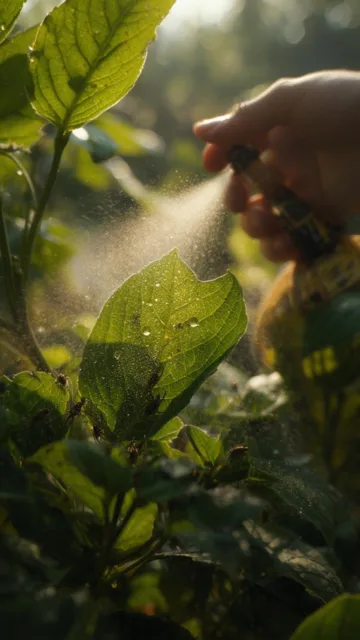
- Handheld Spritzer: For applying soaps or oils directly to infested areas.
- Soft-Bristled Brush: Useful for gently brushing eggs off the undersides of leaves.
- Yellow Sticky Traps: These help monitor pest levels (especially fungus gnats and whiteflies) rather than acting as a total cure.
- Neem Oil: A multipurpose organic fungicide, insecticide, and miticide.
- Fine Mesh Netting: The best physical defense for leafy greens.
Seasonal and Climate Considerations
Dealing with Humidity
In humid climates, air circulation is your best friend. Prune the lower leaves of your tomato plants to allow wind to pass through. This reduces the damp environments where pests like slugs and snails love to hide during the day.
Managing Drought Stress
Plants that are thirsty are stressed. A stressed plant releases chemicals that signal its weakness to insects. During a summer heatwave, keeping your soil consistently moist with mulch will make your plants more resilient against attacks.
Benefits of Organic Pest Management
Protecting the Food Web
When you choose organic methods over broad-spectrum chemicals, you protect the birds, toads, and beneficial insects that live in your yard. Over time, your garden creates a self-regulating balance where pests are kept in check naturally.
Healthier Harvests
The most obvious benefit is peace of mind. Knowing that your summer salads and backyard berries are free from synthetic pesticide residue makes gardening much more rewarding for your family’s health.
Alternative Methods
Biological Controls
You can actually purchase “good bugs” to release in your garden. Buying a container of ladybugs or predatory nematodes (microscopic worms that kill soil-dwelling larvae) can give your garden the boost it needs to overcome a major breakout.
Companion Planting
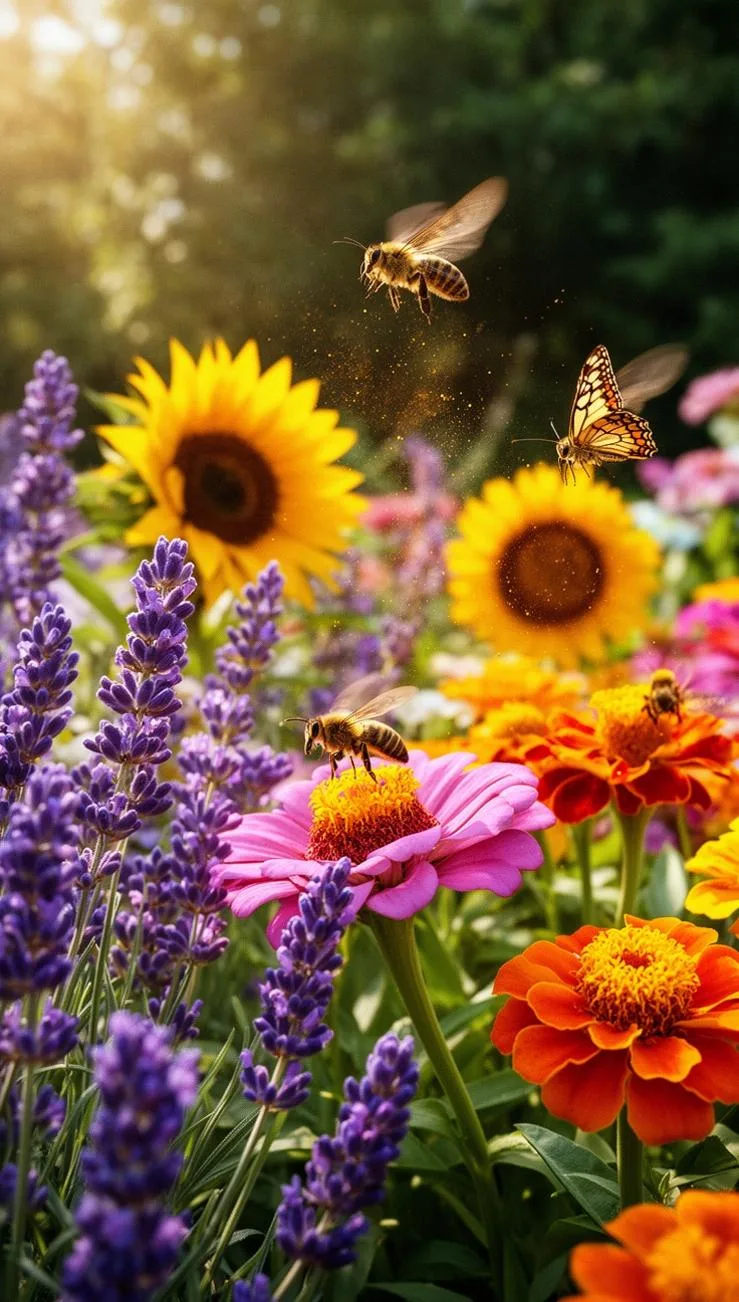
Plants like Marigolds and Calendula have scents that many pests find repulsive. Marigolds specifically secrete a chemical from their roots that can deter nematodes in the soil, providing a hidden layer of protection beneath the surface.
Conclusion
Securing your backyard oasis requires a blend of vigilance and nature-friendly practices. By focusing on summer pest control through daily observation and organic interventions, you ensure that your hard work doesn’t go to waste. Remember that garden pest prevention is an ongoing process of building a healthy, biodiverse environment rather than just reacting to problems as they arise. With the right tools and a bit of patience, you can enjoy a bug-free bounty and a gorgeous landscape all summer long. Happy gardening!
Frequently Asked Questions
1. Will insecticidal soap harm my bees?
If sprayed directly on a bee, yes. However, once the soap dries, it is no longer toxic. Always spray in the early morning or late evening when bees are not active to keep them safe.
2. Is dish soap the same as insecticidal soap?
Not exactly. Many modern dish soaps are actually detergents that can strip the protective waxy coating off your plant’s leaves. It is better to use a specifically formulated insecticidal soap meant for horticultural use.
3. How often should I apply Neem oil?
For an active infestation, once every 7 to 10 days is standard. If it rains heavily, you will need to reapply, as the oil will wash off the foliage.
4. Can I use coffee grounds to repel pests?
Coffee grounds can act as a mild deterrent for slugs and ants due to their texture and scent, and they also add organic matter to the soil. However, they aren’t a “magic bullet” for major infestations.
5. Why are my plants still dying even though I don’t see any bugs?
Check for “hidden” pests like squash vine borers that live inside the stems, or look for signs of disease. Sometimes, what looks like pest damage is actually a nutrient deficiency or a fungal infection caused by overwatering.