The Green Shield: How to Protect Your Plants Without Harsh Chemicals
Why Switch to Eco-Friendly Pest Control?
Watching your first tomato seedling emerge from the soil is a moment of pure joy. However, that joy can quickly turn to frustration when you notice jagged holes in the leaves or a sticky residue left behind by unwanted visitors. For many years, the go-to solution was a quick spray of synthetic chemicals. But as we learn more about soil health and the importance of pollinators, more hobbyists are looking for a safer way to manage their backyard ecosystems.
Using natural pest repellents allows you to maintain the delicate balance of your backyard without harming bees, ladybugs, or your family’s health. By shifting your focus toward an organic pest repellent garden, you are not just killing “bad” bugs; you are building a resilient habitat where plants can thrive naturally. In this guide, we will explore the best methods to keep your greens pristine using items found in your pantry or the garden center’s organic aisle.
Understanding the “Good” and “Bad” Bugs
The Garden Ecosystem
Before reaching for a spray—even a natural one—it is vital to understand that not every insect is an enemy. In fact, a healthy garden requires a diverse population of bugs. Some are predators that do the work for you, while others are vital for fruit production.
Identifying Common Garden Pests
To choose the right solution, you must first identify the culprit.
- Aphids: Tiny, pear-shaped insects that suck sap and cause leaves to curl.
- Slugs and Snails: Recognizable by the trail of slime and large, irregular holes in foliage.
- Cabbage Loopers: Small green caterpillars that can turn a kale plant into skeletons overnight.
- Spider Mites: Barely visible to the naked eye, they leave fine webbing and yellow stippling on leaves.
The Power of Companion Planting
Nature’s Bodyguards
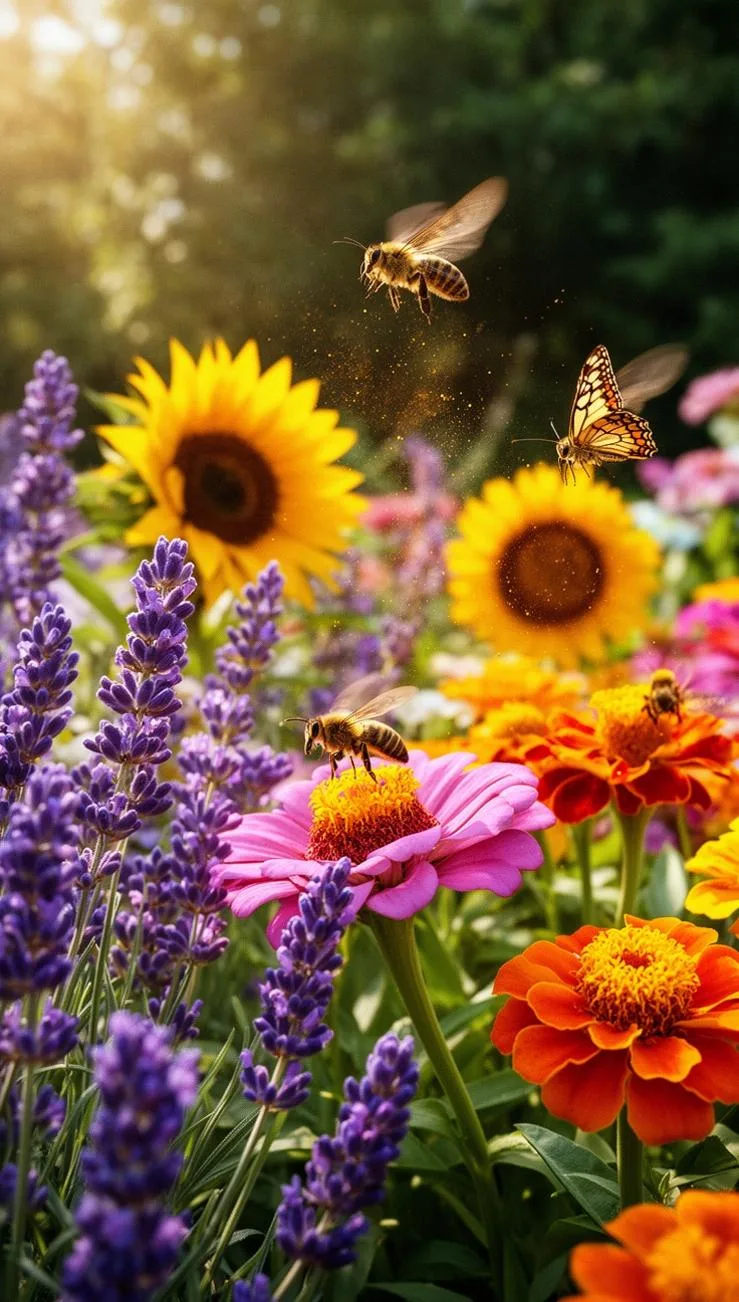
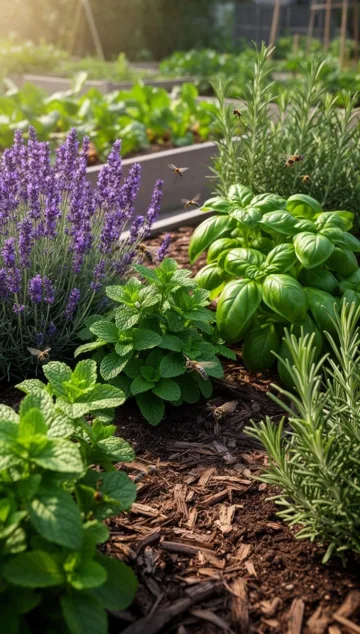
One of the most effective ways to manage pests is to plant “bodyguard” flowers and herbs near your vegetables. Some plants emit strong scents that confuse pests, while others act as “trap crops” that draw pests away from your prized produce.
Top Plants for Pest Deterrence
- Marigolds: Known for their pungent scent, they repel nematodes, aphids, and even some beetles.
- Nasturtiums: These act as a brilliant trap crop for aphids and squash bugs.
- Garlic and Chives: Their sulfurous odor is a major turn-off for carrot flies and Japanese beetles.
- Lavender: While we love the smell, moths, fleas, and flies find it repulsive.
Step-by-Step Instructions: Creating Your Own Spray
It is surprisingly easy to whip up a batch of effective treatments at home. Using household staples like castile soap and garlic ensures you know exactly what is going onto your food. Here is how to create and apply natural pest repellents to maintain a thriving organic pest repellent garden.
Homemade Garlic and Chili Spray
- Gather Ingredients: You will need two bulbs of garlic, 2 teaspoons of cayenne pepper or hot chili flakes, 1 tablespoon of biodegradable dish soap, and 1 quart of water.
- Blend the Base: Put the garlic and chili in a blender with a small amount of water. Blend until smooth.
- Steep: Let this mixture sit overnight in a jar to allow the sulfur and capsaicin to fully infuse the liquid.
- Strain: Use a fine mesh strainer or cheesecloth to remove the solids. If you skip this, your spray bottle will clog!
- Dilute and Mix: Add the liquid to your quart of water and stir in the soap. The soap helps the mixture “stick” to the leaves.
- Application: Pour into a spray bottle. Test on a single leaf first to ensure it doesn’t burn the plant, then spray the tops and undersides of leaves in the early morning or evening.
Tips from Experienced Gardeners
The “Early Bird” Strategy
The best time to check for pests is early in the morning when the dew is still on the plants. Many pests, like slugs and snails, are active at night and can be caught before they go into hiding.
Encourage Beneficial Predators
Invite “living pesticides” into your yard. Ladybugs, lacewings, and hoverflies eat massive amounts of aphids. You can attract these helpers by planting umbelliferous flowers like dill, fennel, and yarrow.
Focus on Soil Health
Healthy plants are less attractive to pests. Think of pests as nature’s “cleanup crew”—they often target plants that are stressed or nutrient-deficient. By enriching your soil with compost, you strengthen the plant’s natural immune system.
Common Mistakes to Avoid
Over-Applying Natural Sprays
Just because a spray is organic doesn’t mean it is harmless. Applying oil-based or soap-based sprays in the heat of the midday sun can cause “phytotoxicity,” effectively sunburned leaves. Always apply during the cool parts of the day.
Targeting the Wrong Insects
Avoid “broad-spectrum” mentality. If you see a caterpillar, identify it first. It could be the larva of a Monarch or Swallowtail butterfly. Only use repellents when the damage is significant and the pest is clearly identified as harmful.
Using Harsh Detergents
When making soap sprays, avoid “dish detergents” that contain degreasers or bleaching agents. These can strip the protective waxy coating off your plants. Always use pure, vegetable-based castile soap.
Tools and Materials Needed
To manage your garden naturally, you don’t need expensive machinery. A few basic tools will suffice:
- A Reliable Spray Bottle: Look for one with an adjustable nozzle for misting or a steady stream.
- Yellow Sticky Traps: Excellent for monitoring flying pests like fungus gnats or whiteflies.
- Horticultural Oil or Neem Oil: A staple for smothering scale and mite eggs.
- Diatomaceous Earth (Food Grade): A powder made from fossilized algae that creates a sharp barrier for crawling insects like ants and slugs.
- Fine Mesh Netting: A physical barrier that keeps moths from laying eggs on your brassicas.
Seasonal and Climate Considerations
Spring Awakening
As the weather warms, pests emerge from their overwintering stages. This is the time to be most vigilant. Use physical barriers like row covers early in the season to give young plants a chance to establish.
Summer Humidity
In humid climates, fungal issues often coincide with pest outbreaks. Neem oil is a great dual-purpose tool here, as it acts as both an insecticide and a fungicide.
Autumn Preparation
Don’t stop caring for your garden once the harvest ends. Clean up fallen fruit and diseased foliage to prevent pests from hibenating in the debris over the winter.
Benefits of Organic Pest Management
Switching to chemical-free methods offers rewards that go far beyond just “clean” vegetables:
- Safe for Pollinators: Bees and butterflies are vital to global food security. Organic methods ensure they remain safe while visiting your flowers.
- Cost-Effectiveness: Most natural solutions use pennies’ worth of household items.
- Healthier Soil: Synthetic pesticides often kill the beneficial microbes in the soil. Natural methods keep the subterranean ecosystem thriving.
- Peace of Mind: You can pick a tomato off the vine, give it a quick rinse, and eat it without worrying about chemical residues.
Alternative Physical Methods
Hand-Picking
For larger pests like Tomato Hornworms or Japanese Beetles, nothing beats the “pluck and bucket” method. Simply drop the pests into a bucket of soapy water.
Water Pressure
A strong blast from a garden hose is often enough to dislodge aphid colonies or spider mites. This is the most “natural” repellent there is and is often very effective for small outbreaks.
Copper Tape
If slugs are your primary enemy, placing copper tape around the rims of pots or raised beds can create a mild electric charge that deters them from crossing the line.
Conclusion
Transitioning to a more sustainable gardening lifestyle doesn’t happen overnight, but the results are well worth the effort. By prioritizing natural pest repellents, you create a garden that works with nature rather than against it. You’ll find that as you foster a diverse organic pest repellent garden, the need for intensive intervention decreases, leaving you with more time to enjoy the beauty and bounty of your harvest. Remember, a few nibbled leaves are a small price to pay for a yard teeming with life, health, and vibrant flavor.
Frequently Asked Questions
1. Is Neem oil really safe for bees?
Neem oil is generally safe for bees if applied correctly. It must be sprayed in the late evening when bees are not active, and you should avoid spraying it directly onto open flowers where bees land.
2. How often should I reapply homemade sprays?
Rain or heavy dew will wash away most natural solutions. Reapply after every rainstorm or roughly every 5 to 7 days until the pest problem is under control.
3. Can I use vinegar as a pest repellent?
Vinegar is a potent herbicide (weed killer). While it can kill some bugs, it is more likely to kill your plants. Use it for weeds in sidewalk cracks, but keep it away from your garden beds.
4. Will crushed eggshells stop slugs?
While many gardeners swear by eggshells, they aren’t always a foolproof barrier. They provide calcium to the soil as they break down, but for slug control, Diatomaceous Earth is usually more effective.
5. Does companion planting really work?
Yes, but it is a preventative measure, not a cure. It reduces the likelihood of a massive infestation by confusing pests and attracting their natural enemies, but it won’t eliminate pests entirely once they’ve arrived in force.