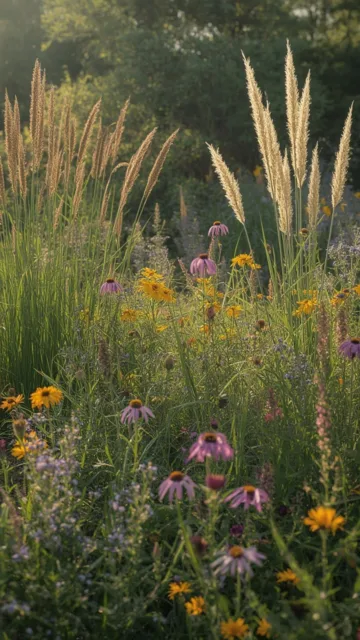
Create a Vibrant Local Habitat in Your Backyard
Opening Section
Imagine stepping outside to a garden that looks effortless yet bursts with color, attracts pollinators, and requires far less water and fertilizer than a traditional lawn. That’s the promise of a native plant garden. By choosing plants that have evolved right here, you’re not only simplifying maintenance but also supporting local wildlife. In a native landscape garden, native flowers provide the backbone for a thriving ecosystem, and the results are both beautiful and sustainable.
Understanding Native Plants
What Makes a Plant “Native”?
Native plants are species that occurred naturally in a region before major human settlement. They have adapted to the local soil, climate, and wildlife, meaning they need fewer inputs to survive. In contrast, exotic or non‑native species often require extra watering, fertilizing, or pest control.
Why Choose Native Over Exotic?
- Low Maintenance: Adapted to local conditions, they need less water and fewer chemicals.
- Wildlife Support: Native insects, birds, and mammals recognize these plants as food and shelter.
- Soil Health: Deep root systems improve soil structure and increase biodiversity.
Step-by-Step Instructions
Ready to start your own native plant garden? Follow these practical steps, and you’ll have a thriving outdoor space that’s both beautiful and ecologically responsible. Along the way, you’ll discover how a native landscape garden, native flowers can transform any yard.
1. Assess Your Site
Take notes on sunlight exposure (full sun, partial shade, full shade), soil type (sandy, loam, clay), and drainage. Sketch a simple map marking these zones – this will guide plant placement.
2. Choose the Right Plants
Pick species that match each micro‑climate on your site. Below are some beginner‑friendly options for various conditions:
- Full Sun: Black-eyed Susan (Rudbeckia hirta), Purple Coneflower (Echinacea purpurea), Prairie Dropseed (Sporobolus heterolepis).
- Partial Shade: Wild Columbine (Aquilegia canadensis), Virginia Bluebells (Mertensia virginica).
- Moist Areas: Swamp Milkweed (Asclepias incarnata), Joe-Pye Weed (Eutrochium purpureum).
3. Prepare the Soil
Native plants often thrive in existing soil conditions, but a light amendment can help:
- Remove existing turf or non‑native plants.
- Loosen the top 6‑8 inches with a garden fork.
- Incorporate a thin layer (1‑2 in) of compost if the soil is particularly poor.
4. Plant with Purpose
Arrange plants in layers, mimicking natural habitats: tall grasses at the back, medium‑height perennials in the middle, and low‑growers or groundcovers at the front. Space according to the mature size of each plant to reduce crowding.
5. Mulch and Water
Apply 2‑3 inches of organic mulch (pine bark, shredded leaves) to conserve moisture and suppress weeds. Water deeply after planting, then gradually reduce frequency as roots establish – usually once a week for the first month, tapering off thereafter.
6. Ongoing Care
Native gardens are low‑maintenance, but a few tasks keep them looking their best:
- Deadheading: Remove spent blooms to encourage a second flush.
- Invasive Watch: Spot‑check for aggressive non‑native species that may encroach.
- Seasonal Pruning: Trim back perennials in late winter to tidy up the garden.
Tips from Experienced Gardeners
- Start Small: Begin with a 10‑by‑10‑foot plot; you can expand as confidence grows.
- Use Local Resources: Visit your county’s cooperative extension or native plant societies for region‑specific plant lists.
- Group Plants by Water Need: This prevents over‑watering some species while under‑watering others.
- Layer for Visual Interest: Mix grasses, forbs, and shrubs for texture throughout the seasons.
Common Mistakes to Avoid
- Planting Too Deep: Keep the root ball level with the surrounding soil.
- Ignoring Sunlight Patterns: A plant that needs full sun will flop in shade.
- Over‑Mulching: Too much mulch can smother roots and retain excess moisture.
- Choosing Only Showy Species: Include foliage plants for winter interest and structural variety.
Tools or Materials Needed
- Garden fork or spade
- Measuring tape or ruler
- Wheelbarrow (for soil and mulch)
- Garden gloves
- Watering hose with a gentle spray nozzle
- Mulch (organic) – pine bark, shredded leaf, or straw
- Plant labels (optional, for record‑keeping)
Seasonal or Climate Considerations
Native plants are selected for their adaptation to local climate, but it’s still wise to plan with the seasons in mind:
- Spring: Focus on early‑blooming perennials like Bloodroot (Sanguinaria canadensis).
- Summer: Provide ample water during dry spells; drought‑tolerant natives like Little Bluestem (Schizachyrium scoparium) thrive.
- Fall: Plant fall‑color foliage like Red Twig Dogwood (Cornus sericea).
- Winter: Leave seed heads for birds; many natives provide essential cover for overwintering insects.
Benefits of This Gardening Method
Beyond the obvious visual appeal, a native approach offers measurable ecological and practical advantages:
- Water Conservation: Reduced irrigation saves up to 50 % of water usage.
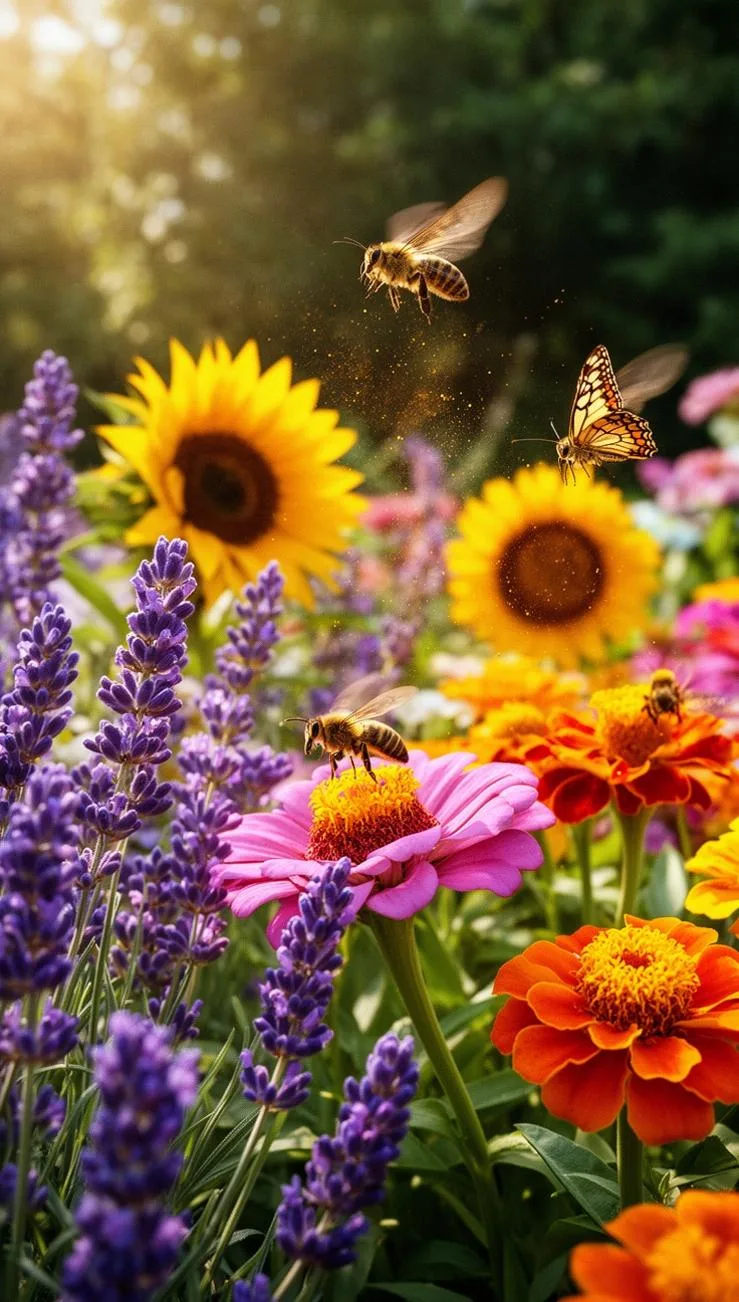
- Pollinator Support: Native bees, butterflies, and hummingbirds rely on indigenous blooms.
- Cost Savings: Lower fertilizer and pesticide expenses.
- Soil Improvement: Deep root systems increase organic matter and soil porosity.
Alternative Methods
If you love the idea of a native garden but have limited space, consider these variations:
- Native Container Gardens: Use pots or raised beds on patios.
- Mixed Borders: Combine a few native perennials with ornamental grasses for a hybrid look.
- Native Turf Alternatives: Replace traditional lawns with low‑maintenance native grasses like Buffalo Grass (Buchloe dactyloides).
Conclusion
Creating a thriving native plant garden is one of the most rewarding projects you can undertake as a hobby gardener. Not only does it provide lasting beauty, but it also nurtures the surrounding environment. By incorporating a thoughtful selection of native landscape garden, native flowers, you’ll enjoy a low‑maintenance, wildlife‑friendly space that evolves beautifully through the seasons.
Frequently Asked Questions
- Do I need to water my native garden every day?
No. Once established, most native plants need watering only during extended droughts. Initial weekly watering for the first month is sufficient. - Can I mix native and non‑native plants?
Yes, but keep non‑natives to a minimum. Over‑planting exotics can outcompete natives and reduce the garden’s ecological benefits. - What’s the best time of year to plant native perennials?
Early spring or early fall are ideal, allowing roots to establish before extreme temperatures. - How do I attract pollinators to my garden?
Plant a diversity of blooming periods, provide water sources, and avoid pesticide use. - Are native plants more resistant to pests?
Generally, yes. Because they co‑evolved with local insects, they experience fewer severe infestations, though occasional problems can still arise.