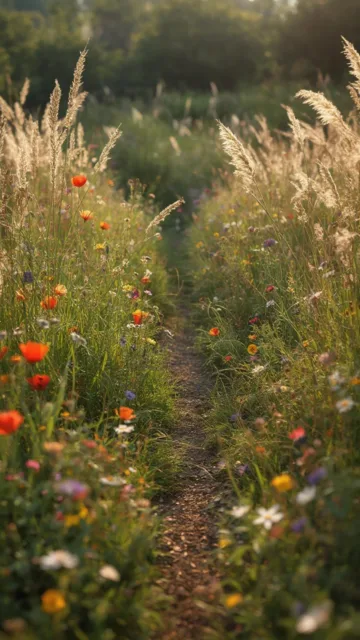
Creating a Serene Meadow‑Style Garden: A Beginner’s Guide
Why a Meadow‑Style Garden Is Worth Trying
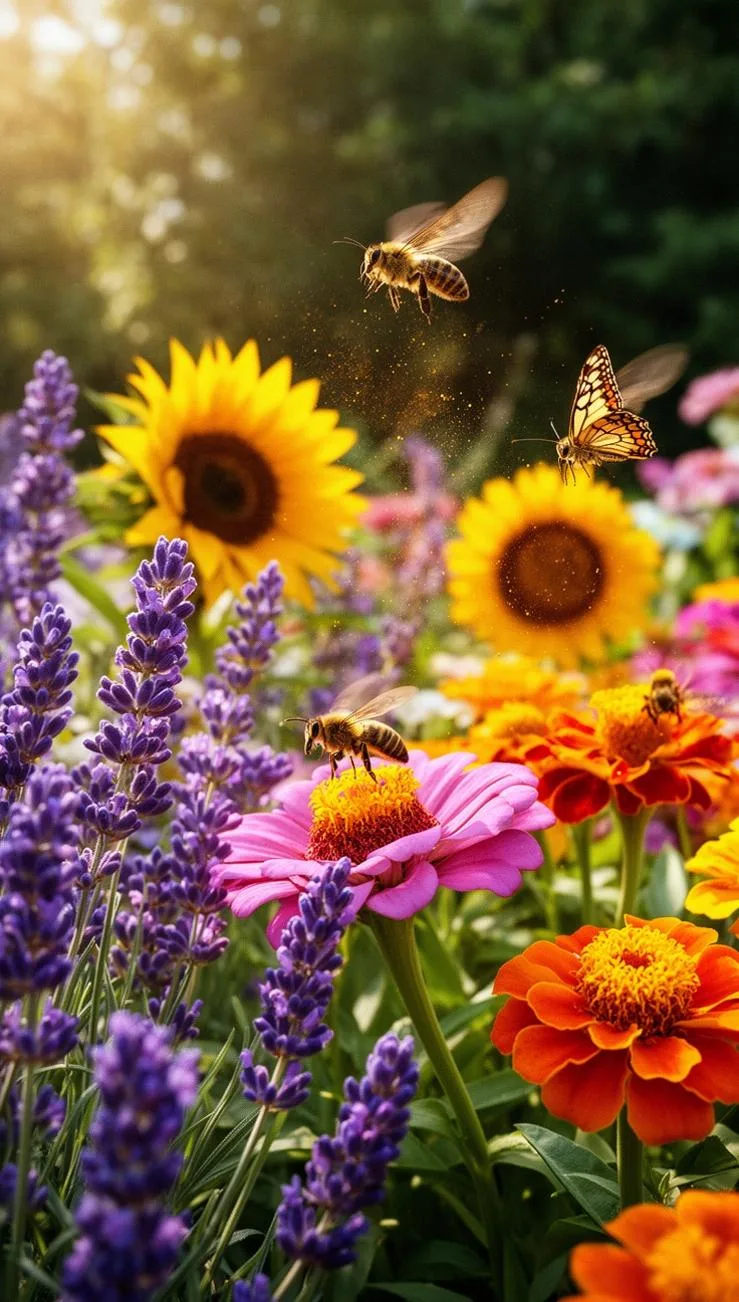
Imagine stepping into a slice of the countryside right in your backyard – soft grasses swaying, butterflies drifting, and a chorus of chirping birds. That relaxed, “wild‑look” feel is exactly what a meadow garden offers. Instead of meticulous rows of trimmed hedges, you get a low‑maintenance landscape that celebrates nature’s own design. It’s especially appealing for beginner and intermediate gardeners because the plant palette is forgiving, the upkeep is light, and the visual payoff is huge.
When you aim for a natural meadow garden, wild meadow plants selection, you’re choosing species that have evolved to thrive together, sharing the same soil, sunlight, and water needs. The result is a harmonious plant community that looks beautiful year after year with minimal interference.
Understanding the Meadow Garden Concept
What Makes a Meadow Garden Different?
- Focus on native or well‑adapted perennials rather than annual bedding plants.
- Loose, flowing planting design – no strict rows or formal borders.
- Emphasis on biodiversity: insects, birds, and small mammals benefit.
Key Plant Types to Consider
Even though you’ll be using wild‑type species, it helps to categorize them:
- Grasses – such as little bluestem, fountain grass, or prairie dropseed for structure.
- Forbs – the colorful herbs and wildflowers like coneflower, black-eyed Susan, and coreopsis.
- Legumes – like butterfly pea or clover, which fix nitrogen and attract pollinators.
Choosing the Right Site
Sunlight and Soil
Most meadow plants love full sun (6+ hours per day). Check your garden’s micro‑climates – a spot that’s partially shaded might still work if you choose shade‑tolerant species like woodland asters.
Drainage and Soil Preparation
Meadows thrive in well‑drained soils. If your area is heavy clay, consider adding a layer of coarse sand or compost to improve texture. A simple soil test (pH 6.0‑7.0 is ideal) will guide any amendments you need.
Step‑by‑Step Guide to Building Your Meadow Garden
1. Plan Your Layout
Sketch a rough map of the area. Mark zones where taller grasses will back‑drop shorter forbs. Keep pathways at least 24‑30 inches wide for easy access.
2. Prepare the Soil
Remove existing turf or annual beds. Loosen the top 6‑8 inches, incorporate organic matter, and level the surface.
3. Select and Source Plants
Choose a mix of 12‑15 species that bloom at different times. This ensures continuous color from early spring to late fall. Purchasing natural meadow garden, wild meadow plants from a reputable native‑plant nursery guarantees they’re locally adapted.
4. Planting Technique
- Space seeds or plugs according to label recommendations – usually 12‑18 inches apart.
- Plant in groups of 3‑5 to mimic natural clumps.
- Water lightly after planting, then let rain do the rest.
5. Mulch Lightly
Use a thin (½‑inch) layer of straw or shredded bark to suppress weeds without smothering seedlings.
6. Ongoing Care
For the first two years, mow once a year (late summer) to control aggressive growers and spread seed. After establishment, you can largely let nature take its course.
This straightforward process guides you from an empty plot to a thriving meadow garden that looks effortlessly beautiful.
Tips from Experienced Gardeners
- Start Small: Begin with a 50‑square‑foot patch; you can expand as confidence grows.
- Mix Seeds, Not Just Plants: Broadcasting a seed mix can fill gaps and add spontaneous color.
- Watch the Weather: Plant in cool, overcast conditions to reduce transplant shock.
- Leave Some Bare Soil: Small “naked” patches encourage seed germination of additional wild species.
Common Mistakes to Avoid
- Over‑watering: Meadow plants prefer drier conditions once established.
- Heavy Fertilization: Too much nitrogen encourages grasses to dominate, choking out forbs.
- Planting Too Densely: Crowding reduces air flow and increases disease risk.
- Ignoring Bloom Sequence: Selecting all early‑blooming species creates a short display period.
Tools or Materials Needed
- Spade or garden fork
- Hand trowel (for seedlings)
- Garden rake (for seed broadcasting)
- Measuring tape
- Mulch material (straw or bark)
- Garden hose or watering can (for initial watering)
Seasonal or Climate Considerations
Spring
Best time to sow seeds and plant plugs. Soil is moist, and seedlings can establish before summer heat.
Summer
Monitor for drought; occasional deep watering helps young plants. Avoid mowing during peak bloom.
Fall
Allow seed heads to mature and fall to the ground – they’ll self‑sow for next year.
Winter
Most meadow perennials go dormant. A light layer of leaf mulch protects roots from extreme freeze‑thaw cycles.
Benefits of This Gardening Method
- Low Maintenance: Once established, a meadow requires far less pruning and watering than traditional lawns.
- Biodiversity Boost: Provides habitat for pollinators, predatory insects, and small wildlife.
- Soil Health: Deep‑rooted grasses improve soil structure and increase organic matter.
- Cost‑Effective: Reduced water bills and fewer chemical inputs.
Alternative Methods
If a full‑scale meadow feels daunting, try these variations:
- Meadow Borders: Plant a narrow strip along a fence or walkway for a “mini‑meadow.”
- Container Meadows: Use large pots or troughs to experiment with species before committing to ground planting.
- Mixed Border: Combine a traditional flower border with a small meadow section, blending order and wildness.
Wrapping Up Your Meadow Garden Journey
Creating a meadow garden is less about strict rules and more about embracing nature’s own rhythm. By selecting the right mix of natural meadow garden, wild meadow plants and following a simple planting plan, you’ll enjoy a low‑maintenance, wildlife‑friendly space that changes beautifully through the seasons. Whether you have a sprawling yard or a modest plot, the principles remain the same: work with the land, choose adaptable species, and let the garden evolve.
Frequently Asked Questions
1. How long does it take for a meadow to look established?
Typically 2‑3 years. The first year focuses on root development; by year two, you’ll see fuller foliage and blooms.
2. Can I include non‑native ornamental grasses?
It’s best to stick with native or well‑adapted species to avoid invasive behavior. If you love ornamental grasses, choose low‑risk varieties and keep them limited.
3. Do I need to mow my meadow?
Annual mowing in late summer helps distribute seed and control aggressive growth. After the third year, mowing can be reduced or eliminated.
4. How much water is required after planting?
Water gently for the first 2‑3 weeks until seedlings establish. After that, rely on rainfall; supplemental watering only during prolonged drought.
5. Is a meadow garden suitable for a small backyard?
Absolutely! Even a 10‑by‑10‑foot block can create a striking meadow effect when planted thoughtfully.