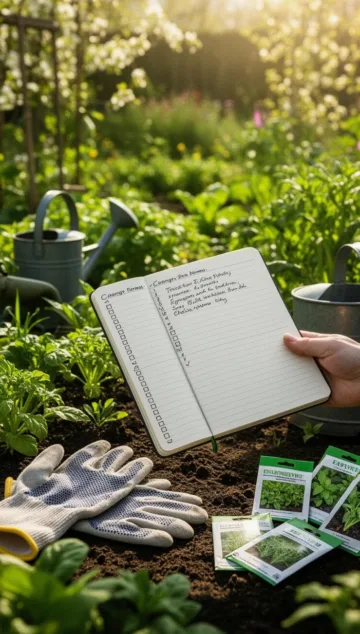
The Ultimate Guide to May Success: Your Garden’s Most Important Month
May is the heartbeat of the gardening year. For many of us in temperate climates, it is the magical “bridge” month where the threat of frost finally fades into the rearview mirror and the soil warms enough to welcome our most prized plants. If April was about preparation and patience, May is about action. It is the month of the “Big Plant Out,” the time when your windowsills finally get cleared of seedlings and your flower beds transform into a riot of color. However, because there is so much to do, it’s easy to feel overwhelmed. Having a solid may gardening checklist is the best way to ensure you don’t miss those critical windows for planting and pruning. By organizing your may garden tasks into manageable chunks, you can spend less time stressing and more time enjoying the sunshine and the smell of damp earth.
Priority One: Preparing the Soil and Infrastructure
Assessing Soil Health
Before any plant hits the ground, you must ensure their future home is ready. Use a garden fork to gently loosen any compacted soil in your beds. If you haven’t already, dig in a generous amount of well-rotted garden compost or leaf mold. This improves soil structure and provides a slow-release nutrient boost that will sustain your plants through the heavy growth phase of early summer.
Setting Up Supports
It is much easier to install supports now than it is to try and corral a fully grown plant later. Push bamboo canes into the ground for sweet peas and runner beans. For herbaceous perennials like peonies or delphiniums, place metal hoops or “grow-through” grids over them now. They will grow through the support, hiding the metalwork and staying upright during summer storms.
Ornamental Gardening: Flowers and Shrubs
Planting Summer Bulbs
If you haven’t tucked your dahlias, gladioli, or cannas into the ground yet, now is the time. These “summer stars” love the warmth. Plant dahlia tubers about 4-6 inches deep, ensuring the remains of last year’s stem are pointing upwards. These will provide incredible color from July right through until the first frosts of autumn.
Pruning Spring Bloomers
Once your spring-flowering shrubs like Forsythia or Chaenomeles have finished their display, give them a prune. Cut back the flowered shoots to a strong set of outward-facing buds. This encourages the plant to put its energy into new growth, which will carry next year’s blossoms.
The Edible Garden: Vegetables and Herbs
Direct Sowing Outside
As the soil temperature rises above 50°F (10°C), you can start sowing directly into the ground. Carrots, beetroots, parsnips, and radishes all thrive when sown in situ. Remember to sow thinly to reduce the need for thinning later, which can attract pests like carrot fly.
Hardening Off Seedlings
This is perhaps the most critical part of the month. Your tender plants—think tomatoes, peppers, and cucumbers—have been living a pampered life indoors. They need to get used to the wind and temperature fluctuations. Move them outside to a sheltered spot for a few hours a day, gradually increasing the time over a week until they are ready to stay out overnight.
Step-by-Step Instructions for Your May Success
To help you navigate this busy window, follow these specific steps to move from spring preparation to summer production. This may gardening checklist is designed to keep you on track so that your garden thrives all season long. Completing these may garden tasks in order will prevent you from feeling buried under a mountain of mulch!
Step 1: The Final Weed Sweep
Before you mulch or plant, do a thorough weeding. Weeds grow twice as fast as your desired plants in May. Use a hoe on a dry day to slice through annual weeds just below the surface; they will wither and die in the sun.
Step 2: Mulch for Moisture
Apply a 2-3 inch layer of organic matter around your plants. This anchors moisture in the soil before the heat of June arrives. Keep the mulch a few inches away from the actual stems of trees and shrubs to prevent rot.
Step 3: Begin the Succession Sowing
Don’t plant all your salad leaves at once. Sow a small row of lettuce, rocket, and spinach every two weeks. This ensures a steady harvest rather than a “glut” followed by a “famine.”
Step 4: Clean the Greenhouse
As the sun gets stronger, the temperature inside a greenhouse can skyrocket. Wash the glass to allow maximum light, but also consider applying some shade paint or installing blinds to prevent your delicate seedlings from scorching during midday.
Tips from Experienced Gardeners
- The Chelsea Chop: At the end of May, many gardeners perform the “Chelsea Chop.” This involves cutting back certain perennials (like Sedums or Phlox) by one-third. It results in a shorter, sturdier plant that flowers slightly later but with more blooms.
- Water in the Evening: To minimize evaporation, water your plants in the late evening or early morning. This gives the water time to soak deep into the roots.
- Deadhead Bulbs: Snip off the faded heads of tulips and daffodils. Leave the foliage until it turns yellow and dies back naturally; this sends energy back into the bulb for next year.
Common Mistakes to Avoid
Planting Out Too Early
The most common mistake is being fooled by one week of warm sunshine. Late frosts are “garden killers.” Always check your local long-range forecast before putting tender bedding plants out permanently. If in doubt, wait another week.
Neglecting the Lawn
May is when the lawn starts growing vigorously. Don’t set your mower blades too low; “scalping” the grass weakens the roots and allows weeds to take hold. Aim for a height of about 1-1.5 inches.
Feeding Dry Plants
Never apply liquid fertilizer to a plant that is bone-dry. The concentrated salts can burn the roots. Always water your plants thoroughly first, then apply the feed.
Tools and Materials Needed
- Hand Trowel and Fork: For planting and weeding.
- Garden Hoe: Ideal for keeping large beds weed-free with minimal effort.
- Stakes and Twine: For supporting tall flowers and climbing vegetables.
- Quality Compost: For soil conditioning and potting up containers.
- Watering Can with a Fine Rose: Essential for watering in new seeds without washing them away.
Seasonal and Climate Considerations
Regional Variations
If you live in a northern climate, your May might look like a southern gardener’s April. Adjust your timing based on when your last frost date usually occurs. Conversely, if you are in a very warm zone, May might already be the time to start thinking about “summer dormancy” and providing extra shade for cool-season crops like lettuce.
Rainfall Monitoring
May can be unpredictable. If it’s a particularly dry month, your new plantings will need daily attention. Plants in pots dry out much faster than those in the ground, so check them every morning.
Benefits of Following a May Checklist
Working with a plan isn’t just about efficiency; it’s about plant health. By timing your planting with the warming soil, you reduce “transplant shock.” Furthermore, by tackling weeds and pests (like aphids or lily beetles) early in May, you prevent them from becoming an uncontrollable infestation in June. A well-maintained May garden leads to a low-maintenance July garden.
Alternative Methods: No-Dig and Container Gardening
The No-Dig Approach
Instead of digging in compost, simply late a thick layer (4 inches) on top of the soil. This preserves the soil’s microbiome and prevents dormant weed seeds from being brought to the surface. It is a fantastic labor-saving technique for May.
Container Gardening
If you have limited space, May is the time to create “instant interest” with containers. You can control the soil quality perfectly in a pot, making it ideal for picky plants like blueberries (which need acidic soil) or Mediterranean herbs that require sharp drainage.
Conclusion
May is truly the turning point of the season. It is a month filled with promise, bird song, and the rapid greening of the landscape. By staying focused on your may gardening checklist, you ensure that every seedling has the best start and every flower bed is prepared for the heat of the coming summer. Remember that while there are many may garden tasks to complete, the goal is to enjoy the process of growth and renewal. Take a moment each evening to walk through your garden and appreciate the progress; those small daily victories are what make gardening the most rewarding hobby in the world.
Frequently Asked Questions (FAQs)
1. Can I plant tomatoes outside in early May?
It depends on your local climate. If there is any risk of frost, it is better to wait until the end of the month or keep them in a greenhouse/cold frame. Tomatoes are very sensitive to cold and will stop growing if temperatures drop below 50°F (10°C) at night.
2. How often should I water my new plants in May?
Newly planted items need regular watering until their roots are established. Check the soil daily; if the top inch is dry, give them a deep soak. Generally, watering 2-3 times a week is sufficient if there is no rain.
3. Is it too late to sow seeds in May?
Not at all! Many fast-growing vegetables like beans, squash, and sunflowers are best sown in May because the warmer soil helps them germinate quickly. You have plenty of time for a successful harvest.
4. What should I do if a late frost is predicted?
Don’t panic! Cover your tender plants with horticultural fleece, old bedsheets, or even inverted buckets overnight. Remove the covers the next morning once the temperature rises.
5. When should I start feeding my hanging baskets?
Wait about 4-6 weeks after planting your baskets. Most potting composts have enough slow-release fertilizer to last that long. After that, use a high-potash liquid feed once a week to encourage continuous flowering.