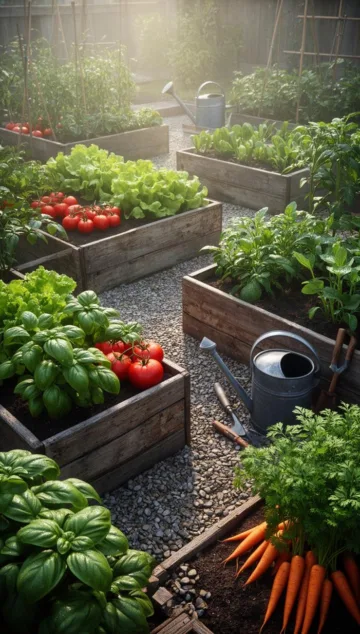
The Ultimate Guide to Growing Freshness at Home
Imagine stepping out of your back door and plucking a handful of sun-warmed cherry tomatoes, a sprig of fragrant rosemary, and a crisp head of butterhead lettuce just minutes before dinner. This isn’t just a dream for those with sprawling rural estates; it is a reality for anyone willing to explore creative kitchen garden ideas. Whether you have a tiny balcony or a sprawling emerald lawn, the concept of a potager—or functional vegetable garden—is about blending aesthetics with utility. By designing a dedicated backyard kitchen garden, you not only slash your grocery bill but also gain access to more nutritious, flavorful produce than any supermarket could ever provide.
Understanding the Kitchen Garden Concept
What Defines a Kitchen Garden?
Unlike a traditional farm where rows of single crops are grown for high-yield harvest, a kitchen garden is usually smaller, located closer to the house, and focuses on variety and accessibility. It is meant to be harvested daily for immediate use. The beauty of this approach is that it prioritizes the plants you actually love to cook with, ensuring that nothing goes to waste.
Choosing Your Aesthetics: Formal vs. Informal
Kitchen gardens can take many forms. A formal design might include symmetrical raised beds with paved paths, resembling an English cottage garden. An informal design might involve “foodscaping,” where you tuck edible plants into your existing ornamental flower beds. Both are effective; the choice depends on your personal style and the time you have for maintenance.
Popular Layouts and Designs
Raised Bed Systems
Raised beds are the gold standard for many home gardeners. They offer excellent drainage, prevent soil compaction, and make it easier to manage pests. You can build these from cedar, stones, or even recycled galvanized troughs for a modern, industrial look.
Vertical Gardening for Small Spaces
If square footage is at a premium, look up! Trellises, wall-mounters, and tower gardens allow you to grow cucumbers, pole beans, and peas vertically. This not only saves space but also keeps the fruit off the ground, reducing the risk of rot and disease.
Container Gardening on Patios
Don’t underestimate the power of a pot. Many modern hybrid vegetables are bred specifically for container life. “Patio” varieties of tomatoes, peppers, and eggplants thrive in large pots, provided they have rich soil and consistent hydration.
Step-by-Step Instructions for Your New Garden
Getting started can feel overwhelming, but breaking it down into manageable steps makes the process enjoyable and rewarding.
Step 1: Location and Sunlight
Observe your outdoor space for a few days. Most edible plants require at least 6 to 8 hours of direct sunlight. Place your garden as close to your kitchen door as possible; the “out of sight, out of mind” rule applies heavily to gardening.
Step 2: Drafting Your Plan
Grab a notebook and sketch out your kitchen garden ideas. Decide which vegetables, herbs, and edible flowers you use most in your recipes. Group plants by their water and light needs to make maintenance easier.
Step 3: Preparing the Soil
Your garden is only as good as its foundation. Test your soil pH and amend it with high-quality compost. If you are building a backyard kitchen garden from scratch, avoid using native soil alone, as it may be too heavy or lack the nutrients required for heavy-feeding vegetables.
Step 4: Planting and Mulching
Transplant your seedlings or sow your seeds according to the package depth. Once planted, apply a layer of organic mulch like straw or shredded bark. This suppresses weeds and keeps the moisture in the soil where it belongs.
Tips from Experienced Gardeners
Succession Planting
Don’t plant all your lettuce seeds at once, or you’ll have twenty heads of lettuce ready on the same day. Instead, plant a small amount every two sequences. This ensures a steady stream of harvests throughout the season.
Interplanting for Pest Control
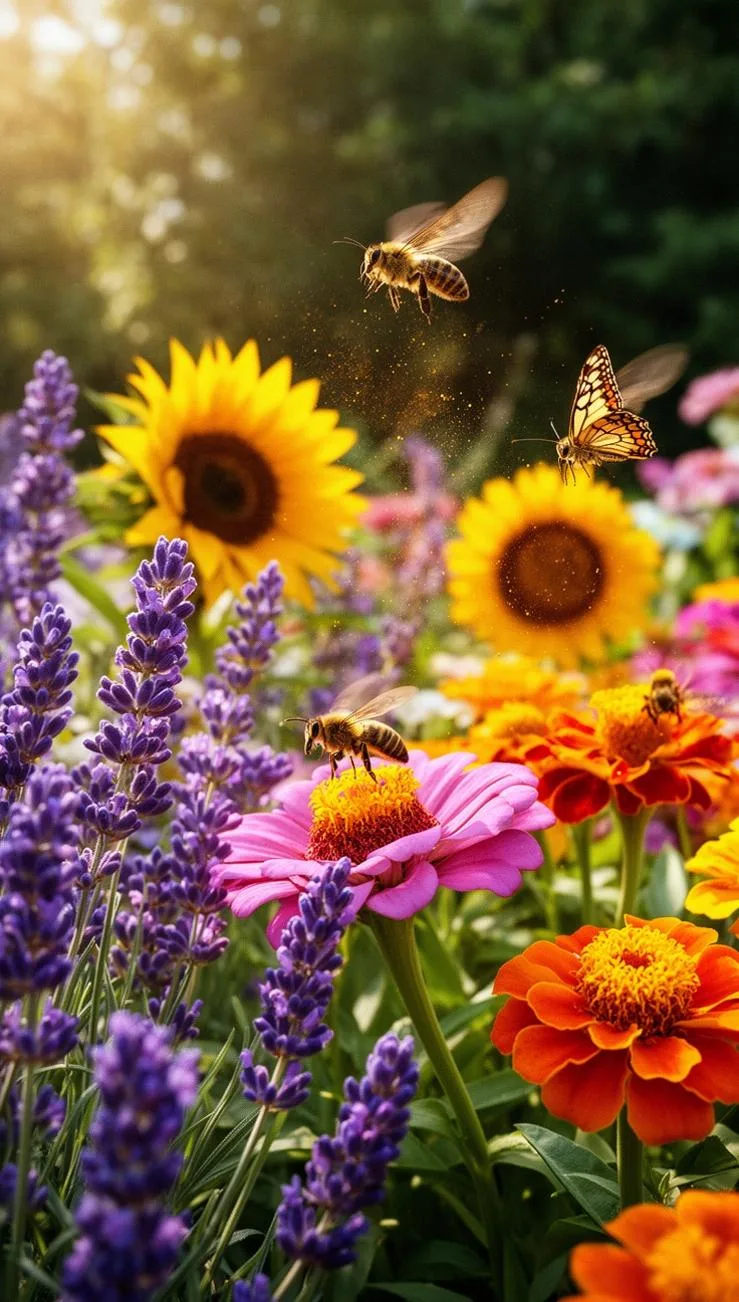
Mix flowers like marigolds and nasturtiums among your vegetables. Marigolds help deter nematodes, while nasturtiums act as a “trap crop,” pulling aphids away from your precious kale and peppers.
The Power of Herbs
If you are a complete beginner, start with perennial herbs like thyme, sage, and oregano. They are incredibly hardy, require little maintenance, and provide the biggest “bang for your buck” when compared to store-bought prices.
Common Mistakes to Avoid
Over-Watering and Under-Feeding
While plants need water, many beginners accidentally “drown” their plants. Feel the soil; if it’s damp an inch down, wait a day. Conversely, vegetables are hungry. If you don’t replenish the soil with organic fertilizer mid-season, your harvest will be lackluster.
Planting Too Much Too Soon
It is tempting to buy every seed packet in the store. However, a small, well-tended garden is more productive than a large, neglected one. Start small and expand as your confidence grows.
Ignoring the “Hardness” of Seeds
Ensure you are planting at the right time. Putting heat-loving peppers in the ground before the last frost will kill them instantly. Always check your local frost dates before starting.
Tools and Materials Needed
To set yourself up for success, you will need a few basic supplies:
- Hand Trowel: For digging small holes and transplanting.
- Pruning Shears: Essential for harvesting and trimming back dead growth.
- Garden Fork: Useful for aerating soil and mixing in compost.
- Hose with a Wand Attachment: Allows for gentle watering at the base of the plant.
- Quality Compost: The “black gold” that fuels plant growth.
- Labels: Trust me, you will forget what you planted where!
Seasonal and Climate Considerations
Cool Season vs. Warm Season
Vegetables are generally divided into two categories. Cool-season crops (peas, spinach, radishes) prefer the spring and autumn. Warm-season crops (tomatoes, peppers, melons) require the heat of summer. Knowing your “zone” is vital for timing your planting correctly.
Microclimates in the Backyard
Even within a single yard, different areas have different climates. A brick wall that faces south will radiate heat, making it perfect for peppers. A low-lying damp spot might be the ideal home for mint or watercress.
Benefits of This Gardening Method
The kitchen garden offers more than just food. It provides a therapeutic escape and a sense of accomplishment. Strategically, it reduces your carbon footprint by eliminating the transportation needed for store-bought greens. Furthermore, because you control the inputs, you can ensure your food is free from synthetic pesticides and herbicides, leading to a much healthier lifestyle for you and your family.
Alternative Methods: Hydroponics and Straw Bales
If you have no soil at all, consider hydroponics. Small indoor units can grow herbs and lettuce on your kitchen counter year-round using only water and nutrient solutions. Another quirky but effective method is straw bale gardening. By “conditioning” a bale of straw with fertilizer, you can plant directly into the bale. This creates a raised environment that is naturally warm and weed-free, perfect for those with poor soil or mobility issues.
Conclusion
Starting your own edible oasis is one of the most rewarding projects a homeowner can undertake. By implementing creative kitchen garden ideas, you transform your outdoor space into a living pantry that feeds both the body and the soul. Remember that gardening is a journey of trial and error; every “failure” is simply a lesson for next season. Whether you start with a single pot of basil or a complete backyard kitchen garden, the key is to begin. Happy planting, and enjoy the incomparable taste of home-grown goodness!
Frequently Asked Questions
1. How much space do I really need for a kitchen garden?
You can start a productive kitchen garden in as little as 10 to 20 square feet. Using intensive planting methods like “Square Foot Gardening,” you can produce an incredible amount of food in a very small footprint.
2. What are the easiest vegetables for beginners to grow?
Radishes, lettuce, zucchini, and cherry tomatoes are generally considered the easiest. They grow quickly and are relatively resistant to common pests, providing quick wins for new gardeners.
3. Do I need to buy new soil every year?
No, you don’t need to replace it, but you do need to “recharge” it. Every year, add 2-3 inches of fresh compost to the top of your beds to replenish the nutrients that the previous year’s plants consumed.
4. How often should I water my kitchen garden?
Most gardens need about an inch of water per week. In the heat of summer, containers might need daily watering, while established raised beds might only need deep watering twice a week. Always water at the base of the plant to keep the leaves dry.
5. How can I keep pests away without using chemicals?
Physical barriers like bird netting or row covers work wonders. Encouraging beneficial insects like ladybugs and lacewings also helps maintain a natural balance. Neem oil and insecticidal soaps are excellent organic options for tougher infestations.