The Ultimate Guide to Success: Your Roadmap for the Best Summer Garden Yet
June is often considered the peak of the gardening season. The initial rush of spring planting has slowed down, the soil is finally warm, and the days are at their longest, providing plenty of sunlight for your favorite blooms and vegetables. However, this transition month brings its own set of challenges, from rising temperatures to the sudden emergence of pesky garden pests. To keep your outdoor space thriving, it is essential to stay organized with a comprehensive june gardening checklist. By staying on top of your june garden tasks now, you ensure that your garden remains productive and vibrant through the sweltering heat of July and August.
Whether you are nurturing a small balcony herb garden or managing a sprawling backyard vegetable patch, June is the time when your plants need consistent attention. The “June gap”—that period when spring flowers fade but summer perennials haven’t quite peaked—requires a keen eye and a steady hand. In this guide, we will break down everything you need to do to maintain a lush, healthy garden that will be the envy of the neighborhood.
Essential Maintenance for the June Garden
Watering Wisely and Consistently
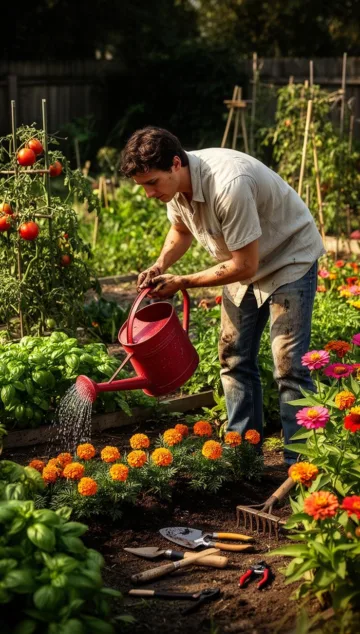
As the sun gets stronger, your watering routine becomes the most critical factor in plant health. Deep watering is always better than frequent shallow sprinkles. When you water deeply, you encourage roots to grow further into the ground, where the soil stays cooler and moister. Aim to water early in the morning, ideally before 9:00 AM, to reduce evaporation and prevent foliage diseases caused by damp leaves sitting overnight.
Mulching for Moisture Retention
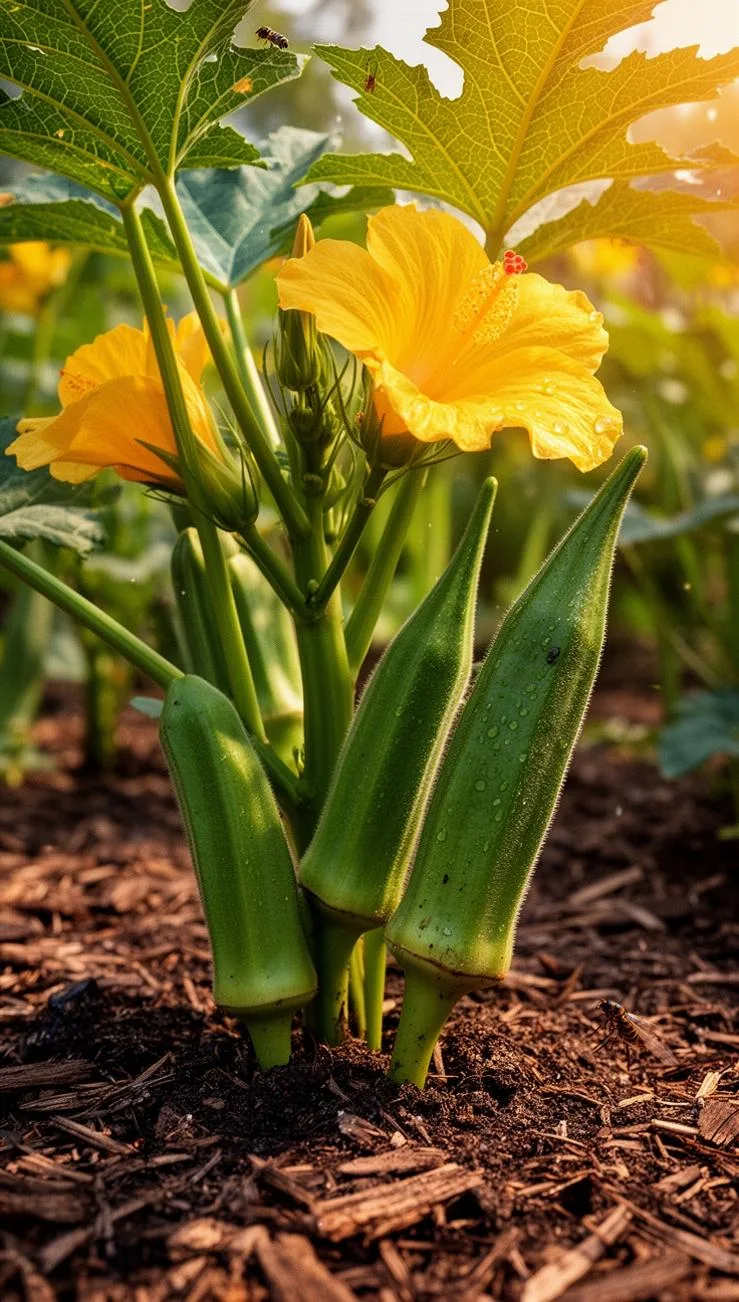
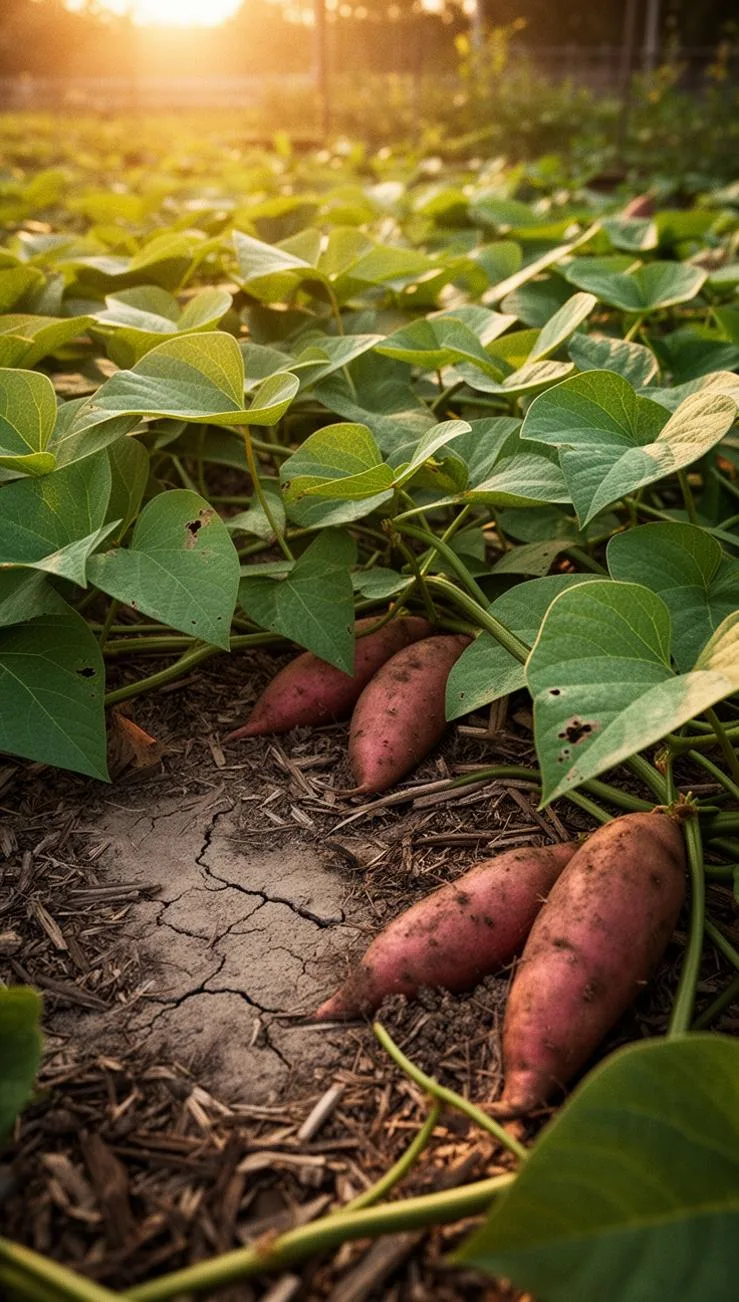
If you haven’t already applied a thick layer of mulch, June is your last chance to do so before the extreme heat sets in. Organic mulch, such as shredded bark, straw, or compost, acts as a blanket for your soil. It keeps the roots cool, suppresses weed growth, and slowly adds nutrients back into the earth as it breaks down. Aim for a layer about 2 to 3 inches thick, but be sure to keep it away from the direct stems of your plants to prevent rot.
Managing Pests and Diseases
Warm weather is an invitation for aphids, slugs, and spider mites. Keep a close eye on the undersides of leaves and the new growth tips of your roses and vegetables. A sharp stream of water from the hose can often knock back aphid populations, while neem oil or insecticidal soap can handle more stubborn infestations. Early detection is the key to preventing a minor bug problem from becoming a total garden takeover.
Optimizing Your Floral and Edible Harvests
Deadheading for Continuous Blooms
To keep your annuals like petunias, zinnias, and marigolds blooming all summer, you must practice “deadheading”—the simple act of removing spent flowers. When a plant starts to produce seeds, it shifts its energy away from flower production. By snipping off the old blooms, you trick the plant into thinking it still needs to reproduce, resulting in a fresh flush of color.
Succession Planting Your Vegetables
Don’t let empty spots in your vegetable beds go to waste. June is perfect for “succession planting.” If you’ve finished harvesting your early spring radishes or lettuce, replant those rows with heat-loving beans, cucumbers, or a second round of carrots. This ensures a staggered harvest so you have fresh produce hitting your kitchen table all season long rather than all at once.
Step-by-Step Instructions for Your Mid-Season Routine
To make the most of your time outdoors, follow this systematic june gardening checklist to stay ahead of the curve. Dealing with these june garden tasks in a specific order will save you labor in the long run.
Step 1: Inspect and Support
Walk through your garden and identify plants that are growing rapidly. Stake your tomatoes, tie up climbing roses, and provide cages for heavy-headed peonies or dahlias. Doing this before they flop over prevents stem breakage and keeps the fruit off the ground.
Step 2: Weed with Precision
Spend 10 minutes every morning pulling small weeds. In June, weeds grow at an incredible rate. If you catch them before they flower and drop seeds, you’ll have significantly less work in July. Always try to pull the root out entirely to prevent regrowth.
Step 3: Fertilize for a Boost
By mid-June, many container plants and heavy feeders like tomatoes and peppers have used up the initial nutrients in the soil. Apply a balanced, water-soluble fertilizer or a “side-dressing” of compost to give them the energy they need for fruit and flower production.
Step 4: Thin Your Seedlings
If you sowed seeds directly into the ground last month, they are likely crowded now. Thin out your beets, carrots, and zinnias to the spacing recommended on the seed packet. This gives each plant enough “elbow room” for air circulation and nutrient absorption.
Tips from Experienced Gardeners
- The Finger Test: Before watering, stick your finger an inch or two into the soil. If it feels damp, wait another day. Overwatering can be just as damaging as underwatering.
- Harvest Early and Often: The more you harvest crops like zucchini, cucumbers, and beans, the more the plant will produce. Don’t wait for vegetables to get “giant”; they usually taste better when they are young and tender.
- Sharpen Your Tools: Mid-season is a great time to give your pruners a quick sharpen. Clean cuts heal faster on plants and reduce the risk of disease transmission.
Common Mistakes to Avoid
Pruning Spring-Flowering Shrubs Too Late
Lilacs, Forsythia, and Azaleas should be pruned immediately after they finish blooming. If you wait until late June or July, you might accidentally cut off the buds that are forming for next spring’s flowers.
Ignoring the Lawn
Many gardeners focus solely on the beds and forget the grass. Set your mower blades higher in June. Taller grass shades the soil, which prevents weed seeds from germinating and helps the lawn retain moisture during dry spells.
Over-Fertilizing During a Heatwave
Never fertilize plants that are showing signs of heat stress (wilting). Adding fertilizer encourages new growth, which requires even more water. Wait for a cooler spell or a cloudy day to feed your plants.
Tools and Materials Needed
Having the right gear on hand makes these tasks much more enjoyable. Here is what you should have in your shed this month:
- Hand Trowel and Cultivator: For planting and loosening the soil.
- Soaker Hoses or Drip Irrigation: The most efficient way to water deeply while keeping foliage dry.
- Hand Pruners (Secateurs): For deadheading and light trimming.
- Garden Twine and Stakes: For supporting tall or climbing plants.
- Quality Compost or Mulch: To top-dress beds and retain moisture.
- Harvest Basket: For bringing in those early summer rewards!
Seasonal and Climate Considerations
The “June experience” varies depending on your location. For those in more southern, humid climates, June marks the beginning of high fungal pressure. Ensure you have maximum air circulation between plants to prevent powdery mildew. In northern or high-altitude climates, June may still have chilly nights; keep some row covers handy just in case of a late, unexpected cold snap.
For gardeners in arid regions, June is the month to double down on “hydro-zoning”—grouping plants with similar water needs together to ensure you aren’t wasting water on drought-tolerant species while trying to keep thirsty plants alive.
Benefits of Staying Proactive in June
Taking the time to follow a structured plan this month offers numerous rewards:
- Higher Yields: Proper thinning and fertilizing lead to more tomatoes, peppers, and cucumbers.
- Pest Prevention: Early intervention prevents full-scale infestations that could ruin your crop.
- Aesthetic Beauty: Deadheading keeps your flower beds looking fresh and vibrant rather than brown and seedy.
- Winter Preparation: Many tasks done now, like mulching, actually improve your soil health for the following year.
Alternative Methods for Busy Gardeners
If you don’t have hours to spend in the dirt every weekend, consider these “lazy” but effective alternatives:
- Self-Watering Containers: Great for herbs and tomatoes, these reservoirs reduce the need for daily watering.
- No-Dig Gardening: Instead of tilling weeds, smother them with cardboard and compost. It saves your back and keeps the soil microbiome intact.
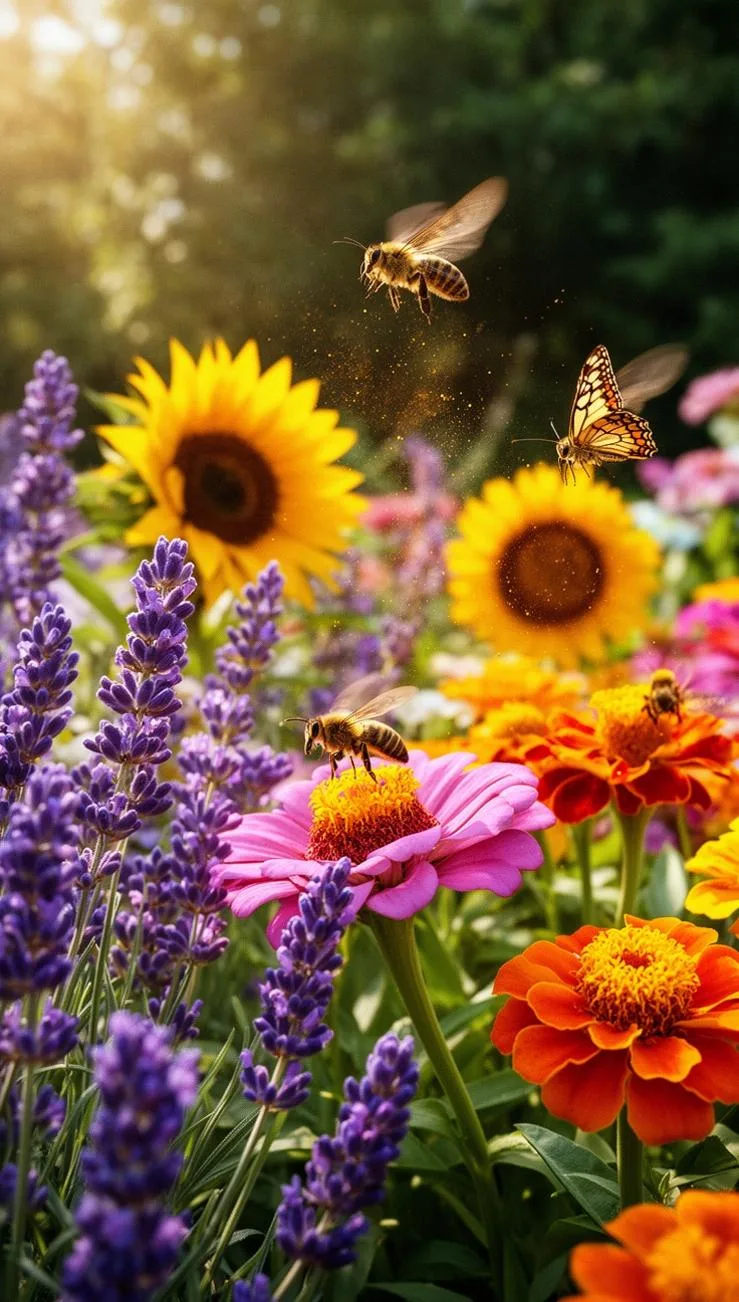
- Wildflower Strips: Instead of perfectly manicured beds, dedicate a section of your garden to native wildflowers. They require less maintenance and attract beneficial pollinators that do the pest control work for you.
Conclusion
June is truly the month where a gardener’s hard work begins to pay off. By staying diligent with your june gardening checklist, you are setting the stage for a bountiful and beautiful summer. From the simple act of deadheading your favorite roses to the strategic june garden tasks of succession planting and mulching, every small action contributes to the overall health of your ecosystem. Remember to take a moment occasionally to sit back, enjoy a glass of iced tea, and appreciate the life you’ve helped cultivate. Gardening is a marathon, not a sprint, and June is the perfect time to find your rhythm.
Frequently Asked Questions
1. Can I still plant tomatoes in June?
Yes, especially if you buy established nursery plants rather than starting from seed. Just ensure you water them extra carefully as they settle in during the heat.
2. Why are the leaves on my squash plants turning white?
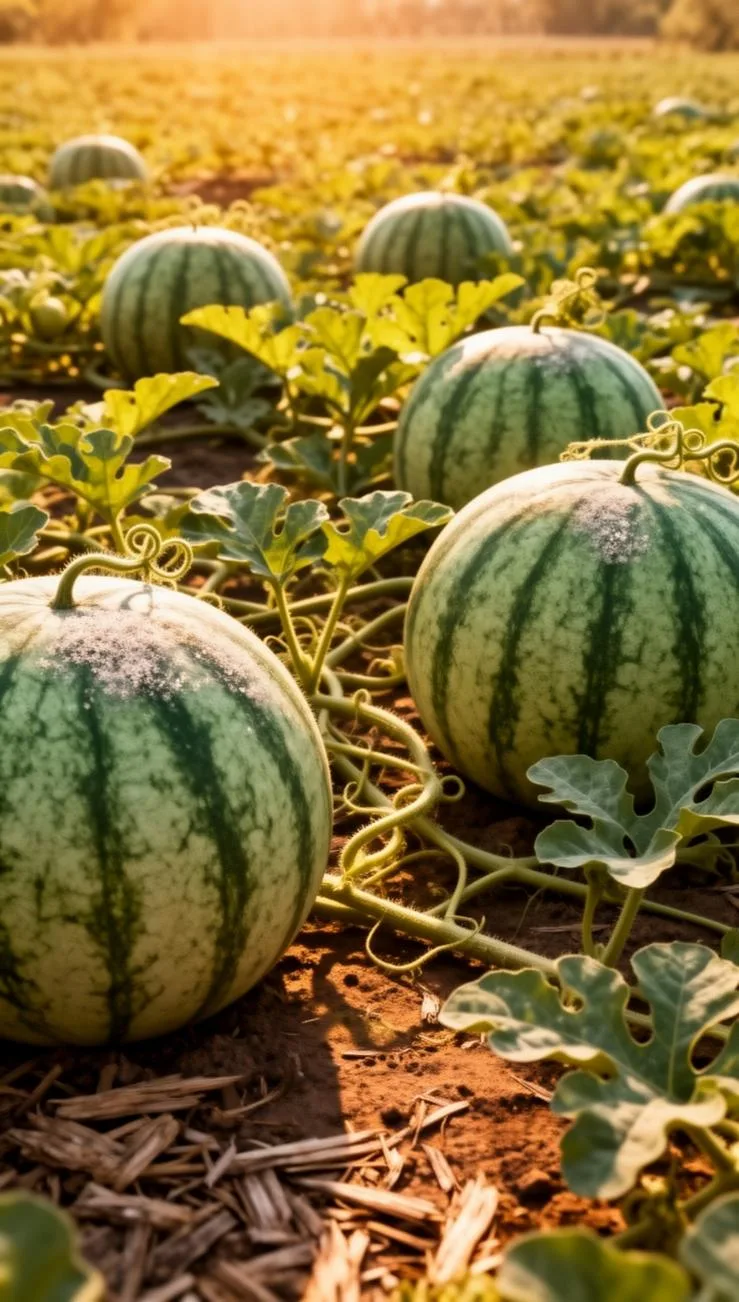
This is likely powdery mildew, a common fungus in June. Improve air circulation and try a spray of one part milk to nine parts water to help control it.
3. How much should I be watering my hanging baskets?
In June, hanging baskets dry out very quickly. On hot or windy days, they may need watering twice—once in the morning and once in the late afternoon.
4. Is it too late to start a herb garden?
Not at all! Many herbs like basil, oregano, and rosemary thrive in the summer heat. June is actually the perfect time to get them into the ground or a sunny pot.
5. Why aren’t my hydrangeas blooming?
If you pruned them too late last year or if they suffered from a late spring frost, they may not bloom this season. Focus on keeping them hydrated and healthy for next year.