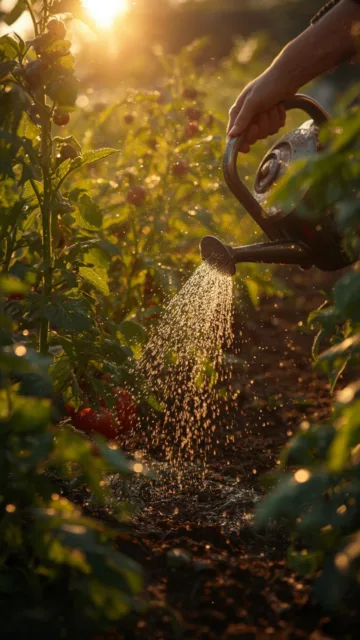
The Ultimate Guide to Keeping Your Plants Hydrated During the Heat
When the sun is high and the temperatures begin to soar, our gardens face their toughest challenge of the year. For many hobbyists, seeing wilting leaves or parched brown soil can be stressful. We often wonder: are we doing enough, or perhaps, are we doing too much? Mastering the art of watering garden summer routines is the difference between a garden that merely survives and one that truly thrives. Keeping your green space lush doesn’t have to be a guessing game. By implementing a few professional garden watering tips, you can conserve water while ensuring your vegetables, flowers, and shrubs remain vibrant throughout the hottest months.
The Science of Summer Hydration
During the summer, plants lose water through a process called transpiration. Think of it like sweating for plants. As the air heats up, moisture evaporates from the leaves, and the plant pulls more water from the roots to compensate. When the soil is dry, this cycle breaks, leading to heat stress.
Understanding Soil Moisture
Before you reach for the hose, you need to know what’s happening beneath the surface. Soil that looks dry on top might still be damp two inches down. Using your finger to check the moisture level is a simple, effective method. If the soil feels dry at knuckle-depth, it’s time to water.
The Importance of Deep Watering
A common mistake is giving plants a quick “spritz” every day. This only wets the top layer of soil, encouraging roots to grow upward where they are more vulnerable to heat. Deep watering encourages roots to grow down into the cooler, moisture-retentive depths of the earth.
Step-by-Step Instructions for Perfect Irrigation
Establishing a routine is vital for consistency. To get the best results for your watering garden summer strategy, follow these actionable steps designed to maximize efficiency and plant health. These garden watering tips will help you navigate the peak heat with ease.
Step 1: Time Your Sessions
The best time to water is in the early morning, ideally before 9:00 AM. This allows the water to soak into the soil before the sun causes rapid evaporation. If you can’t water in the morning, late evening is the second-best option, though morning is preferred to prevent fungal growth.
Step 2: Target the Root Zone
Direct your water flow at the base of the plant rather than spraying the foliage. Wet leaves in the hot sun can lead to scorching, and damp leaves at night can invite powdery mildew and other diseases.
Step 3: Apply Water Slowly
If your soil is very dry, it may become hydrophobic (repelling water). Apply water slowly to allow it to sink in. If you see runoff, stop for a few minutes to let the ground absorb the moisture, then continue.
Step 4: Check and Adjust
Weather is unpredictable. After a heavy rain, you might skip a day. During a heatwave, you might need to check your containers twice a day. Always adjust your schedule based on the actual conditions of your garden.
Tips from Experienced Gardeners
Seasoned horticulturists have a few “secret weapons” when it comes to managing summer heat. One of the most effective tools is mulch. Applying a 2-to-3-inch layer of organic mulch, like wood chips, straw, or shredded leaves, acts as an insulator for your soil. It keeps the ground cool and drastically reduces the rate of evaporation.
Another tip is to group plants with similar water needs together, a practice known as “hydrozoning.” By placing your thirsty hydrangeas and cucumbers in one area and your drought-tolerant lavender and succulents in another, you can prevent overwatering some while underwatering others.
Common Mistakes to Avoid
Even well-intentioned gardeners fall into traps that can harm their plants. Avoid these frequent pitfalls:
- Watering during the heat of the day: Much of the water will evaporate before it ever reaches the roots, wasting both time and money.
- Only watering the surface: Shallow watering leads to weak root systems. Aim for a thorough soak.
- Using high-pressure nozzles: A strong blast can damage delicate stems and wash away topsoil. Use a “rain” or “shower” setting.
- Ignoring containers: Pots and hanging baskets dry out much faster than the ground. In extreme heat, they may need water both morning and evening.
Tools or Materials Needed
Having the right gear makes the job easier and more effective. Consider adding these items to your gardening shed:
Soaker Hoses and Drip Irrigation
These are the gold standard for efficiency. They deliver water directly to the soil, minimizing waste and keeping foliage dry. Drip systems can even be put on timers, so you never forget a session.
Watering Wands
A wand allows you to reach the base of plants in the middle of a border without bending over or disturbing the surrounding foliage. Look for one with a shut-off valve on the handle.
Rain Barrels
Collecting rainwater is an eco-friendly way to supplement your supply. Rainwater is often better for plants than treated tap water because it’s free of chlorine and fluoride.
Seasonal or Climate Considerations
Not every summer is the same. In humid climates, moisture stays in the soil longer, but the risk of fungal disease is higher. In arid or Mediterranean climates, the air is so dry that plants lose moisture even faster, necessitating heavier mulching and more frequent checks.
Wind is another often-overlooked factor. A windy summer day can dry out a garden just as quickly as a hot one. If your garden is in a wind-prone area, consider windbreaks or temporary shading to protect your most sensitive plants.
Benefits of Controlled Summer Watering
Following a disciplined watering method offers numerous benefits beyond just keeping plants alive:
- Increased Harvest: For vegetable gardeners, consistent moisture is the key to preventing “blossom end rot” in tomatoes and ensuring juicy cucumbers.
- Better Bloom Longevity: Flowers that are well-hydrated stay fresh and vibrant for much longer than those struggling under heat stress.
- Cost Savings: By watering at the right time and using mulch, you use less water overall, lowering your utility bills.
- Pest Resistance: Healthy, hydrated plants are much better at fending off pests like spider mites and aphids, which thrive on weakened, dry plants.
Alternative Methods
If you are looking for ways to reduce your manual labor, there are several “low-tech” and “high-tech” alternatives to the traditional garden hose.
Ollas (Clay Pot Irrigation)
This ancient method involves burying unglazed terracotta pots in the garden with only the neck exposed. You fill the pot with water, and the moisture slowly seeps through the clay walls directly to the surrounding plant roots.
Self-Watering Containers
For patio gardeners, self-watering pots feature a reservoir at the bottom. The soil wicks up moisture as needed, which is perfect for busy individuals or those who travel during the summer.
Conclusion
Success in the garden doesn’t require a green thumb as much as it requires good habits. By understanding the specific needs of your soil and plants, you can master watering garden summer tasks with confidence. Remember that the goal is to provide deep, consistent moisture that encourages strong root growth. By following these garden watering tips, you ensure that your outdoor sanctuary remains a beautiful, cooling retreat even when the mercury rises. Stay observant, adjust to the weather, and your garden will reward you with a bounty of colors and flavors all season long.
Frequently Asked Questions
1. How do I know if I’m overwatering?
Yellowing leaves, a sour smell from the soil, or a soft, mushy base at the stem are signs of overwatering. If the soil stays soggy for days, you need to cut back and improve drainage.
2. Can I water my lawn and garden at the same time?
Usually, yes. However, lawns typically need different amounts of water than flower beds. Lawns generally need about one inch of water per week, whereas flowers may need more frequent, targeted drinks.
3. Should I water more if it’s windy?
Yes. Wind increases the rate of evaporation from both the soil and the leaves. Check your plants more frequently on breezy days, even if the temperature isn’t extremely high.
4. Is it okay to use greywater in my garden?
In many cases, yes. Greywater from showers or sinks (using biodegradable soap) can be used on ornamental plants. Avoid using it on edible crops, especially root vegetables or leafy greens that you eat raw.
5. Why do my plants look wilted in the afternoon even if the soil is wet?
This is often “temporary wilt.” In extreme heat, the plant loses water faster than it can take it up, regardless of soil moisture. If they perk up once the sun goes down, they are likely fine. If they are still wilted the next morning, they need water.