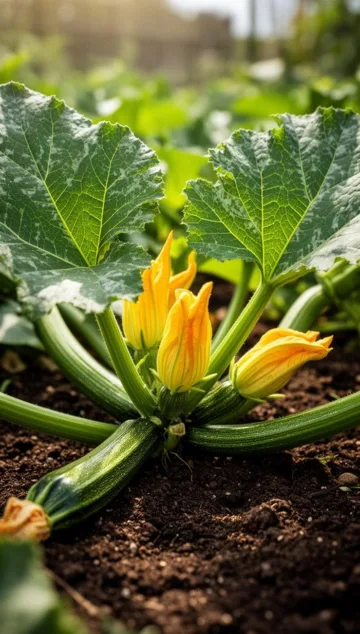
The Ultimate Summer Squash Handbook: Flourishing with Zucchini in Your Home Garden
Why Zucchini is a Must-Have for Every Garden
There is a special kind of magic that happens when you decide to grow zucchini in your backyard. Ask any hobbyist gardener about their most rewarding crops, and this prolific summer squash will likely be at the top of the list. Zucchini is the “overachiever” of the vegetable patch; it is resilient, incredibly fast-growing, and provides an abundance of food that can feed a family for months. Whether it is sliced into a fresh salad, grilled at a backyard barbecue, or baked into a moist loaf of bread, the versatility of this plant is unmatched.
If you are a beginner looking for an easy win or an intermediate gardener wanting to maximize your yield, following a solid zucchini planting guide is the best way to ensure a pest-free and productive season. While these plants have a reputation for being easy to manage, understanding their specific needs for sun, soil, and spacing will make the difference between a struggling vine and a harvest so large you’ll be leaving “secret” baskets of squash on your neighbors’ porches.
Choosing the Right Variety for Your Space
Bush vs. Vining Types
One of the first decisions you need to make is whether you want a bush variety or a vining variety. Bush zucchini, like ‘Black Beauty’ or ‘Fordhook Giant’, are perfect for smaller raised beds or large containers because they grow in a compact mound. Vining types are rarer but great for those with vertical structures or large open fields where the plant can roam freely over 6 to 10 feet of ground.
Round and Heirloom Options
Don’t feel limited to the standard green cylinders found in grocery stores. Varieties like ‘Eight Ball’ produce perfectly round fruit that are ideal for stuffing. If you want a splash of color, ‘Golden Glow’ offers a bright yellow skin that is thin and tender. Heirloom varieties such as ‘Costata Romanesco’ feature distinctive ribs and a nutty flavor that many gourmet chefs prefer.
Understanding Environmental Needs
Sunlight Requirements
Zucchini is a sun-worshipper. To get the best fruit production, your plants need at least six to eight hours of direct sunlight daily. In cooler climates, more sun is always better. In extremely hot regions, a little afternoon shade can prevent the large leaves from wilting too severely under the midday heat.
Soil and Nutrition
These plants are “heavy feeders,” meaning they consume a lot of nutrients from the earth. You should aim for well-draining soil with a pH between 6.0 and 7.5. Before you start, it is highly beneficial to work in two to three inches of aged compost or well-rotted manure to provide a slow-release nitrogen base.
Step-by-Step Instructions for Success
Ready to get your hands dirty? Success starts with timing. Zucchini are warm-weather plants that are highly sensitive to frost. Do not rush to put them in the ground until the soil temperature reaches at least 65°F (18°C). Follow this zucchini planting guide to ensure your seeds have the best possible start.
Setting the Foundation
Start by creating small mounds or “hills” about 3 feet apart. Mounds help with drainage and allow the soil to warm up faster. If you are planting in rows, space the plants at least 24 to 36 inches apart. Crowding is the number one cause of powdery mildew, as the large leaves need plenty of airflow to stay dry.
The Planting Process
When you are ready to grow zucchini from seed, poke two or three seeds about an inch deep into each mound. Once the seedlings are about three inches tall, snip off the weakest ones with scissors, leaving only the strongest plant per hill. If you are using transplants from a nursery, be extremely gentle with the root ball, as zucchini roots are notoriously sensitive to being moved.
Watering and Maintenance
Water deeply and consistently—aim for about one inch of water per week. The most important rule of thumb is to water the soil at the base of the plant, not the leaves. Wet leaves are an invitation for fungal diseases. Mulching with straw or wood chips can help retain moisture and keep the developing fruit off the damp soil.
Tips from Experienced Gardeners
The Secret of Successive Sowing
Many experienced gardeners don’t plant all their seeds at once. If you plant a few seeds in late spring and then another round in mid-summer, you can ensure a steady supply of fresh squash right up until the first frost, effectively bypassing the peak of pest cycles like the squash vine borer.
Don’t Ignore the Flowers
Zucchini produces both male and female flowers on the same plant. If you aren’t seeing fruit, you may need to play “bee” and hand-pollinate. You can also harvest the male flowers (the ones on thin stems), dip them in batter, and fry them for a delicious garden delicacy that won’t impact your total squash yield.
Common Mistakes to Avoid
Harvesting Too Late
It is tempting to see how large your zucchini can get, but bigger is rarely better. Massive “baseball bat” zucchini tend to be woody, seedy, and flavorless. For the best culinary experience, harvest them when they are 6 to 8 inches long. Regular harvesting also signals the plant to keep producing more fruit.
Poor Air Circulation
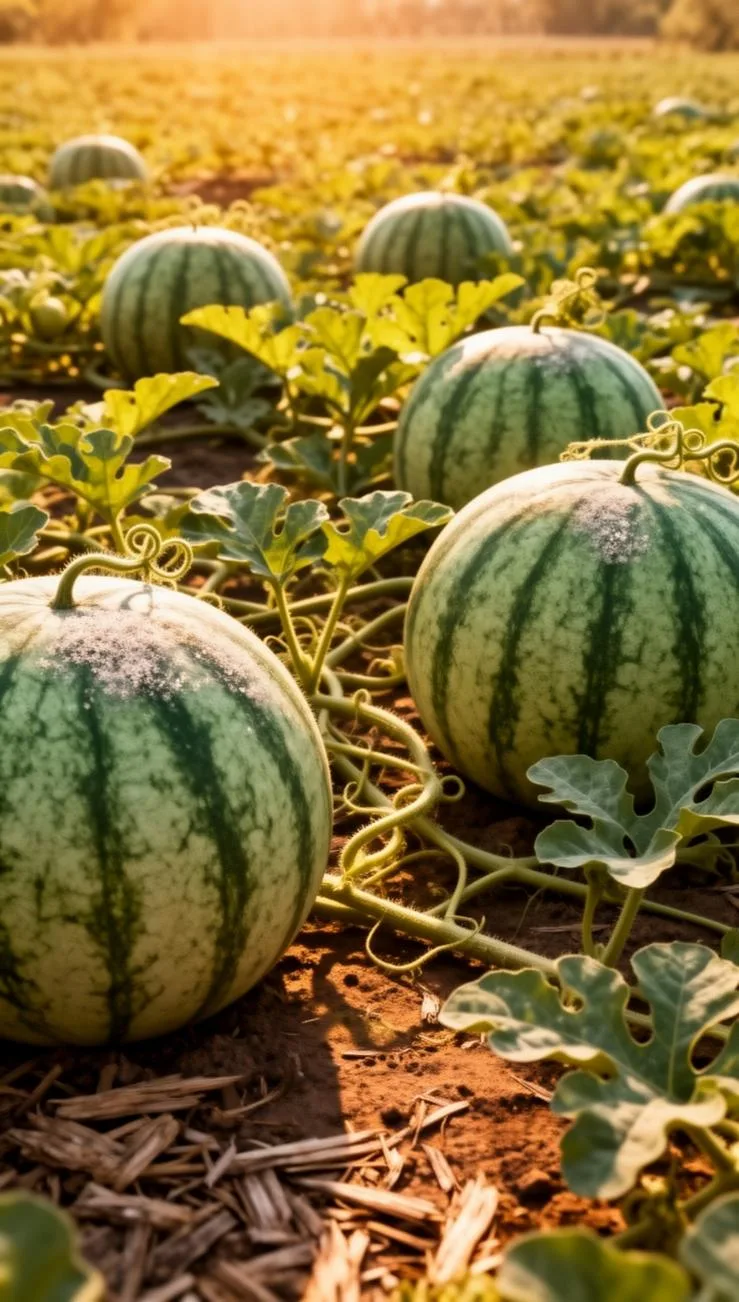
As mentioned earlier, zucchini plants get huge. Beginner gardeners often underestimate the spread of the leaves and plant them too close together. This creates a humid microclimate under the canopy that leads to powdery mildew, a white fungal coating that can kill the plant prematurely.
Tools or Materials Needed
- Quality Seeds: Choose organic or heirloom seeds for the best flavor profiles.
- Garden Trowel: Essential for digging planting holes and moving compost.
- Compost or Fertilizer: A balanced 10-10-10 organic fertilizer or rich aged compost.
- Mulch: Straw, shredded leaves, or bark to keep moisture in and weeds out.
- Pruning Shears: To harvest the fruit without damaging the main stem.
- Soaker Hose: The best tool for delivering water directly to the roots.
Seasonal or Climate Considerations
In the North, your biggest challenge is the short growing season. Using black plastic mulch to pre-warm the soil can give you a two-week head start. In the South, the heat and humidity are your primary concerns. Choosing heat-tolerant varieties and ensuring early morning watering will help the plants survive the blistering July sun. No matter where you live, always keep an eye on the local frost dates; one night of 32°F weather will likely kill an unprotected zucchini plant.
Benefits of Growing Zucchini
Beyond the obvious benefit of fresh food, zucchini is a nutritional powerhouse. It is low in calories but high in Vitamin A, Manganese, and antioxidants like lutein. Growing it yourself ensures you are eating produce free from synthetic pesticides found in commercial farming. Furthermore, the large leaves of the zucchini plant act as a “living mulch,” shading the soil around the base and helping to suppress weeds once the plant is fully established.
Alternative Methods
Vertical Trellising
If you are short on space, you can train your zucchini to grow up a sturdy trellis or cattle panel. You will need to tie the main stem to the support as it grows, as zucchini don’t have natural tendrils like cucumbers. This keeps the fruit off the ground and improves air circulation immensely.
Grow Bags and Containers
You can successfully grow this crop in a 5-gallon or 10-gallon grow bag. This is an excellent option for apartment dwellers with sunny balconies. Ensure you use a high-quality potting mix rather than garden soil, as containers need superior drainage to thrive.
Conclusion
Taking the time to grow zucchini is one of the most fulfilling projects a gardener can undertake. It is a crop that rewards even a small amount of effort with a massive bounty of nutritious, delicious vegetables. By selecting a sunny spot, preparing rich soil, and following a reliable zucchini planting guide, you can avoid common pitfalls like powdery mildew or poor pollination.
Remember to keep your watering consistent, harvest the fruit while it is young and tender, and don’t be afraid to try new varieties. Gardening is a journey of constant learning, and the zucchini plant is a patient, generous teacher. So, grab your trowel, clear some space in your garden bed, and get ready for a summer filled with the freshest squash you have ever tasted.
Frequently Asked Questions
1. Why are my zucchini falling off before they grow?
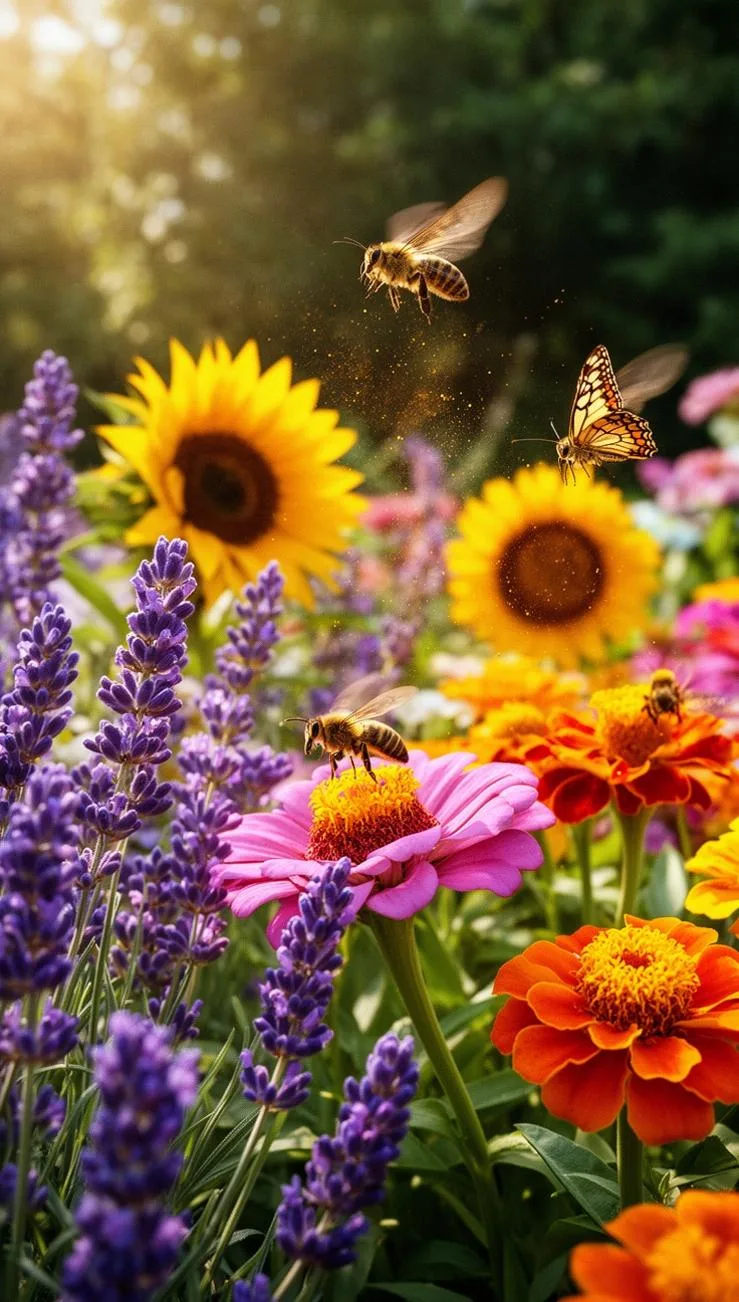
This is usually due to poor pollination. If bees aren’t visiting your garden, the female flower won’t develop into fruit. You can fix this by planting bee-friendly flowers nearby or hand-pollinating the blooms yourself using a small paintbrush.
2. How often should I fertilize my plants?
If you started with rich compost, you might only need to add a balanced organic fertilizer once the first flowers appear. Over-fertilizing with nitrogen can lead to massive leaves but very little fruit.
3. What is the white powder on my leaves?
That is Powdery Mildew, a common fungal disease. You can treat it with a mixture of water and baking soda or neem oil. Improving airflow and avoiding overhead watering are the best ways to prevent it from returning.
4. Can I grow zucchini in the shade?
Zucchini will survive in partial shade, but you will get fewer fruits and the plant will be more prone to disease. For a healthy harvest, aim for full sun (at least 6 hours).
5. How do I stop squash vine borers?
These pests are tough! You can protect young plants by wrapping the base of the stem with aluminum foil or using row covers until the plants start to flower. Check the stems regularly for small holes or sawdust-like “frass.”