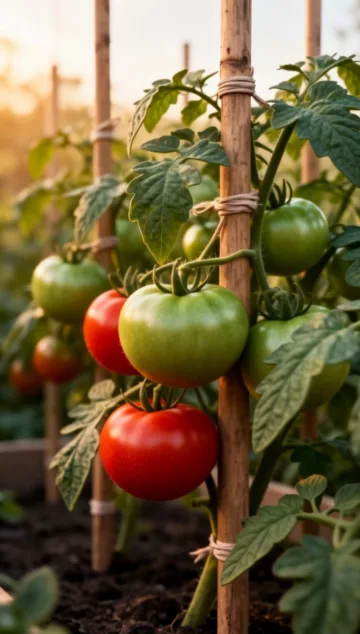
The Ultimate Guide to Juicy Homegrown Harvests
There is nothing quite like the taste of a sun-ripened tomato picked straight from the vine. If you have ever been disappointed by the mealy, flavorless options at the grocery store, you are in the right place. Learning how to grow tomatoes is a rite of passage for every gardener, offering a rewarding experience that combines science, patience, and a bit of dirt under the fingernails. Whether you have a sprawling backyard or a sunny balcony, this tomato planting guide will walk you through everything you need to know to transform a tiny seedling into a heavy-producer of delicious fruit.
Understanding Tomato Basics
Determinate vs. Indeterminate
Before you buy your seeds or starts, you need to understand the two main growth habits of tomatoes. Determinate varieties, often called “bush” tomatoes, grow to a fixed size (usually 3–4 feet), ripen all their fruit at once, and then stop producing. These are perfect for canning or small spaces. Indeterminate varieties are vining plants that continue to grow and produce fruit until the first frost. These require tall stakes or heavy-duty cages but provide a steady harvest all summer long.
Heirloom vs. Hybrid
Heirlooms are varieties that have been passed down for generations, prized for their unique colors and exceptional flavor. However, they can be more susceptible to disease. Hybrids are cross-bred specifically for disease resistance, uniformity, and high yields. For beginners, a mix of both is often the best strategy.
Selecting the Right Location
The Power of Sunlight
Tomatoes are sun-worshippers. To get the best flavor and a healthy plant, you need a spot that receives at least 6 to 8 hours of direct sunlight every day. Without enough sun, your plants will become “leggy” (tall and thin) and produce very little fruit.
Soil Quality and Drainage
Your soil is the foundation of your success. Tomatoes prefer slightly acidic soil (pH 6.2 to 6.8) that is rich in organic matter. More importantly, the soil must drain well. Tomatoes hate “wet feet,” which can lead to root rot and other fungal issues. If your backyard has heavy clay, consider planting in raised beds or large containers.
Step-by-Step Instructions for Success
Ready to get your hands dirty? Follow these steps to grow tomatoes that will be the envy of your neighborhood. This tomato planting guide focuses on the “deep planting” method, which is the secret to a robust root system.
- Prep the Hole: Dig a hole deeper than the current root ball of your seedling. Mix in a handful of compost or aged manure to provide a slow-release nutrient boost.
- The Deep Plant Technique: Unlike most plants, tomatoes should be buried deep. Remove the bottom few sets of leaves and place the plant in the hole so that only the top few inches of the plant are above the soil. The stem will grow extra roots all along the buried portion, making the plant stronger and better able to find water.
- Water Immediately: Give your new transplant a long, soaking drink to settle the soil around the roots and reduce transplant shock.
- Install Support: Put your stakes or cages in place now. If you wait until the plant is large, you risk damaging the roots by driving the support into them.
Tips from Experienced Gardeners
Water Deeply and Consistently
The biggest secret to preventing cracked fruit and blossom end rot is consistent moisture. Rather than a light sprinkle every day, give your plants a deep soaking twice a week. Aim the water at the base of the plant; wetting the foliage can encourage diseases like early blight.
Mulch is Your Best Friend
Apply a 2-inch layer of organic mulch, such as straw or shredded bark, around your plants. This keeps the soil temperature stable, conserves moisture, and prevents soil-borne diseases from splashing up onto the leaves during rain.
The “Pinch” Method
If you are growing indeterminate varieties, “suckers”—the small shoots that grow in the crotch between the main stem and a branch—should be pinched off. This directs the plant’s energy toward fruit production rather than excess foliage.
Common Mistakes to Avoid
Planting Too Early
Tomatoes are tropical plants. Putting them in the ground when the soil is still cold or there is a threat of frost will stunt their growth or kill them outright. Wait until nighttime temperatures are consistently above 50°F (10°C).
Crowding the Plants
It is tempting to squeeze in one more seedling, but tomatoes need airflow. Poor circulation leads to humidity buildup, which is an invitation for fungus and pests. Space your plants at least 24 to 36 inches apart.
Over-Fertilizing with Nitrogen
Too much nitrogen will give you a massive, beautiful green bush but zero tomatoes. Once the plant starts flowering, switch to a fertilizer higher in phosphorus and potassium to encourage fruit development.
Tools and Materials Needed
- High-Quality Seedlings: Look for stocky plants with dark green leaves and no visible pests.
- Hand Trowel: For digging holes and mixing in soil amendments.
- Support System: Sturdy metal cages, wooden stakes, or a trellis system.
- Watering Can or Soaker Hose: A soaker hose is ideal for delivery water directly to the soil.
- Garden Ties: Use soft twine or strips of old t-shirts to tie the stems to supports without cutting into the plant.
- Organic Fertilizer: An N-P-K ratio like 5-10-10 is excellent for fruiting stages.
Seasonal and Climate Considerations
Dealing with Extreme Heat
In very hot climates (90°F+), tomato pollen can become sterile, causing “blossom drop.” In these areas, providing 30% shade cloth during the hottest part of the afternoon can help the plants continue to set fruit.
The Short Growing Season
If you live in a northern climate with a short summer, choose “early season” varieties like ‘Early Girl’ or ‘Fourth of July.’ These are bred to mature in 50–60 days rather than the 80–90 days required by some beefsteak varieties.
Benefits of Growing Your Own Tomatoes
Superior Nutrition and Flavor
Homegrown tomatoes are allowed to ripen fully on the vine, which maximizes their sugar content and vitamins. Lycopene, a powerful antioxidant, is found in much higher concentrations in vine-ripened fruit compared to those picked green for shipping.
Variety Beyond the Supermarket
When you grow your own, you have access to thousands of varieties. From the tiny, candy-sweet ‘Sun Gold’ cherry tomatoes to the massive, ribbed ‘Costoluto Genovese,’ the diversity of shapes, colors, and flavors is staggering.
Alternative Methods: Containers and Straw Bales
Container Gardening
If you only have a patio, you can still have a harvest. Use a pot that holds at least 5 gallons of soil. Choose “Patio” or “Dwarf” varieties specifically bred for confined spaces. Remember that containers dry out much faster than the ground, so you may need to water daily.
Straw Bale Gardening
This is a fantastic “no-dig” method. You condition a bale of straw with fertilizer and water until it begins to decompose internally, then plant your seedlings directly into the top of the bale. It provides excellent drainage and raises the plants up, making them easier to reach.
Conclusion
Embarking on a journey to grow tomatoes is one of the most fulfilling projects a gardener can undertake. By selecting the right variety for your space, preparing your soil with care, and following a reliable tomato planting guide, you ensure a season filled with vibrant colors and unbeatable flavors. Remember that gardening is a learning process; every season brings new challenges and successes. With the right amount of sun, water, and patience, you will soon be enjoying the incomparable experience of a home-harvested tomato salad. Happy planting!
Frequently Asked Questions
1. Why are my tomato leaves turning yellow?
Yellow leaves can be caused by several factors, but the most common are overwatering or a nitrogen deficiency. If the bottom leaves turn yellow first, it may be a sign of early blight. Remove the affected leaves to prevent the spread of fungus.
2. How often should I fertilize my tomatoes?
Start with compost at planting time. Once the first fruits are the size of a golf ball, apply a balanced organic fertilizer every 4 weeks throughout the growing season.
3. Do I need to pollinate my own tomato plants?
No, tomatoes are self-pollinating. Wind and bees usually do the work by vibrating the flowers. However, if you are growing in a greenhouse, you might need to gently shake the plants to help the pollen drop.
4. Can I grow tomatoes from the seeds of a store-bought tomato?
You can, but it is risky. Most store tomatoes are hybrids, meaning their seeds won’t grow “true to type.” You might end up with a plant that produces very different, often inferior, fruit. It is better to buy specific seed packets.
5. Why do my tomatoes have a black spot on the bottom?
This is known as Blossom End Rot. It is usually caused by a calcium deficiency in the fruit, often triggered by inconsistent watering. Ensure your soil stays evenly moist so the plant can effectively transport calcium to the developing tomatoes.