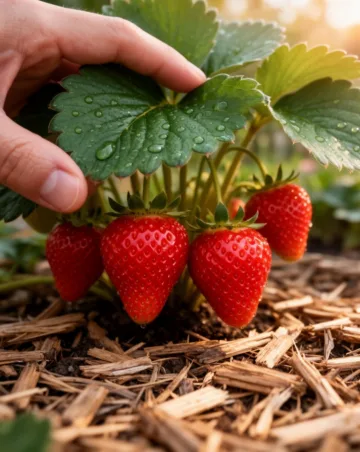
Starting a Strawberry Patch: The Ultimate Manual for a Sweet Spring Harvest
Welcome to the World of Homegrown Berries
There is no flavor that quite compares to a sun-ripened strawberry picked straight from your own backyard. If you have ever felt disappointed by the bland, crunchy berries found in grocery stores, you are in for a treat. Learning how to grow strawberries spring after spring allows you to enjoy fruit that is bursting with sugar and aroma. Whether you have a sprawling garden or a tiny balcony, these resilient perennials are surprisingly easy to cultivate if you start with the right foundation. In this strawberry planting guide, we will explore everything you need to know to transform a few small runners into a bountiful harvest that will have your family begging for more.
Understanding Strawberry Varieties
June-Bearing Strawberries
June-bearers are the traditional favorites for those who want a massive harvest all at once. They produce one large crop over a period of two to three weeks, typically in early summer. These are ideal if you plan on making jams, preserves, or freezing your fruit for later use. Popular varieties include ‘Jewel’ and ‘Seneca’.
Ever-Bearing Strawberries
Contrary to their name, ever-bearing varieties don’t produce fruit “forever.” Instead, they usually provide two to three distinct harvests: one in the spring, one in mid-summer, and a final flush in the autumn. They are great for consistent snacking throughout the warmer months.
Day-Neutral Strawberries
These are the modern superstars for small spaces. Day-neutral plants are not sensitive to the length of the day, meaning they will continue to produce flowers and fruit as long as temperatures remain between 35°F and 85°F. If you want a handful of berries every few days from June until the first frost, these are for you.
Selecting the Perfect Spot
Sunlight Requirements
Strawberries are solar-powered. To get the sweetest fruit, your plants need a minimum of six to eight hours of direct sunlight. While they can grow in partial shade, you will find that the yields are lower and the berries are significantly more acidic.
Soil Composition and Drainage
These plants loathe “wet feet.” They require well-draining soil rich in organic matter. A sandy loam is ideal. If your backyard consists of heavy clay, consider building a raised bed or using containers to ensure excess water can escape easily. The ideal pH for strawberries is slightly acidic, falling between 5.5 and 6.8.
Step-by-Step Instructions for Success
Timing is everything when you decide to grow strawberries spring season. You want to get your plants in the ground as soon as the soil is workable and the threat of hard frost has passed. Following a reliable strawberry planting guide ensures that your young plants establish deep roots before the heat of summer arrives.
1. Prepare the Site
Clear the area of all weeds and grass. Strawberries do not compete well with aggressive weeds. Dig in about two inches of aged compost or well-rotted manure to provide a slow-release nutrient boost.
2. Dig the Planting Holes
Space your holes about 18 inches apart. If you are planting multiple rows, keep the rows 2 to 3 feet apart. This gives the “runners” (baby plants) plenty of room to fill in the gaps over time.
3. The Most Important Step: Proper Depth
Look closely at the plant. You will see the “crown,” which is the thick woody part where the leaves emerge. You must plant the strawberry so that the midpoint of the crown is at the soil level. If you bury the crown, it will rot. If you leave it too high, the roots will dry out and die.
4. Water and Mulch
Water the plants immediately after setting them in the dirt. Apply a two-inch layer of clean straw or shredded leaves around the plants. This keeps the berries off the soil (preventing rot) and helps retain moisture.
Tips from Experienced Gardeners
Pinch the First Blossoms
It sounds heartbreaking, but for June-bearing varieties, you should pinch off all the flowers during the first year. This forces the plant to put its energy into building a massive root system and healthy runners rather than one or two small berries. Your harvest in the second year will be significantly larger because of this sacrifice.
Renovate Your Patch
After the harvest is over for June-bearers, mow the foliage down to about one inch above the crowns and fertilize. This “renovation” stimulates new growth and keeps the patch productive for 3-5 years.
Attract Pollinators
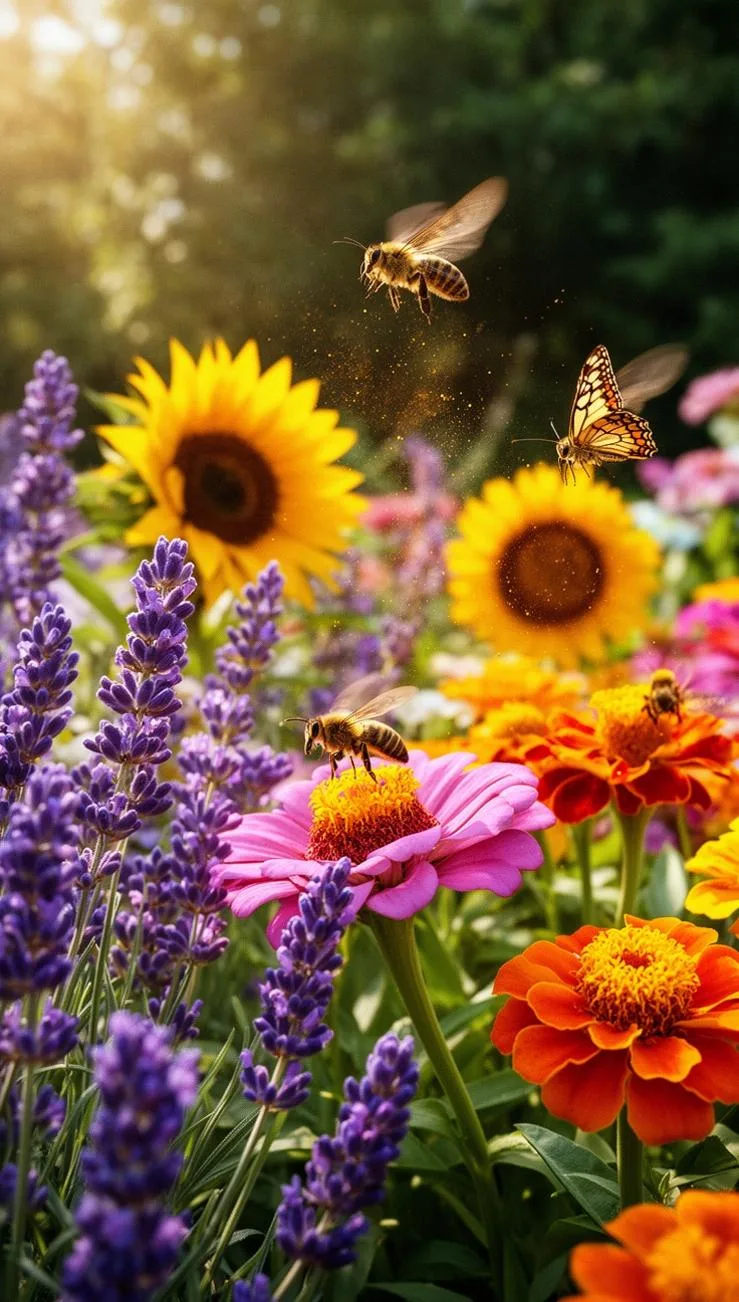
While strawberries are self-fertile, having bees and butterflies in the garden leads to much larger, better-shaped fruit. Plant companion flowers like borage or marigolds nearby to keep the pollinators coming.
Common Mistakes to Avoid
Using Field Soil in Pots
If you are planting in containers, never use garden soil. It is too heavy and will compact, suffocating the roots. Always use a high-quality potting mix designed for containers.
Over-Fertilizing with Nitrogen
Too much nitrogen will give you beautiful, lush green leaves but absolutely no fruit. Use a balanced fertilizer (like a 10-10-10) or one slightly higher in phosphorus to encourage blooming.
Crowding the Plants
Strawberries need airflow. If you plant them too close together, you create a humid microclimate that invites powdery mildew and gray mold (Botrytis). Stick to the recommended spacing.
Tools and Materials Needed
- Healthy Strawberry Sets: Bare-root crowns or potted starts from a reputable nursery.
- Hand Trowel: For digging precise holes.
- Organic Compost: For soil enrichment.
- Straw or Pine Needles: For mulching (pine needles help slightly acidify the soil).
- Balanced Fertilizer: To support growth throughout the season.
- Garden Hose or Soaker Hose: Consistent moisture is vital during fruit development.
Seasonal and Climate Considerations
In cooler northern climates, planting in the spring is the standard. However, if you live in a very warm climate (like Florida or Southern California), strawberries are often grown as winter annuals. For most of us, the spring window is short. Aim to plant when daytime temperatures are consistently in the 60s. If an unexpected late-spring frost is predicted, be prepared to cover your flowering plants with a frost blanket or old bedsheets to protect the delicate blossoms.
Benefits of Growing Your Own Strawberries
Beyond the superior taste, growing strawberries is incredibly space-efficient. You can grow them in hanging baskets, vertical towers, or even as a decorative groundcover in your landscaping. They are also packed with Vitamin C, fiber, and antioxidants. For families, a strawberry patch is a “gateway” garden—it’s the perfect way to get children excited about eating healthy food because the reward is so sweet and immediate.
Alternative Methods: Hydroponics and Vertical Tiers
If you have limited ground space or poor soil, don’t give up. Vertical gardening is a fantastic alternative. Strawberry towers allow you to grow 20 or 30 plants in the footprint of a single square foot. Another popular method is hydroponics, where plants are grown in nutrient-rich water. This method almost entirely eliminates soil-borne pests and diseases, though it does require a bit more technical setup and monitoring of pH and nutrient levels.
Conclusion
Taking the time to grow strawberries spring after spring is one of the most rewarding investments a gardener can make. By choosing the right variety for your needs and following a solid strawberry planting guide, you set yourself up for years of delicious harvests. Remember to plant at the correct depth, keep the soil moist but not soggy, and don’t be afraid to pinch those early blossoms to build a stronger plant. With a little patience and some sunshine, you’ll soon be enjoying the incomparable taste of home-grown berries that leave store-bought versions in the dust. Happy gardening!
Frequently Asked Questions
1. How long does it take for strawberries to fruit?
If you plant day-neutral or ever-bearing varieties, you can expect fruit in the first year, usually within 60-90 days. June-bearing varieties are best harvested in their second year for the highest quality fruit.
2. How often should I water my strawberry plants?
Strawberries have shallow roots. They generally need about 1 to 2 inches of water per week. During the fruiting stage, make sure the soil remains consistently moist but never waterlogged.
3. Do I need to replant strawberries every year?
No, strawberries are perennials. They will come back every year. However, their productivity usually declines after 3 to 4 years, at which point you should let the runners establish into new “daughter” plants and remove the “mother” plants.
4. What is the best mulch for strawberries?
Straw is the classic choice because it is clean and reflects light. Pine needles are also excellent as they are acidic and don’t mat down easily. Avoid using heavy wood chips, which can tie up nitrogen in the soil.
5. Why are my strawberries small and misshapen?
Poor pollination is the most common cause of misshapen berries. Inconsistent watering or a lack of nutrients during the flowering stage can also result in smaller fruit.