The Ultimate Guide to Sun-Loving Aubergines: From Seed to Harvest
The Joy of Cultivating Your Own Summer Bounty
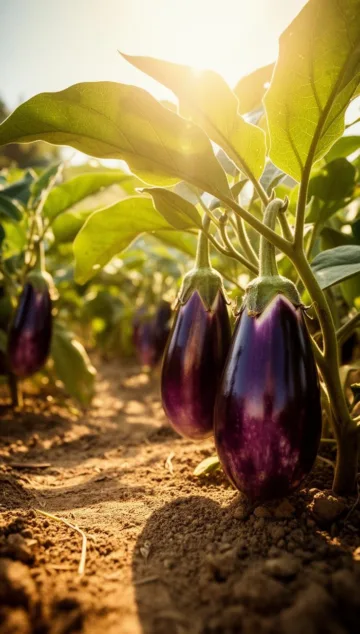
There is something profoundly satisfying about watching the glossy, deep purple skin of a ripening fruit shimmer under the summer sun. Whether you call them eggplants or aubergines, these heat-loving members of the nightshade family are a centerpiece of Mediterranean and Asian cuisines. Many home gardeners are intimidated by their reputation for being “fussy,” but once you understand their basic needs, you will find they are incredibly rewarding. This eggplant planting guide is designed to demystify the process, helping you transition from a curious observer to a confident harvester. When you learn how to grow eggplant successfully, you unlock a world of culinary possibilities, from smoky baba ganoush to hearty eggplant parmesan, all sourced directly from your backyard.
Understanding the Varieties
Choosing the Right Cultivar
Not all eggplants are created equal. Depending on your culinary preferences and garden space, you might choose:
- Italian Varieties: Classic teardrop shapes like ‘Black Beauty’ are meaty and versatile.
- Asian Varieties: Long, slender types like ‘Ichiban’ or ‘Ping Tung’ have thinner skins and a milder flavor.
- Ornamental/Compact Types: Varieties like ‘Patio Baby’ or ‘Fairytale’ are perfect for container gardening on small balconies.
- Unique Colors: Explore white ‘Casper’ varieties or green ‘Thai’ eggplants for a splash of color.
Site Selection and Soil Preparation
The Power of Solar Energy
Eggplants are subtropical perennials grown as annuals in most climates. They crave heat. Your planting site must receive at least 6 to 8 hours of direct sunlight. If you live in a cooler northern climate, consider planting near a south-facing brick wall to take advantage of reflected heat.
Soil Requirements
These plants are “heavy feeders.” They prefer well-draining, fertile soil with a pH between 5.5 and 7.2. Two weeks before planting, work in plenty of aged compost or well-rotted manure to provide a nitrogen-rich foundation.
Timing and Temperature
Waiting for the Warmth
The biggest mistake beginners make is planting too early. Eggplants will “pout” if the soil is cold, potentially stunting their growth for the entire season. Wait until nighttime temperatures are consistently above 50°F (10°C) and the soil temperature has reached at least 60°F (16°C).
Step-by-Step Instructions for Success
To grow eggplant that yields a heavy harvest, you must follow a disciplined approach to transplanting and early care. Follow this eggplant planting guide to ensure your seedlings thrive from the moment they hit the dirt:
1. Start Seeds Indoors
In most zones, you should start seeds indoors 8–10 weeks before the last frost. Use a seedling heat mat to keep the soil at a steady 75°F–85°F to encourage germination, which can take up to 14 days.
2. Hardening Off
About a week before transplanting, gradually introduce your indoor seedlings to the outside world. Start with one hour of indirect sunlight and slowly increase the duration and intensity.
3. The Planting Process
Dig a hole twice as wide as the root ball. Space plants 18 to 24 inches apart in rows 30 inches apart. If you are using containers, choose at least a 5-gallon pot per plant. Place the seedling at the same depth it was in its nursery pot and firm the soil gently.
4. Initial Watering
Water deeply immediately after planting to settle the roots and eliminate air pockets.
Nurturing Your Plants Through the Season
Watering Consistency
Consistency is the secret to bitter-free fruit. Aim for 1 inch of water per week, preferably applied via drip irrigation or a soaker hose at the base of the plant to keep the foliage dry and prevent fungal diseases.
Feeding Schedule
Once the first flowers appear, side-dress the plants with a balanced organic fertilizer or a compost tea. Avoid high-nitrogen fertilizers at this stage, or you’ll end up with beautiful leaves but no fruit.
Pollination Needs
Eggplants have “perfect” flowers (containing both male and female parts) and are primarily self-pollinating via wind. However, if you see flowers dropping without producing fruit, gently shake the plants or use a small paintbrush to move pollen around.
Tips from Experienced Gardeners
Stake Them Early
Even though they look like sturdy bushes, the weight of the fruit can snap branches. Place wood stakes or tomato cages around the plants at the time of planting to avoid disturbing the roots later.
Mulching for Moisture
Apply a thick layer of straw or shredded leaves once the soil has warmed up. This suppresses weeds and keeps moisture levels stable, which is critical during July and August heatwaves.
Pruning for Size
In shorter growing seasons, pinch off the terminal buds (the tips of the plant) about 4 weeks before the first expected frost. This forces the plant to put its remaining energy into ripening the existing fruit rather than growing more leaves.
Common Mistakes to Avoid
Planting in Cold Soil
As mentioned, cold soil is an eggplant’s nemesis. If you must plant early, use black plastic mulch to pre-heat the soil for two weeks prior to transplanting.
Neglecting Pest Scouting
Flea beetles are the most common enemy of the eggplant. They chew tiny “shotholes” in the leaves. Use row covers on young plants until they are large enough to withstand the damage, or apply neem oil if infestations become severe.
Harvesting Too Late
An overripe eggplant is bitter and spongy. Harvest when the skin is still glossy and firm. If the skin turns dull, it is past its prime and the seeds inside have likely become hard and bitter.
Tools and Materials Needed
To set yourself up for success, gather these items before you begin:
- Quality Seeds: Choose a variety suited for your specific hardiness zone.
- Seedling Heat Mat: Essential for indoor germination in cooler homes.
- Organic Compost: For soil enrichment.
- Mulch: Straw, wood chips, or black plastic.
- Stakes or Cages: To support heavy fruit.
- Pruning Shears: To harvest the fruit without damaging the brittle stems.
Seasonal and Climate Considerations
Hot Climates
In places like Florida or Arizona, eggplants can be grown as a fall crop or even overwintered. You may need to provide some afternoon shade during the most intense summer months to prevent sunscald on the fruit.
Cool Climates
Gardeners in the North should prioritize short-season varieties like ‘Early Resurrection’ or ‘Oriental Express.’ Using “Wall-o-Water” insulators or cloches can help gain a few weeks on both ends of the season.
Benefits of This Gardening Method
Growing your own eggplant offers advantages you simply cannot find at a grocery store:
- Texture Maturity: Store-bought eggplants are often picked underripe or have sat in cold storage, which ruins their texture. Home-grown fruit is creamier.
- Variety Access: You can grow white, striped, or neon-pink varieties that are rarely found in commercial markets.
- Pesticide Control: You have 100% control over what touches your food, allowing for a truly organic harvest.
Alternative Methods: Container and Vertical Growing
Container Gardening
Eggplants are fantastic candidates for pots. Because pots warm up faster than the ground, container-grown plants often start producing sooner. Ensure your pot has excellent drainage and use a high-quality potting mix rather than garden soil.
Vertical Training
While they aren’t natural climbers, you can train long, slender Asian varieties up a trellis to save space in small gardens. This keeps the fruit off the ground and improves air circulation, reducing the risk of rot.
Conclusion
Transitioning from a curious gardener to an aubergine expert is a journey of patience and warmth. By selecting the right variety, waiting for the soil to heat up, and maintaining consistent moisture, you can enjoy a massive harvest of these versatile fruits. Remember that this eggplant planting guide is a roadmap, but the best lessons come from getting your hands in the dirt. As you learn to grow eggplant in your specific microclimate, you’ll discover the nuances of your soil and the preferences of your plants. Happy gardening, and may your summer be filled with the most delicious, glossy harvests imaginable!
Frequently Asked Questions
1. Why are my eggplant leaves full of tiny holes?
This is most likely the work of flea beetles. While mature plants can usually handle the damage, young seedlings may need protection with floating row covers or a light dusting of diatomaceous earth.
2. Why is my eggplant fruit turning yellow?
Yellowing is usually a sign that the fruit is overripe. Most purple varieties will lose their gloss and take on a yellowish or brownish tint when they are past their peak. Harvest sooner next time!
3. Do eggplants need a lot of water?
Yes, they require consistent moisture. Drying out completely can cause the flowers to drop and the fruit to become bitter. Aim for deep watering twice a week rather than light daily sprinkling.
4. Can I grow eggplant in a shady spot?
Unfortunately, no. Eggplants are sun-worshippers. In the shade, they will become leggy, produce few flowers, and be much more susceptible to pests and diseases.
5. How do I know when to harvest?
Check for glossiness. Press the skin gently with your thumb; if the indentation fills back in immediately, it’s ready. If the skin is hard and doesn’t give, it needs more time. If the dent stays, it may be overripe.