The Ultimate Guide to Effortless Blooms: Mastering the Art of Beautiful Cosmos in Your Garden
Welcome to the World of Easy-Care Annuals
There is perhaps no flower that embodies the joy of a summer garden quite like the cosmos. With their feathery foliage and vibrant, daisy-like petals swaying in the breeze, they are the quintessential choice for anyone looking to add a touch of whimsy to their landscape. Whether you are a first-time gardener or an experienced horticulturalist, the desire to grow cosmos is often driven by their reputation for being “unfussy.” They thrive where other plants fail, turning poor soil into a sea of color. In this cosmos flower guide, we will explore how these nectar-rich blooms can transform your outdoor space into a pollinator paradise with minimal effort on your part.
Understanding the Cosmos Family
Before you get your hands in the dirt, it is helpful to know exactly what you are planting. Most garden varieties belong to one of two main species: Cosmos bipinnatus and Cosmos sulphureus.
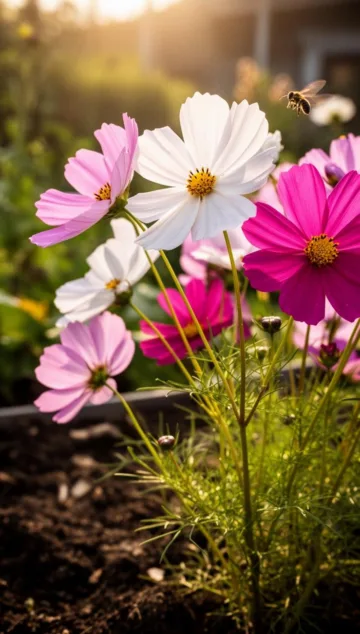
Sensation Series (Cosmos bipinnatus)
These are the classics. They feature delicate, fern-like leaves and large flowers in shades of pink, white, and burgundy. They can grow quite tall, sometimes reaching four to five feet, making them perfect for the back of a flower bed.
Sulphur Cosmos (Cosmos sulphureus)
If you prefer warm tones, these are for you. They offer shades of bright yellow, orange, and fire-engine red. Their leaves are slightly broader than the Sensation series, and they tend to be more heat-tolerant, making them ideal for southern climates.
Chocolate Cosmos (Cosmos atrosanguineus)
For something truly unique, the chocolate cosmos offers dark, velvety maroon petals and a distinct scent reminiscent of dark chocolate. Unlike the others, these are usually grown from tubers and treated as perennials in warmer zones.
The Perfect Conditions for Success
To get the most out of your plants, you need to mimic their native environment of Mexico and the southern United States. They love sun and are surprisingly drought-tolerant once established.
Sunlight Requirements
Cosmos are sun-worshippers. They need at least 6 to 8 hours of direct sunlight a day. If they are planted in too much shade, they will become “leggy”—meaning they grow tall and thin with very few flowers.
Soil Preferences
Here is a secret that many new gardeners find hard to believe: cosmos actually prefer poor soil. If your soil is too rich or you use too much fertilizer, you will get lush, green foliage but very few blooms. Avoid adding heavy compost or manure to the area where you intend to plant them.
Your Seasonal Step-by-Step Instructions
Growing these flowers is one of the most rewarding projects you can undertake. Follow this simple process to grow cosmos successfully this season. By using this cosmos flower guide, you ensure that your garden remains vibrant from early summer until the first frost of autumn.
Step 1: Timing Your Planting
In most regions, it is best to sow seeds directly into the garden after the danger of frost has passed. Cosmos are very sensitive to cold, so wait until the soil has warmed up to at least 65°F (18°C).
Step 2: Preparing the Bed
Lightly rake the soil to break up any large clumps. You don’t need to dig deep; just a surface loosening is enough. Remove any weeds that might compete with your seedlings for moisture.
Step 3: Sowing the Seeds
Scatter the seeds across the soil surface or plant them about 1/4 inch deep. Space them roughly 12 to 18 inches apart. If you are planting tall varieties, closer spacing can actually help the plants support one another as they grow.
Step 4: Initial Watering
Water the area gently with a fine mist setting on your hose. Keep the soil moist but not soggy until the seeds germinate, which usually takes between 7 to 21 days.
Step 5: Thinning the Seedlings
Once the seedlings are 3 inches tall, thin them out so they have enough room to breathe. Good air circulation is key to preventing powdery mildew later in the season.
Tips from Experienced Gardeners
If you want your garden to look like a professional display, try these “pro tips” that seasoned horticulturalists swear by:
- The Pinching Technique: When your plants are about 12 inches tall, pinch off the center stem just above a leaf node. This encourages the plant to branch out, resulting in a bushier shape and more flowers.
- Staking Tall Varieties: Because they grow so quickly, tall cosmos can fall over in heavy rain or wind. Use bamboo stakes or a “flanking” method with twine to keep them upright.
- Deadheading is Key: To keep the blooms coming, you must remove faded flowers. This prevents the plant from putting its energy into seed production and forces it to create new buds.
Common Mistakes to Avoid
Avoid these frequent pitfalls to ensure your gardening experience is stress-free:
- Over-fertilizing: As mentioned before, nitrogen-rich fertilizers are the enemy of cosmos blooms. If you must fertilize, use a phosphorus-heavy blend sparingly.
- Starting Too Early Indoors: While you can start seeds indoors, they grow so fast that they often become root-bound and stressed before the weather is warm enough to transplant them. Direct sowing is almost always better.
- Overwatering: Mature plants are very drought-tolerant. Watering them every day can lead to root rot. Let the top inch of soil dry out between waterings.
Tools and Materials Needed
You don’t need a shed full of expensive equipment to get started. Here is the basic kit:
- High-quality seeds: Look for reputable brands or heirloom varieties.
- Hand rake or garden fork: To prep the soil surface.
- Watering can with a rose head: For gentle watering of delicate seedlings.
- Garden snips or scissors: Essential for pinching and deadheading.
- Bamboo stakes and twine: For supporting the taller varieties.
Seasonal and Climate Considerations
Cosmos are true summer annuals. In cooler climates (Zones 3-7), they provide a burst of color when spring bulbs have faded. In hotter climates (Zones 8-11), they can sometimes struggle in the peak humidity of mid-summer but will have a second “flush” of growth in the early autumn as temperatures begin to dip. If you live in a very windy area, consider planting the dwarf varieties, such as ‘Sonata Mix,’ which stay under 2 feet tall and are less likely to snap.
Benefits of Growing Cosmos
Why choose cosmos over other annuals?
1. Pollinator Magnet: They are one of the best plants for attracting bees, butterflies, and even hoverflies which eat aphids.
2. Excellent Cut Flowers: Their long stems and delicate look make them perfect for jars and vases. They can last up to 10 days in water if cut just as the petals are beginning to unfold.
3. Cost-Effective: A single packet of seeds costing a few dollars can fill an entire garden bed.
Alternative Methods: Indoor Starting
If you have a very short growing season, you might choose to start seeds indoors 4 to 6 weeks before the last frost. Use peat pots or compostable cells to minimize root disturbance, as cosmos do not like having their roots moved. Use a bright grow light to prevent the seedlings from stretching toward the window.
Conclusion
In summary, these cheerful annuals are the perfect addition to any garden, offering maximum visual impact for minimum effort. When you choose to grow cosmos, you are embracing a plant that rewards neglect with beauty and resilience. By following this cosmos flower guide, you now have the knowledge to select the right varieties, prepare your soil, and maintain a continuous bloom throughout the warmest months of the year. So, grab a packet of seeds, find a sunny spot, and get ready to enjoy one of nature’s most effortless floral displays.
Frequently Asked Questions (FAQs)
1. Do cosmos come back every year?
Most common varieties are annuals, meaning they live for only one season. However, they are prolific self-seeders. If you leave the last blooms on the plant at the end of autumn, they will drop seeds that often sprout on their own the following spring.
2. Why are my cosmos so tall but have no flowers?
This is usually caused by two things: too much nitrogen in the soil or not enough sunlight. Ensure they are in a spot with 8 hours of sun and stop using any fertilizers.
3. Can I grow cosmos in containers?
Absolutely! However, you should look for “dwarf” or “compact” varieties. Ensure the container has excellent drainage and use a standard potting mix without too much added fertilizer.
4. How long does it take for cosmos to bloom from seed?
Generally, you can expect to see your first flowers within 50 to 60 days of the seeds sprouting. They will continue to bloom until the first hard frost of the season.
5. Are cosmos edible?
While Cosmos sulphureus is sometimes used in certain cultures and the petals are technically non-toxic, they are not a common culinary herb. It is best to treat them as ornamental plants and keep them for the pollinators!