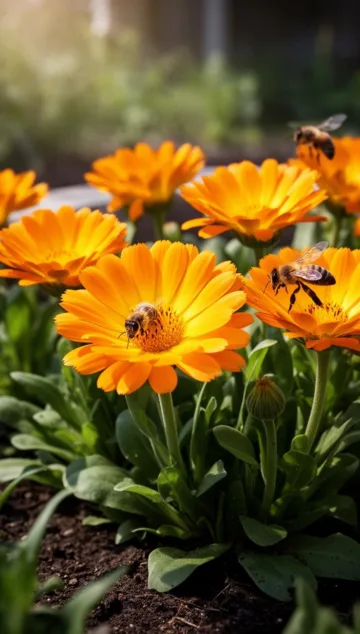
The Golden Secret of the Garden: How to Cultivate Pot Marigolds
Why Calendula Deserves a Spot in Your Garden
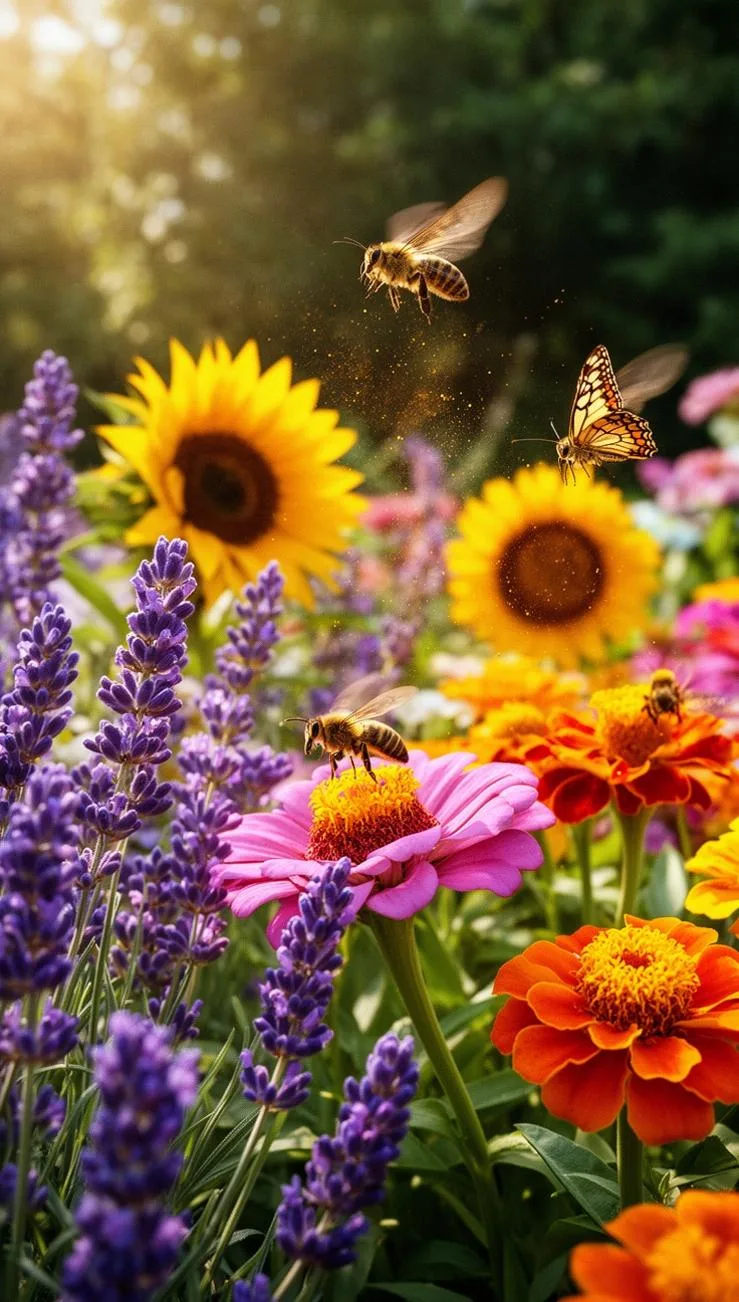
There are few plants that offer as much “bang for your buck” as the cheerful, sun-kissed calendula. Often referred to as “Pot Marigold” (though it is quite different from the common French marigold), this hardy annual is a powerhouse of versatility. Whether you are looking to add a splash of vibrant orange and yellow to your landscape, attract beneficial pollinators like hoverflies and bees, or harvest petals for homemade skincare salves, learning how to grow calendula is a rewarding endeavor for any hobbyist. This comprehensive calendula flower guide will walk you through everything you need to know to transform your garden into a glowing sanctuary of gold and amber hues.
Understanding the Calendula Character
Botanical Background
Calendula officinalis is native to southern Europe and the Mediterranean. Its name comes from the Latin word “kalendae,” which means the first day of the month, referring to the fact that it blooms during almost every month of the year in warmer climates. Unlike many delicate ornamentals, calendula is tough, frost-tolerant, and incredibly easy to manage, making it the perfect “confidence booster” plant for beginners.
Varieties to Explore
While the classic deep orange is the most medicinal and common, there are several cultivars to consider:
- Resina: Known for having the highest resin content, making it the gold standard for herbalists.
- Flashback: Features bicolor petals with muted, antique tones of peach and apricot.
- Pacific Beauty: A heat-tolerant variety that stands tall, perfect for cut flower arrangements.
- Touch of Red: Displays stunning petals with mahogany undersides.
Site Selection and Soil Preparation
Light Requirements
To see your plants thrive, aim for full sun. While they can tolerate partial shade, especially in scorching afternoon heat, you will notice more prolific flowering and sturdier stems if they get at least six to eight hours of direct sunlight. In very hot climates (Zone 9 and above), a bit of afternoon shade can actually prevent the plants from going dormant in mid-summer.
Soil Quality and Drainage
Calendula isn’t picky, but it hates “wet feet.” They prefer well-draining soil with a neutral pH. If you have heavy clay, mixing in some organic compost or aged manure will help improve the structure. They aren’t heavy feeders, so avoid high-nitrogen fertilizers which might give you lots of green leaves but very few of those iconic blossoms.
Step-by-Step Instructions for Success
Follow these simple steps to grow calendula from seed to bloom. This calendula flower guide simplifies the process so you can get started this weekend.
Step 1: Timing Your Planting
In most temperate climates, you should sow seeds directly in the garden as soon as the soil can be worked in early spring. They can handle a light frost. If you live in a region with mild winters, you can even sow them in late autumn for early spring color.
Step 2: Sowing the Seeds
The seeds are unique—curled and bumpy, looking a bit like tiny dried caterpillars. Plant them about 1/4 inch to 1/2 inch deep. Space seeds about 2 inches apart initially; you can thin them out later once they have a few sets of true leaves.
Step 3: Watering and Germination
Keep the soil consistently moist but not soggy until germination occurs, which usually takes 7 to 14 days. Once the seedlings are a few inches tall, you can decrease the frequency of watering, allowing the top inch of soil to dry out between sessions.
Step 4: Thinning and Spacing
To ensure good airflow—which prevents diseases like powdery mildew—thin your plants to stand about 8 to 12 inches apart. You can carefully transplant the thinned seedlings to other parts of the garden rather than throwing them away.
Step 5: Deadheading for Continuous Bloom
The more you pick, the more they bloom! Regularly pinch off faded flowers to encourage the plant to produce new buds. If you stop deadheading, the plant will focus its energy on seed production and stop flowering.
Tips from Experienced Gardeners
Pinch for Bushiness
If you want a bushier plant rather than a leggy one, pinch off the central stem of the young plant when it is about 6 inches tall. This encourages lateral branching and results in significantly more flower heads.
Succession Planting
Calendula has a tendency to “burn out” after a few months of intense blooming. To keep the color going until the first hard freeze, sow a second round of seeds in mid-summer. These will take over just as the spring-planted ones begin to fade.
Common Mistakes to Avoid
Over-Fertilizing
Too much love (in the form of fertilizer) can actually harm your calendula. Excessive nitrogen leads to lush foliage that attracts aphids and results in fewer flowers. A single application of compost at planting time is usually sufficient.
Crowding the Plants
It is tempting to leave all the seedlings in a dense row, but lack of airflow is the leading cause of fungal issues. Ensure there is enough space for a breeze to pass through the foliage to keep the leaves dry.
Ignoring the Blooms
If you forget to harvest or deadhead, the plant will quickly go to seed and become “scraggly.” Make it a habit to walk through your garden with a pair of snips every few days.
Tools and Materials Needed
- Quality Seeds: Choose organic or heirloom varieties if you plan to use them for tea or salves.
- Hand Trowel: For preparing the soil and digging small planting holes.
- Garden Snips: Sharp scissors or bypass pruners for clean harvests.
- Compost: A bag of well-aged organic compost to enrich the soil.
- Mulch: Straw or shredded bark to help retain moisture and suppress weeds.
- Watering Can with Rose Attachment: To provide a gentle spray that doesn’t wash away tiny seeds.
Seasonal and Climate Considerations
Cold Hardiness
Calendula is surprisingly cold-hardy. It can survive temperatures down to about 25°F (-4°C). In many cases, the flowers will remain bright and perks even after a light dusting of snow.
Summer Heat
In the high heat of July and August, the plants may look a bit tired. Don’t pull them out! Cut them back by half, give them a good watering, and they will likely “flush” back with a fresh set of growth and flowers as the temperatures cool in September.
Benefits of Growing Calendula
The “Garden Physician”
Calendula is often used as a “trap crop.” It attracts aphids, drawing them away from your precious vegetable crops like beans or peppers. It also draws in predatory insects like ladybugs that eat the pests.
Edible and Medicinal Uses
The petals are entirely edible and have a slightly peppery, citrus-like flavor. They have been used for centuries to color butter or rice (as a “poor man’s saffron”). Medicinally, calendula is prized for its antifungal and anti-inflammatory properties, making it a staple in natural first-aid kits.
Alternative Methods: Containers and Indoor Starts
Container Gardening
If you don’t have a yard, calendula grows beautifully in pots. Use a container that is at least 8 inches deep and has plenty of drainage holes. Use a high-quality potting mix rather than garden soil for best results.
Starting Indoors
While direct sowing is easiest, you can start seeds indoors 6 to 8 weeks before the last frost. Use peat pots or soil blocks, as calendula has a sensitive taproot and does not like being moved. Plant out carefully once the danger of heavy frost has passed.
Conclusion
Whether you are a seasoned horticulturist or a beginner with a single window box, the decision to grow calendula will bring beauty and utility to your gardening journey. This hardy, vibrant plant asks for very little but gives back in abundance—offering edible petals, medicinal benefits, and a helping hand with pest control. By following this calendula flower guide, you can ensure a long season of brilliant blooms that will brighten your garden and your home. So, grab a packet of seeds, find a sunny spot, and watch as these golden wheels of color transform your outdoor space into an extraordinary landscape.
Frequently Asked Questions
1. Is calendula the same as a Tagetes marigold?
No. While both are in the sunflower family, they are different genera. Calendula (Pot Marigold) has edible petals and medicinal uses, whereas Tagetes (French/African Marigolds) are primarily used for pest repellent and ornamentation and are not typically eaten in the same way.
2. Will calendula come back every year?
Calendula is technically an annual, meaning it completes its life cycle in one year. However, it is a prolific self-seeder. If you let a few flower heads go to seed at the end of the season, you will likely see new “volunteer” plants popping up the following spring.
3. Can I grow calendula in the shade?
It will grow in partial shade, but the plants will likely become leggy (long, weak stems) and produce fewer flowers. For the best result, aim for at least 6 hours of sun.
4. How do I harvest petals for tea?
Harvest the flowers when they are fully open. Pull the petals away from the green center (the calyx) and spread them out on a drying rack in a cool, dark place with good airflow. Once they are crispy-dry, store them in an airtight glass jar.
5. Why are the leaves of my plant turning white?
This is likely powdery mildew, a fungal disease common in humid weather or when plants are too crowded. Improve airflow by thinning the plants and try to water at the base of the plant rather than getting the leaves wet.