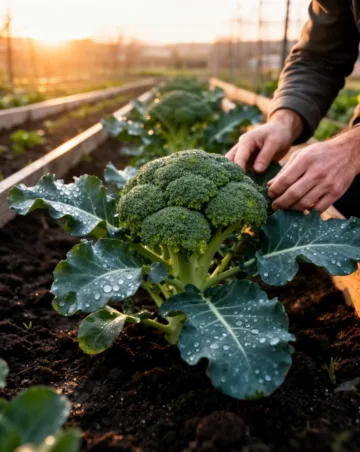
The Ultimate Guide to a Successful Spring Broccoli Harvest
Why Spring is the Perfect Time for Broccoli
There is nothing quite like the crisp, peppery crunch of a homegrown broccoli floret plucked straight from the garden. For many gardeners, the transition from winter’s chill to the gentle warmth of April and May signals the perfect opportunity to grow broccoli spring varieties that thrive in cool weather. While many think of this cruciferous vegetable solely as a fall crop, starting early in the season allows you to beat the summer heat and avoid many of the pests that arrive in July. By following a few specialized broccoli planting tips, you can ensure your kitchen is stocked with nutrient-dense greens long before the tomatoes even think about ripening.
Understanding Broccoli Varieties for Spring
Standard Headed Broccoli
This is the classic variety most people recognize from the grocery store. For spring planting, look for “early” or “fast-maturing” cultivars like ‘Green Magic’ or ‘Imperial.’ These are bred to reach maturity before the sweltering heat of summer causes them to bolt.
Sprouting Broccoli and Broccolini
If you prefer a continuous harvest rather than one large head, sprouting varieties are excellent. They produce numerous small, tender stalks. These are often more heat-tolerant and easier for beginners to manage during the unpredictable spring weather.
The Importance of Timing and Soil Prep
Checking Your Last Frost Date
Broccoli is a cool-season biennial grown as an annual. It can handle a light frost, but deep freezes will damage young transplants. Your goal is to get the plants into the ground about 2 to 4 weeks before the last expected frost date in your area.
Soil Composition and pH
Broccoli is a “heavy feeder,” meaning it requires a lot of nutrients. Aim for a soil pH between 6.0 and 7.0. Incorporating well-rotted manure or organic compost into your garden bed at least two symbols before planting will provide the nitrogen boost these plants crave.
Step-by-Step Instructions for a Greener Garden
To grow broccoli spring crops successfully, you need to manage the transition from indoor warmth to outdoor resilience carefully. Follow these steps to ensure a bountiful harvest:
- Start Seeds Indoors: Begin your seeds 6 to 8 weeks before the last frost. Use a high-quality seed starting mix and keep them under bright grow lights to prevent “leggy” stems.
- Harden Off Your Seedlings: About a week before transplanting, move your pots outside for an hour, gradually increasing their exposure to wind and sun each day. This is one of the most vital broccoli planting tips for preventing transplant shock.
- Transplanting: Dig a hole slightly deeper than the root ball. Space your plants 18 to 24 inches apart. If they are too crowded, the heads will be small and prone to disease.
- Watering and Mulching: Water thoroughly immediately after planting. Apply a 2-inch layer of organic mulch (like straw or shredded leaves) to keep the roots cool and retain moisture as the days get longer.
- Monitor Growth: Watch for the central head to form. Once it reaches the desired size but before the yellow flower buds begin to open, it is time to harvest.
Tips from Experienced Gardeners
The Finger Test for Moisture
Broccoli prefers consistent moisture. Instead of watering on a strict schedule, stick your finger an inch into the soil. If it feels dry, it’s time to water. Drought stress can cause the stalks to become woody and bitter.
Side-Dressing for Success
About three weeks after transplanting, “side-dress” your plants with a balanced organic fertilizer. Simply sprinkle the fertilizer on the soil surface around the base of the plant (not touching the stem) and water it in.
Common Mistakes to Avoid
Planting Too Late
If you wait until the weather is consistently hot to put your broccoli in the ground, the plant will “bolt.” Bolting is when the plant sends up a flower stalk prematurely, making the broccoli inedible.
Ignoring the Cabbage Worm
Small white butterflies in your garden may look pretty, but they lay eggs that turn into hungry green caterpillars. Use row covers early in the season to physically block these pests from reaching your leaves.
Deep Cultivation Around Roots
Broccoli has relatively shallow roots. Avoid using a heavy hoe to weed closely around the base of the plant, as you might accidentally slice through the root system. Hand-pulling weeds is safer.
Tools and Materials Needed
To get started, you will need:
- High-quality broccoli seeds or healthy nursery transplants.
- Seed starting trays and organic potting mix.
- Hand trowel and garden rake.
- Compost or aged manure.
- Organic mulch (straw, pine needles, or grass clippings).
- Floating row covers (optional but recommended for pest control).
- A balanced 10-10-10 or 5-5-5 organic fertilizer.
Seasonal and Climate Considerations
Managing Spring Temperature Fluctuations
Spring weather is notoriously fickle. If a surprise hard freeze is predicted after you have transplanted, cover your young plants with a cloche or a heavy frost blanket. Conversely, if an early heatwave hits, provide temporary shade using a lattice or shade cloth to keep the soil temperature down.
The Role of Day Length
As days grow longer in late spring, broccoli plants receive a biological signal to produce seeds. This is why choosing “short-season” varieties is critical for the spring gardener. They are genetically “programmed” to mature before the summer solstice.
Benefits of Growing Your Own Broccoli
Unmatched Flavor and Texture
Store-bought broccoli is often bred for durability during shipping, not flavor. Homegrown broccoli is significantly sweeter and has a much more tender stalk.
Nutritional Density
Broccoli starts losing its Vitamin C and antioxidant properties the moment it is cut. By harvesting and eating it within the hour, you are maximizing the health benefits of your produce. Plus, you have total control over what pesticides (if any) are used on your food.
Alternative Growing Methods
Container Gardening
If you have limited space, many broccoli varieties grow beautifully in 5-gallon buckets or large fabric pots. Ensure the container has excellent drainage and use a high-quality potting soil rather than heavy garden soil.
Raised Bed Gardening
Raised beds warm up faster in the spring than the ground does. This allows you to plant slightly earlier. Raised beds also provide superior drainage, which is helpful during the traditionally rainy spring months.
Conclusion
Growing your own vegetables is a rewarding journey that connects you to the rhythm of the seasons. When you choose to grow broccoli spring crops, you are taking advantage of the cool, moist conditions that this vegetable loves most. By implementing these broccoli planting tips, from proper soil preparation to vigilant pest management, you set yourself up for a delicious harvest that far surpasses anything you could find at a grocery store. Remember to keep the soil moist, watch the thermometer, and harvest early for the best flavor. Happy gardening!
Frequently Asked Questions
1. Can broccoli survive a frost?
Yes, established broccoli plants can survive temperatures as low as 26°F (-3°C). However, young seedlings should be protected if a hard freeze is expected.
2. Why is my broccoli head so small?
Small heads are usually caused by stress. This could be due to lack of water, poor soil nutrition, or the plant being “root bound” in its pot for too long before being transplanted.
3. How do I know when broccoli is ready to harvest?
Harvest when the central head is firm and the flower buds are tightly closed. If you see yellow petals starting to peek through, harvest immediately, as the quality will decline quickly.
4. Do I pull the whole plant after harvesting the main head?
Don’t pull it yet! Most varieties will produce “side shoots” or smaller mini-heads from the leaf axils after the main head is removed. You can continue harvesting these for several weeks.
5. What is the best companion plant for broccoli?
Onions, garlic, and rosemary are great companions because their strong scents help deter pests like cabbage looper moths. Avoid planting broccoli near tomatoes or strawberries.