The Ultimate Guide to Homegrown Beets: From Seed to Table
Welcome to the World of Backyard Beets
There is something profoundly satisfying about pulling a plump, ruby-red root from the dark earth. For many home gardeners, the decision to grow beets is a turning point in their journey toward self-sufficiency. Not only are beets incredibly versatile in the kitchen—yielding both earthy roots and nutritious greens—but they are also one of the most reliable crops for cool-weather gardening. Whether you are looking to pickle your harvest, roast them for a summer salad, or blend them into a vibrant hummus, following a structured beet planting guide ensures you get the most out of your garden space.
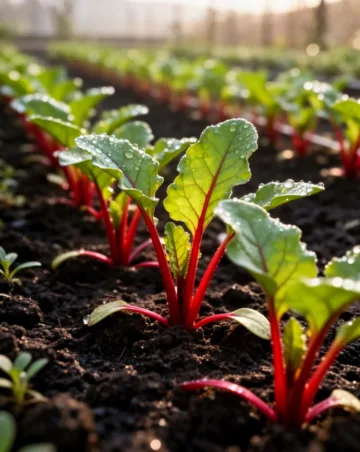
Beets are technically a “two-for-one” vegetable. While we often focus on the bulbous root, the leaves are essentially a variety of chard, packed with vitamins A, C, and K. In this guide, we will walk through everything you need to know to transform a handful of rough, corky seeds into a bountiful harvest that will impress your neighbors and nourish your family.
Understanding the Basics of Beet Varieties
Choosing the Right Cultivar
Not all beets are created equal. Depending on your culinary goals, you might choose a different variety:
- Detroit Dark Red: The gold standard for deep red, sweet roots.
- Chioggia: An Italian heirloom known for its beautiful “candy cane” internal stripes.
- Golden Boy: A yellow variety that won’t stain your hands (or your cutting board) and has a milder flavor.
- Cylindra: An elongated, cylindrical beet that is perfect for uniform slicing and canning.
Timing Your Planting
Beets are cool-season crops. They thrive when the soil is workable but not yet baking under the summer sun. For most regions, this means planting in early spring, about two to three weeks before the last frost date. You can also plant a second crop in late summer for a fall harvest, which often results in sweeter roots as the cool air encourages the plant to store sugar.
Preparing Your Garden Bed
Soil Quality and Composition
The secret to smooth, round beets lies beneath the surface. Beets prefer well-draining, loose soil with a pH between 6.0 and 7.0. If your soil is heavy clay, the roots may become stunted or misshapen. Conversely, if the soil is too rocky, the roots will split. Incorporating aged compost or well-rotted manure a few weeks before planting will provide the organic matter necessary for steady growth.
Sunlight Requirements
While beets can tolerate partial shade—especially if you are primarily growing them for their greens—they need at least six hours of direct sunlight daily to develop large, healthy roots. If you live in a particularly hot climate, some afternoon shade can actually prevent the leaves from wilting during the peak of the day.
Step-by-Step Instructions for Success
If you want to grow beets that are tender and flavorful rather than woody and tough, timing and technique are everything. Follow this beet planting guide to get your seeds off to a perfect start:
- Prepare the seeds: Beet seeds are actually small clusters of multiple embryos. To speed up germination, soak your seeds in lukewarm water for 12 to 24 hours before planting.
- Sowing: Plant seeds about 1/2 inch deep and 1 to 2 inches apart. Rows should be spaced roughly 12 inches apart.
- Watering: Keep the soil consistently moist but not waterlogged. Beet seeds have a tough outer shell that needs moisture to soften so the sprouts can break through.
- The Critical Step: Thinning: Because each “seed” is a cluster, you will likely see 2-3 sprouts appearing from the same spot. Once the seedlings reach 2 inches in height, use a pair of scissors to snip the smaller ones, leaving one plant every 3 to 4 inches. Do not pull them out, as this can disturb the roots of the remaining plant.
- Mulching: Apply a thin layer of straw or shredded leaves around the plants to retain moisture and keep the soil temperature stable.
Tips from Experienced Gardeners
The Boron Secret
Beets are heavy users of the micronutrient boron. If your beets have black spots in the center (known as internal black heart), your soil might be deficient. A quick fix is a very dilute solution of household borax (about 1 tablespoon per gallon of water), but use this sparingly as too much can be toxic to plants.
Watering Consistency
Inconsistent watering—letting the soil dry out completely and then drenching it—causes the roots to develop tough, woody rings. Aim for deep watering once or twice a week rather than light daily sprinkling. This encourages the roots to grow downward into the cool earth.
Common Mistakes to Avoid
Crowding the Plants
The most common mistake beginners make is failing to thin their seedlings. If beets are crowded, they will compete for nutrients and space, resulting in tiny, spindly roots that are barely edible. Give them the 4 inches of space they need to expand.
Over-Fertilizing with Nitrogen
High-nitrogen fertilizers are great for leafy greens like spinach, but they are the enemy of root crops. Too much nitrogen will give you massive, beautiful leaves but tiny, underdeveloped roots. Use a balanced fertilizer or one higher in phosphorus and potassium to support root development.
Tools and Materials Needed
Essential Gardening Gear
- Hand Trowel: For making small furrows and transplanting.
- Garden Hoe: To keep weeds at bay (weeds compete for moisture).
- Soaker Hose or Watering Can: For gentle, consistent irrigation.
- Garden Scissors: Crucial for thinning seedlings without damaging neighbors.
Soil Amendments
- Compost or aged manure.
- Bone meal (rich in phosphorus for root growth).
- pH testing kit to ensure your soil isn’t too acidic.
Seasonal and Climate Considerations
Fighting the Heat
Beets do not like extreme heat. If temperatures consistently soar above 80°F, the roots may become fibrous and lose their sweetness. In warmer zones (Zone 8 and above), it is often better to grow beets as a winter crop, planting in late autumn for a mid-winter harvest.
Frost Hardiness
Beets are surprisingly hardy. A light frost can actually improve the flavor of the roots by triggering a sugar-conversion process. However, if a deep freeze is predicted, it is best to mulch heavily or harvest the remaining crop to prevent the shoulders of the roots from freezing and rotting.
Benefits of Growing Beets
Nutritional Powerhouse
Beets are famous for their high concentration of nitrates, which can help lower blood pressure and improve athletic performance. They are also a great source of folate and manganese. By growing them at home, you ensure they are free from synthetic pesticides and are consumed at their nutritional peak.
Garden Efficiency
Beets are an excellent “intercropping” plant. Because they grow relatively low to the ground, you can plant them between slower-growing crops like peppers or tomatoes. By the time the larger plants need the space, the beets have already been harvested.
Alternative Growing Methods
Container Gardening
Don’t have a backyard? Beets grow exceptionally well in containers. Ensure your pot is at least 10 inches deep. Pick a variety like “Little Ball” or “Babybeat” that is specifically bred for smaller spaces. Use a high-quality potting mix rather than garden soil to ensure proper drainage.
Raised Beds
Raised beds are perhaps the ideal environment for beets. Because you control the soil mix, you can ensure it remains loose and friable. Raised beds also warm up faster in the spring, allowing you to get your seeds in the ground a week or two earlier than traditional in-ground rows.
Concluding Thoughts on Your Harvest
Growing your own vegetables is a journey of patience and rewards. When you grow beets, you are investing in a crop that provides beauty in the garden and incredible nutrition on the plate. By following a reliable beet planting guide, you bypass the common pitfalls of overcrowding and poor soil preparation. Remember to harvest your beets when they are between the size of a golf ball and a tennis ball for the best texture. Anything larger tends to become “woody.” Happy gardening, and enjoy the literal fruits (or roots) of your labor!
Frequently Asked Questions
1. Why are my beet seeds not germinating?
The most common reasons are soil that is too cold (below 40°F) or soil that has dried out. Keep the area consistently moist and consider using a row cover to trap heat if planting early in the spring.
2. Can I eat the beet leaves?
Absolutely! Beet greens are delicious and highly nutritious. You can harvest a leaf or two from each plant while they are growing, or eat the entire top after you pull the root. They are best sautéed with a little garlic and olive oil.
3. How long do beets take to grow?
Most varieties reach maturity in 55 to 70 days. However, you can harvest “baby beets” as early as 40 days for an extra-tender treat.
4. Why are my beets all leaves and no roots?
This is usually caused by too much nitrogen in the soil or plants being spaced too closely together. Switch to a phosphorus-rich fertilizer and ensure you thin your seedlings properly.
5. How do I store beets after harvesting?
Cut the leaves off about an inch above the root (don’t cut into the root itself, or it will “bleed”). Store the unwashed roots in a perforated plastic bag in the refrigerator crisper drawer. They will stay fresh for several weeks.