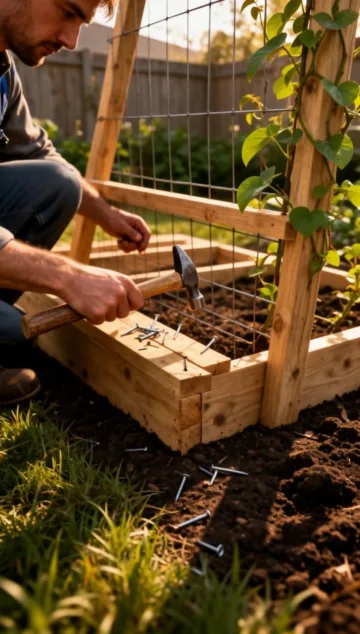
Vertical Growth Made Easy: How to Build Your Own Customized Garden Structures
Unlocking Your Garden’s Potential with Vertical Support
Growing a garden is a rewarding journey, but as any backyard enthusiast knows, horizontal space is a luxury. Whether you are dealing with a compact urban balcony or a sprawling suburban plot, looking “up” is the most effective way to maximize your harvest and aesthetic appeal. By creating a diy garden trellis, you aren’t just adding a structural element; you are providing a vital climbing plant support that allows your vegetables and flowers to breathe, soak up more sunlight, and stay away from soil-borne pests. Vertical gardening transforms a messy patch of vines into a living tapestry of color and productivity.
Why Every Gardener Needs a Trellis
Maximizing Small Spaces
If you’re working with a small area, every square inch counts. Vertical structures allow you to grow vigorous plants like cucumbers, squash, and pole beans in a fraction of the footprint they would normally occupy on the ground.
Improving Plant Health
Keeping foliage off the damp earth reduces the risk of powdery mildew and fungal infections. Better airflow around the leaves helps moisture evaporate quickly after a rain, keeping your plants robust and productive throughout the season.
Choosing the Right Materials for Your Project
Natural Twigs and Branches
For a rustic, English cottage garden look, nothing beats “pea sticking” or using fallen hazel and birch branches. It’s a free, sustainable way to build structures that blend seamlessly into the landscape.
Sturdy Cattle Panels and Wire
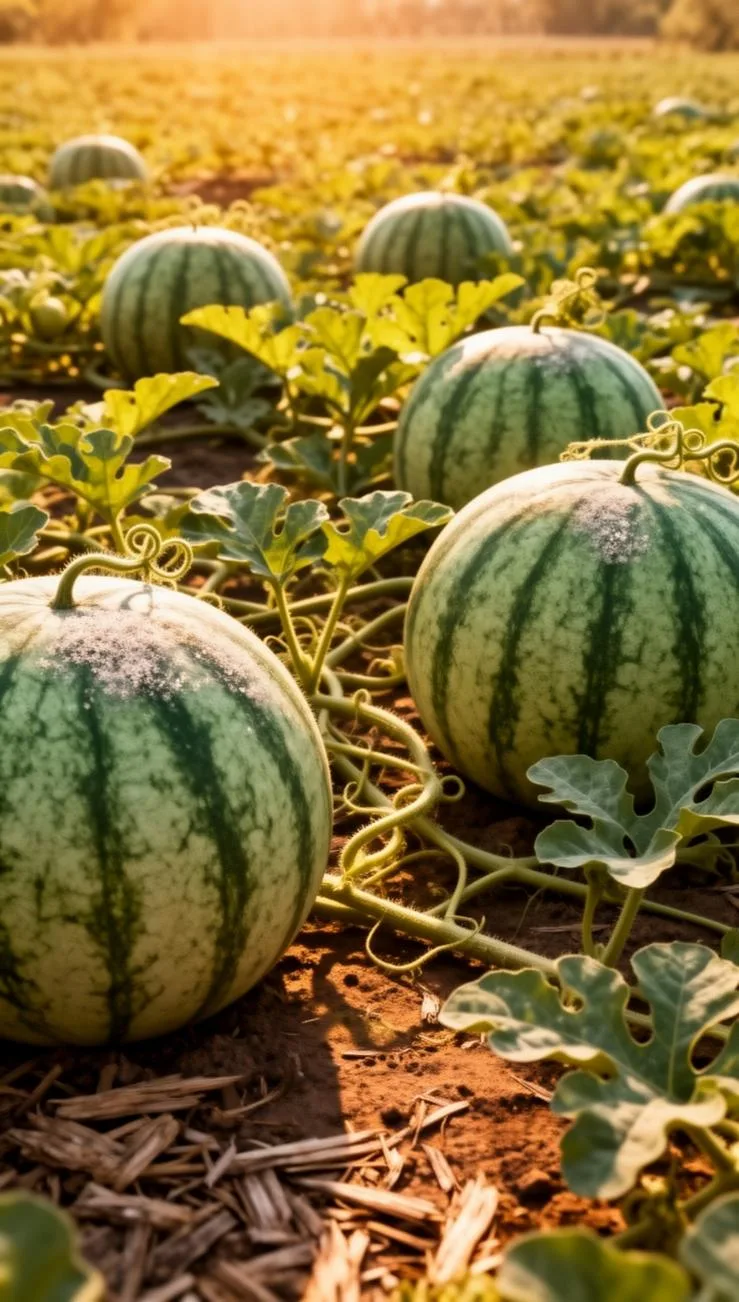
If you are growing heavy crops like watermelons or large heirloom tomatoes, you need something that won’t buckle. Galvanized steel cattle panels are incredibly popular because they are virtually indestructible and provide a perfect grid for tendrils to grab onto.
Classic Cedar and Redwood
Wood is the go-to for many because it is easy to work with and visually stunning. Cedar and redwood are naturally rot-resistant, making them the best choice for a structure you want to keep in the ground for several years.
A Simple Guide to Building Your First Structure
Building your own garden features doesn’t require a master’s degree in carpentry. Most builds can be completed in a single afternoon with basic household tools.
Step-by-Step Instructions
To begin your diy garden trellis, start by measuring your garden bed to ensure the structure won’t shade out other sun-loving plants nearby. For a classic A-frame design, follow these steps:
- Cut two 6-foot wooden stakes and lay them on the ground in a “V” shape.
- Secure the top point with a galvanized bolt or heavy-duty outdoor twine.
- Repeat this for a second set of stakes.
- Lean the two frames against each other and connect them at the top with a horizontal crossbeam.
- Staple plastic bird netting or wire mesh across the frames to create a reliable climbing plant support for your vines to grip.
- Push the legs of the frame at least 10 inches into the soil to ensure stability against the wind.
Pro Tips from Experienced Gardeners
Training Your Plants Early
Don’t wait for your plants to find the trellis on their own. As soon as your seedlings are a few inches tall, gently lean them toward the base of the structure. You can use soft plant ties or even strips of old t-shirts to loosely secure the stems until the plant’s natural tendrils take over.
Considering Sun Orientation
Always place your vertical structures on the north or east side of your garden. If you place a tall trellis on the south side, it will cast a long shadow over the rest of your vegetables, potentially stunting the growth of smaller plants like lettuce or herbs.
Common Mistakes to Avoid
Using Thin String for Heavy Loads
A common mistake is using thin kitchen twine or cheap plastic string. By mid-summer, the weight of a tomato plant or cucumber vine can easily snap these materials. Always opt for jute, sisal, or wire coated in soft rubber.
Ignoring the Foundation
A trellis acts like a sail in the wind. If it isn’t anchored deeply into the ground or attached to a sturdy fence or wall, a summer thunderstorm could topple your entire crop, breaking the main stems of your plants.
Essential Tools and Materials
To get started, gather these items:
- Measuring tape and a pencil.
- A hammer or a cordless drill with outdoor-rated screws.
- Wire cutters or heavy-duty scissors.
- Material for the frame (wood, PVC pipe, or metal conduit).
- Grid material (chicken wire, cattle panels, or nylon netting).
- Zip ties or twine for securing components.
Seasonal and Climate Considerations
Winter Maintenance
In regions with heavy snow or harsh winters, it is often best to remove lightweight trellises and store them in a shed. This prevents the metal from rusting prematurely and keeps wood from warping due to constant moisture.
Heat Expansion
If you use metal piping or plastic mesh in very hot climates, be aware that these materials can heat up significantly in the afternoon sun. In extreme cases, hot metal can singe delicate young vine tendrils. Wooden or natural fiber supports are often better for high-heat areas.
The Benefits of Vertical Gardening
The most immediate benefit is the ease of harvest. Instead of crawling on your hands and knees searching through a jungle of leaves, your fruit hangs at eye level, clean and ready to pick. This also makes it much easier to spot pests like aphids or tomato hornworms before they cause major damage. Furthermore, vertical gardens provide privacy, acting as living screens that block out neighbors or unsightly areas of your yard.
Creative Alternative Methods
The “Florida Weave”
Commonly used by commercial tomato growers, this method involves driving stakes between every two plants and weaving twine back and forth in a figure-eight pattern. It provides excellent support without a permanent structure.
Upcycled Ladder Trellis
An old wooden ladder can be opened up and placed in a garden bed to create an instant, multi-level plant stand. It’s an excellent way to add Character to your garden while being environmentally friendly.
Conclusion: Elevate Your Gardening Game
Embarking on a diy garden trellis project is one of the most cost-effective ways to improve your garden’s yield and health. Whether you choose a simple bamboo tripod or a sophisticated cedar archway, providing a dedicated climbing plant support will reward you with cleaner fruit, fewer pests, and a more organized outdoor space. Remember to start simple, anchor your structures well, and watch as your garden reaches new heights.
Frequently Asked Questions
What is the best wood for a garden trellis?
Cedar and Redwood are the top choices because they contain natural oils that resist rot and insect damage. If you use pine, ensure it is heat-treated rather than chemically pressure-treated if you plan to grow edible crops.
How high should my trellis be?
For most vegetables like cucumbers and pole beans, a height of 5 to 6 feet is ideal. For vigorous ornamental vines like wisteria or clematis, you may want to go up to 8 feet or higher.
Can I use PVC pipe for a trellis?
Yes, PVC is affordable and easy to work with. However, it can be UV-sensitive and may become brittle over time when exposed to constant sunlight. Painting it with outdoor-grade paint can help it last longer.
Which plants are best for vertical growing?
Excellent candidates include pole beans, snap peas, cucumbers, small pumpkins, tomatoes (vining varieties), and flowers like climbing roses, morning glories, and sweet peas.
How do I clean my trellis at the end of the season?
It is a good idea to wipe down your supports with a 10% bleach solution or a vinegar-water mix in the fall. This kills any lingering fungal spores or pests that might be overwintering in the crevices of the material.