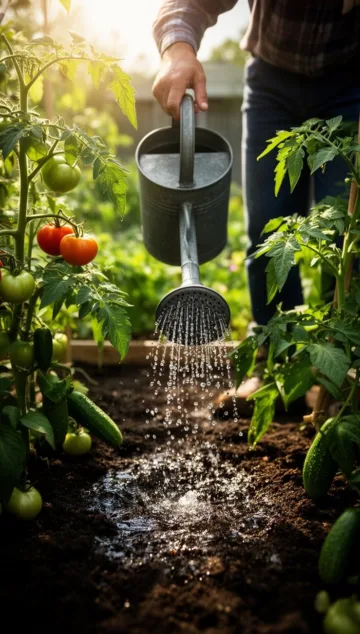
The Great Spring Awakening: How to Master Your Garden Hydration Strategy
As the frost retreats and the first green shoots of tulips and daffodils pierce through the soil, every gardener feels that familiar spark of excitement. Spring is a season of rebirth, but it is also a period of transition that can be surprisingly tricky for your green friends. While we often focus on pruning and planting, the way we manage hydration during these volatile months dictates the health of our landscape for the rest of the year. Mastering the art of watering plants spring is essential because the soil is waking up from a long slumber, and the requirements of a young seedling are vastly different from those of an established perennial. By following expert garden watering tips, you can ensure your soil remains a nurturing environment rather than a waterlogged or bone-dry disaster zone.
Understanding the Spring Soil Environment
The Thaw and Drain Factor
In early spring, the ground is often still heavy with moisture from melted snow or late winter rains. However, this doesn’t mean you should ignore your hose. The top layer of soil can dry out quickly due to spring winds, even if the root zone is still damp. Understanding your soil type—whether it is sandy, loamy, or clay-based—is the first step in determining how much supplemental water you’ll need to provide as temperatures rise.
Waking Up the Root Systems
Roots begin to grow before you see significant foliage above ground. These “feeder roots” need consistent moisture to transport nutrients from the soil into the plant’s vascular system. If the soil becomes too dry during this critical hormonal shift, the plant may become stunted, leading to poor flowering or fruit production later in the summer.
Step-by-Step Instructions for Spring Irrigation
Transitioning your garden from winter dormancy to summer vibrancy requires a methodical approach. Follow these steps to ensure your watering plants spring routine is effective and efficient. By implementing these garden watering tips early in the season, you create a resilient garden that can withstand the heatwaves to come.
Step 1: The Finger Test
Before reaching for the watering can, stick your index finger about two inches into the soil. If the soil feels cool and damp, hold off. If it feels dry at the tip of your finger, it’s time to water. This prevents the common mistake of overwatering plants when the surface looks dry but the roots are drowning.
Step 2: Water Calmly and Deeply
In spring, it is better to water deeply and less frequently than to give light sprinkles every day. Deep watering encourages roots to grow further down into the earth, where the soil stays moist longer. Use a soaker hose or a watering wand set to a low-pressure flow to reach the base of the plants without disturbing the soil structure.
Step 3: Timing is Everything
Always aim to water in the early morning, preferably between 6:00 AM and 9:00 AM. This allows the foliage to dry off during the day, which prevents fungal diseases. It also ensures the plant is fully hydrated before the midday sun reaches its peak intensity.
Step 4: Monitor the Forecast
Spring weather is notoriously unpredictable. Check your local weather app frequently. If a heavy rainstorm is predicted for Tuesday, skip your Monday watering session. Conversely, if a “false spring” heatwave is coming, increase your frequency to prevent seedlings from wilting.
Expert Tips for Season-Long Success
Mulch is Your Best Friend
Applying a 2- to 3-inch layer of organic mulch, such as shredded bark or compost, is one of the best things you can do in spring. Mulch acts as an insulator, keeping the soil temperature steady and significantly reducing the rate of evaporation. This means you’ll spend less time hauling hoses and more time enjoying your blooms.
Prioritize New Additions
Whatever you planted this season—whether it’s a new fruit tree or a flat of pansies—requires more attention than established shrubs. New plants have smaller root balls and cannot access deep soil moisture yet. Check these daily for the first three weeks after planting.
Common Mistakes to Avoid
The “Sprinkler Syndrome”
Many beginners turn on their overhead sprinklers and call it a day. The problem? Much of that water evaporates before it hits the ground, and wet leaves can lead to powdery mildew or rust. Always try to water at the soil level rather than from above.
Ignoring Containers
Potted plants dry out significantly faster than those in the ground. Because pots are exposed to air on all sides, the soil temperature fluctuates wildly. In the spring, a windy day can suck all the moisture out of a hanging basket in just a few hours.
Overwatering in Cold Snap
If a late spring frost is predicted, many gardeners think they should drench their plants. While moist soil can actually hold more heat than dry soil, saturating the ground right before a freeze can lead to root rot. Keep the soil “moist,” not “soggy.”
Essential Tools for Your Spring Kit
- Soaker Hoses: Perfect for vegetable rows and perennial beds, these leak water slowly directly into the dirt.
- Rain Gauge: A simple tool that tells you exactly how much “free water” your garden received from the clouds.
- Watering Wand: Great for reaching the base of dense plants without bending over.
- Moisture Meter: A handy gadget for those who find the “finger test” difficult to judge.
Seasonal and Climate Considerations
High-Wind Areas
Spring is often the windiest season. Wind increases transpiration, which is the process of water moving through a plant and evaporating from leaves. If you live in a breezy corridor, you may need to water more frequently than the average guide suggests.
Clay vs. Sandy Soil
If your garden has heavy clay soil, it will retain water much longer in the spring, making it easy to accidentally drown roots. Sandy soil, however, drains rapidly and may require you to water in shorter, more frequent bursts to keep the moisture accessible.
Benefits of Proper Spring Hydration
Investing time into your watering routine now pays massive dividends. Plants that receive consistent, appropriate moisture in the spring develop thicker cell walls and more robust root systems. This “toughening up” process makes them much more resistant to pests, diseases, and the scorching heat of July and August. Furthermore, proper watering helps keep the soil biology active, ensuring that the beneficial microbes and earthworms are working hard to feed your plants.
Alternative Methods: Hydro-Zoning and Ollas
Hydro-Zoning
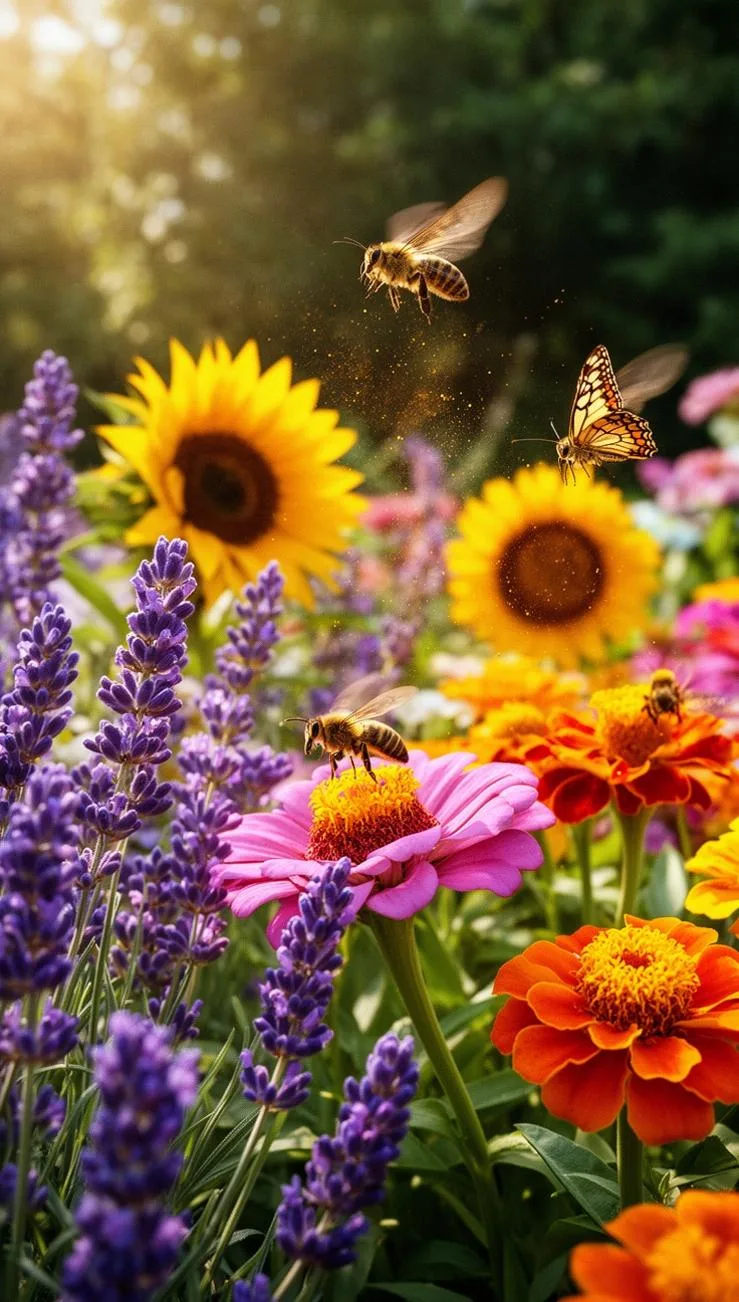
This is a design technique where you group plants with similar water needs together. By placing thirsty hydrangeas in one spot and drought-tolerant lavender in another, you can customize your watering schedule without overwatering one or underwatering the other.
Using Ollas
An Olla is an unglazed clay pot buried in the ground with only the neck protruding. You fill the pot with water, and it slowly seeps through the clay walls directly to the roots of nearby plants. This is an ancient and incredibly efficient way to manage spring moisture, especially in raised beds.
Conclusion
In summary, finding the right rhythm for watering plants spring is about observation and adaptation. By paying close attention to the moisture levels of your soil and the specific needs of your various plant varieties, you set the stage for a lush, thriving landscape. Remember that the goal isn’t just to keep plants alive, but to provide them with the foundation they need to flourish during the peak growing season. Keep these garden watering tips in mind as you head out into the dirt this week—your garden will surely thank you with a spectacular display of color and growth. Happy gardening!
Frequently Asked Questions
How can I tell if I’m overwatering?
Yellowing leaves, a soft or mushy stem base, and soil that has a sour smell are all classic signs of overwatering. If you see mushrooms sprouting around the base of your plant, that’s another hint that the area is too wet.
Is rainwater better than tap water?
Generally, yes. Rainwater is naturally soft and free of the chlorine and fluoride found in many city water systems. It also has a slightly acidic pH, which most plants prefer. Using a rain barrel is a great way to collect this resource.
Should I water my lawn in the spring?
Unless you are experiencing an unusual drought or have just laid new sod, most established lawns don’t need much supplemental water in early spring. Wait until the grass starts actively growing and the weather warms up before starting a regular irrigation schedule.
Do I need to water after it rains?
Check your rain gauge. A light drizzle might only wet the very surface of the mulch without reaching the roots. Ideally, your garden should receive about an inch of water per week; if the rain provided less than that, you may need to supplement.
Is it okay to water at night?
It is generally discouraged. Watering at night keeps the soil and foliage wet for many hours without sun to dry them, which creates the perfect breeding ground for slugs, snails, and fungal pathogens like leaf spot.