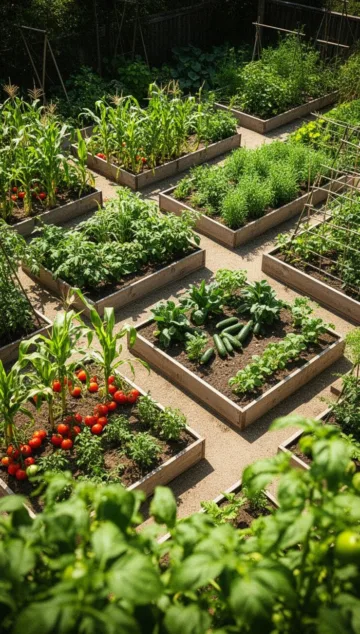
Making the Most of the Sun: Your Ultimate Guide to Small to Large Summer Plots
Why Your July Harvest Starts with a Smart Plan
There is nothing quite like the feeling of walking into your backyard on a warm July morning and seeing a sea of vibrant green leaves, ripening tomatoes, and buzzing pollinators. However, many beginners make the mistake of simply putting plants in the ground wherever there is an empty space. To get the most out of your growing season, you need a strategic summer garden layout. Planning your space isn’t just about making it look pretty; it’s about maximizing sunlight, improving airflow, and ensuring your garden design vegetables have enough room to thrive during the hottest months of the year. When you align your plants with their specific needs, you reduce the risk of disease and increase your overall yield significantly.
Foundations of an Effective Garden Map
Understanding Sunlight and Orientation
In the peak of summer, the sun is higher and stronger than any other time of year. For most edible crops, six to eight hours of direct sunlight is the “gold standard.” When sketching your plan, place your logic in the path of the sun. Usually, this means placing your tallest plants—like corn, pole beans, or trellised cucumbers—on the north side of the garden. This prevents them from casting a shadow over smaller, sun-hungry plants like peppers or bush beans.
Pathways and Accessibility
One of the most overlooked aspects of design is how you will actually move through the space. Dirt paths should be at least 18 to 24 inches wide. If you use a wheelbarrow, aim for 32 inches. Good paths prevent soil compaction near the root zones of your plants and ensure you can reach the center of your beds to harvest those hidden zucchini without stepping on your delicate lettuce.
The Secret to Grouping Your Plants
Companion Planting for Success
Think of your garden as a social community. Some plants are “best friends” that help each other grow. For example, planting marigolds throughout your beds helps deter pests that target tomatoes. Basil planted near peppers can improve the flavor of the fruit and mask the scent of the peppers from hungry insects. By grouping plants with similar water and nutrient needs together, you simplify your irrigation routine and create a more resilient ecosystem.
Vertical Growth Strategies
If you have a small backyard, don’t just grow “out”—grow “up.” Using cattle panels, A-frame structures, or simple twine trellises allows you to grow vining crops like squash and melons vertically. This keeps the fruit off the ground, reducing rot, and leaves more soil space for low-growing herbs or root vegetables.
Step-by-Step Instructions: Creating Your Master Plan
Ready to get your hands dirty? Follow these steps to build a productive space from scratch:
- Measure Your Space: Use a measuring tape to get the exact dimensions of your growing area. Use graph paper or a digital app to draw it to scale.
- Sun Mapping: Spend a full day observing where the light falls at 9:00 AM, 12:00 PM, and 4:00 PM. Note any permanent shadows from fences or trees.
- Design Your Zones: Designate specific areas for “heavy feeders” (like tomatoes and broccoli) and “light feeders” (like carrots and onions). This ensures your summer garden layout accounts for soil health and future crop rotation.
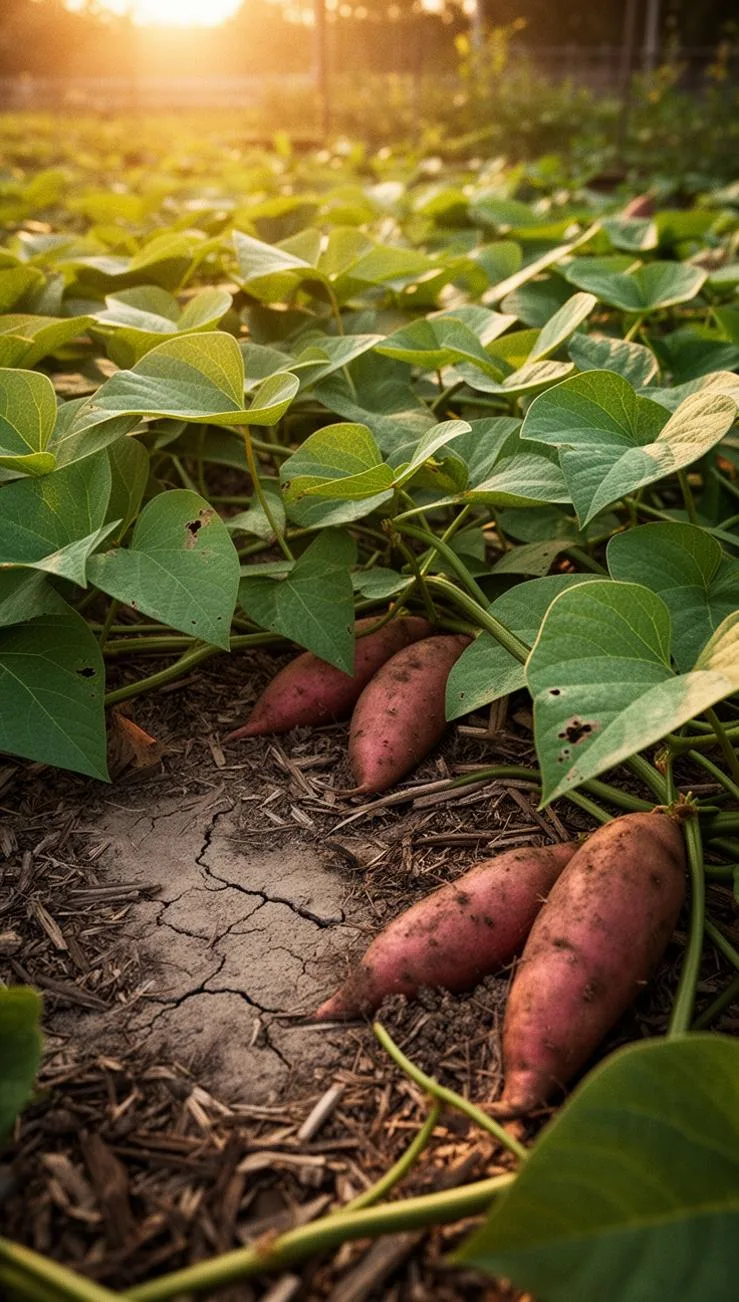
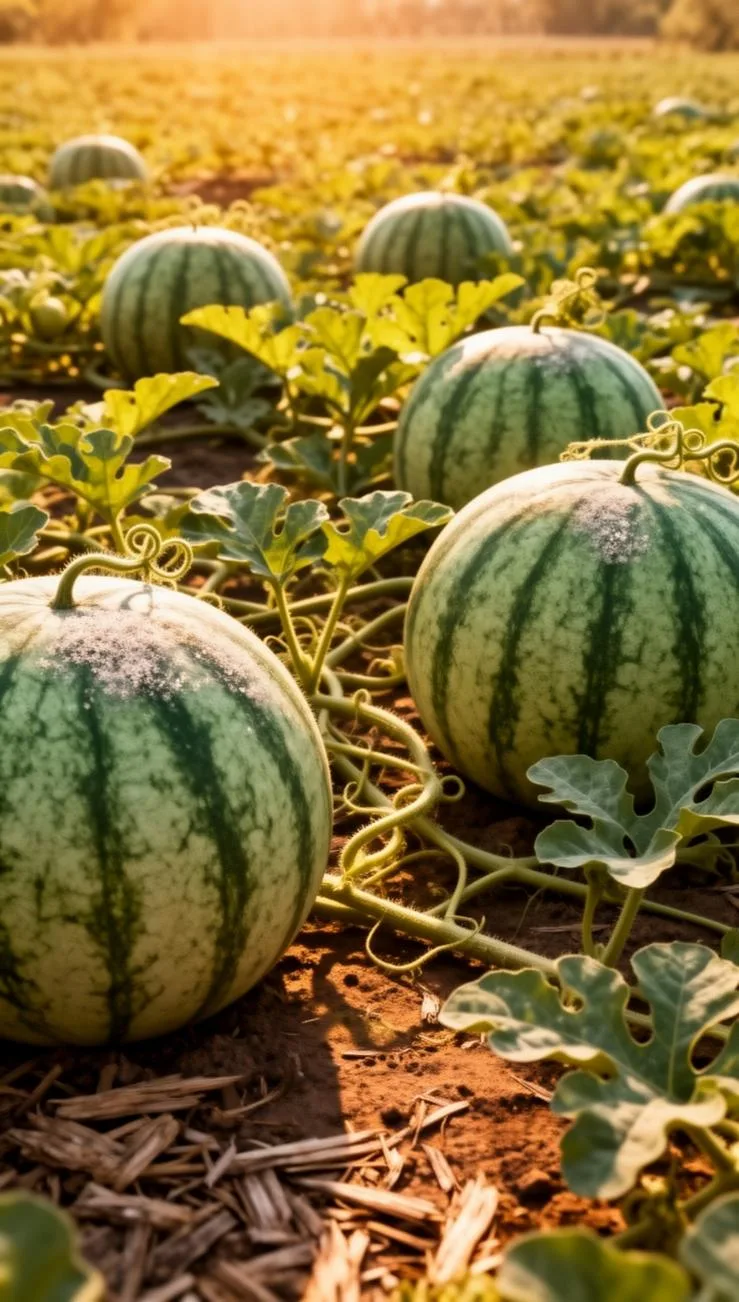
- Select Your Varieties: Choose crops that thrive in heat. Watermelons, peppers, and sweet potatoes are summer champions. When perfecting your garden design vegetables, remember to leave space for succession planting—leaving a few gaps to plant a second round of bush beans or kale in mid-summer.
- Install Irrigation Before Planting: It is much easier to lay soaker hoses or drip lines before the plants are in the way. Ensure every “zone” has easy access to water.
Pro Tips from Seasoned Green Thumbs
The Power of Mulch
Experienced gardeners know that bare soil is an invitation for weeds and evaporation. Once your layout is planted, cover the soil with 2-3 inches of organic mulch, such as straw or shredded leaves. This keeps the roots cool during heatwaves and maintains consistent moisture levels, which prevents blossom end rot in tomatoes.
Succession Planting Intervals
Don’t plant all forty of your bush bean seeds on the same day unless you want to eat nothing but beans for a week and then have none for the rest of the summer. Stagger your planting by two weeks. This keeps your layout producing fresh food continuously from June through September.
Common Mistakes to Avoid
Overcrowding the Beds
It is tempting to buy every beautiful seedling at the nursery, but plants need “breathing room.” Crowding leads to poor air circulation, which is the primary cause of powdery mildew and blight. Always follow the spacing recommendations on the back of the seed packet.
Ignoring Pollinators
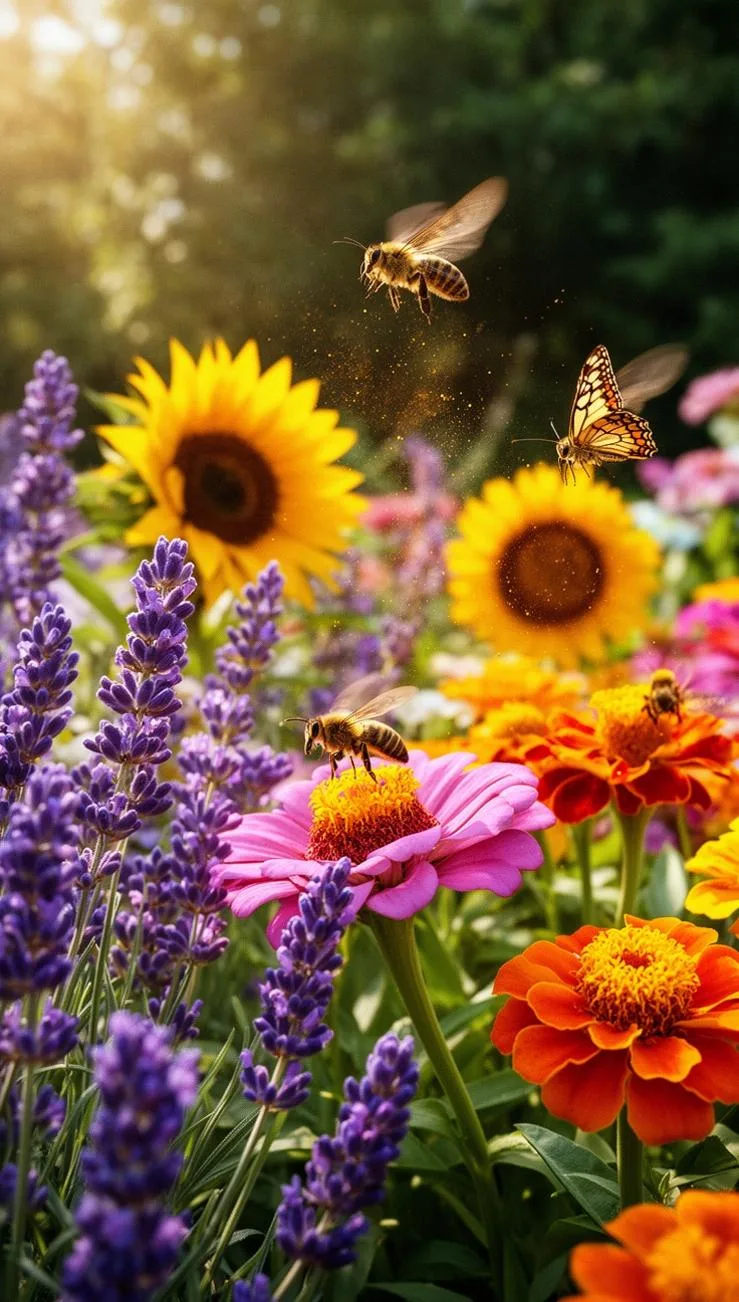
A garden isn’t just for vegetables. If you don’t include flowers like zinnias, cosmos, or sunflowers in your plan, you may find that your squash plants produce flowers but no fruit. Bees and butterflies are essential workers in the summer garden; make sure you provide them with a colorful “landing strip.”
Essential Tools for Summer Planning
- Graph Paper and Pencil: Still the most reliable way to visualize your rows.
- Soaker Hoses: The most efficient way to water deeply and keep foliage dry.
- Garden Twine and Stakes: Essential for supporting tall plants during summer thunderstorms.
- Hand Trowel and Cultivator: For precise planting and breaking up surface crust.
- Soil pH Tester: To ensure your “heavy feeders” have the right environment to soak up nutrients.
Climate Considerations: Managing the Heat
Depending on your “Hardiness Zone,” summer gardening looks different. In the South or Southwest, you might need to incorporate shade cloth into your layout to protect sensitive plants from the 3:00 PM scorching sun. In more temperate or northern climates, maximize your heat by using dark mulch or raised beds that warm up quickly. Always monitor your local “first frost” date so you know when your summer plants need to wrap up their production.
Why a Thoughtful Layout Matters
Designing your garden with intent offers benefits beyond just a higher crop yield. A well-organized garden is significantly easier to maintain. When you know exactly where everything is, weeding becomes a five-minute chore rather than a weekend-long struggle. Furthermore, a logical layout helps manage pests. By interspersing different types of plants rather than planting a massive block of a single crop, you make it harder for pests to find their “host” plant and spread throughout your entire harvest.
Alternative Methods: Raised Beds vs. In-Ground
Raised Bed Gardening
Raised beds offer excellent drainage and are easier on your back. They allow you to control the soil quality perfectly, which is great if your yard has heavy clay or rocky soil. However, they do dry out faster and require more frequent watering in the peak of July.
In-Ground Planting
Planting directly in the earth is the most cost-effective method. It stays cooler and retains moisture longer than raised beds. This is often the best choice for large “sprawling” crops like pumpkins or corn that require significant square footage.
Bringing Your Vision to Life
Planning a successful growing season is one of the most rewarding aspects of the hobby. By taking the time to consider sunlight, plant spacing, and watering needs, you transform a simple patch of dirt into a high-yielding sanctuary. Whether you are working with a tiny balcony or a sprawling backyard, a strategic summer garden layout is the foundation of a stress-free harvest. Remember that gardening is a learning process; your garden design vegetables will likely change from year to year as you learn what works best in your specific climate. Stay curious, keep observing your plants, and most importantly, enjoy the literal fruits of your labor.
Frequently Asked Questions
1. How much space do I really need for a summer garden?
You can start as small as a 4×4 foot raised bed. This size can easily house a tomato plant, a pepper plant, some basil, and a few marigolds. Focus on quality of soil rather than quantity of space.
2. What are the best vegetables to grow in heat?
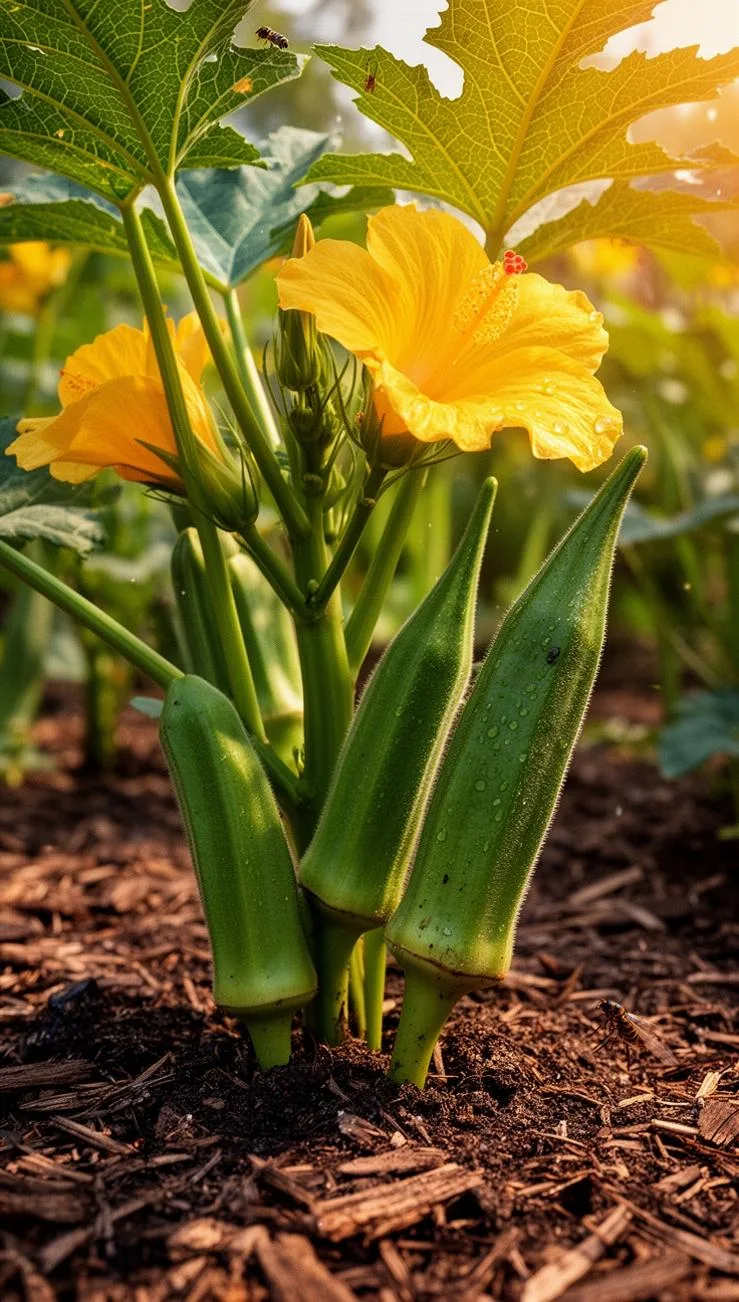
Okra, eggplant, hot peppers, and sweet potatoes are champions of the heat. Tomatoes and cucumbers also do well, though they may require extra water when temperatures exceed 90°F.
3. Can I grow vegetables in the shade?
While most summer crops love the sun, leafy greens like kale, spinach, and Swiss chard can tolerate (and often prefer) partial shade during the hottest months to prevent them from “bolting” or going to seed.
4. How often should I water my summer layout?
In most climates, a deep watering two to three times a week is better than a light sprinkling every day. A deep soak encourages roots to grow further into the ground, making the plants more drought-resistant.
5. When is the best time of day to work in the garden?
Early morning is best for both you and the plants. Watering in the morning allows the leaves to dry before nightfall, which prevents mold. It also ensures you stay cool and hydrated!