Creating a Lush, Self‑Sustaining Garden: A Beginner’s Guide
Opening Section
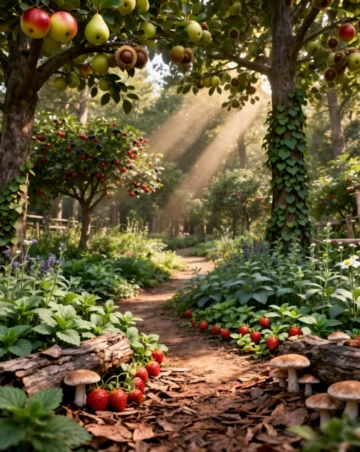
Imagine stepping into a garden that looks like a miniature woodland, yet every plant offers a bite, a brew, or a boost to the soil. That is the magic of a forest garden. By mimicking nature’s layers, you can grow a thriving food forest garden, edible forest garden that feeds you, supports pollinators, and requires less work year after year. Whether you have a sunny backyard or a shady corner, this approach turns ordinary space into a productive, beautiful ecosystem.
Understanding the Forest Garden Concept
What Is a Forest Garden?
A forest garden is a low‑maintenance, multi‑layered planting system inspired by natural forests. It combines trees, shrubs, herbaceous plants, groundcovers, vines, and roots to create a resilient, self‑sustaining ecosystem.
The Seven Layers
- Canopy layer – Tall fruit or nut trees.
- Sub‑canopy – Dwarf fruit trees or large shrubs.
- Shrub layer – Berry bushes, hazelnuts.
- Herb layer – Culinary herbs, medicinal plants.
- Ground‑cover – Low‑growing edibles like strawberries.
- Root layer – Nitrogen‑fixing or edible roots such as carrots.
- Vertical layer – Vines climbing trees or trellises.
Designing Your Garden
Choosing the Right Site
Look for an area with at least 4–6 hours of sunlight per day, good drainage, and space for trees to spread. A gentle slope helps water move through the layers, preventing stagnation.
Mapping the Layers
Start by drawing a simple sketch. Place the tallest trees on the north side (in the northern hemisphere) to avoid shading lower layers. Then fill in shrubs, herbs, and groundcovers, keeping in mind each plant’s mature size.
Soil Preparation
Incorporate plenty of organic matter—compost, leaf litter, and aged manure—to improve structure and fertility. A soil test will tell you if you need to add lime or sulfur to adjust pH.
Step‑by‑Step Instructions
Follow these steps to create your own forest garden and enjoy a productive food forest garden, edible forest garden that continues to improve over time.
- Plan the layout. Use graph paper or a garden design app to plot the seven layers, noting spacing for each plant.
- Prepare the soil. Till lightly and spread a 2–3 inch layer of compost. Consider raised beds if soil is poor.
- Plant the canopy. Start with hardy fruit or nut trees such as apple, plum, or hazelnut. Space them 12–15 feet apart.
- Add sub‑canopy and shrubs. Plant dwarf fruit trees (e.g., peach) and berry bushes (raspberries, blueberries).
- Insert herb and ground‑cover layers. Sow herbs like mint, thyme, and groundcovers like creeping thyme or low‑bush strawberries.
- Introduce vines. Train beans, kiwi, or hardy grapes up tree trunks or a simple trellis.
- Finish with root crops. Plant nitrogen‑fixing legumes (vetch) and edible roots (carrots, beets) between rows.
- Mulch and water. Cover the entire area with wood chips or shredded leaves. Keep soil consistently moist during the first growing season.
- Monitor and adjust. Prune trees to maintain light, replace any failed plants, and add compost annually.
Tips from Experienced Gardeners
- Start with native species—they’re adapted to local pests and climate.
- Use companion planting: nitrogen‑fixers like clover boost fruit trees.
- Leave a “wild” corner; a patch of untouched leaf litter becomes a habitat for beneficial insects.
- Harvest in stages: pick early‑ripening fruits first, allowing later varieties more time to mature.
- Rotate annual crops in the herb layer to avoid soil‑borne diseases.
Common Mistakes to Avoid
- Planting too densely. Overcrowding reduces air circulation and leads to disease.
- Ignoring sun patterns. Shade‑intolerant plants under dense canopies will underperform.
- Skipping soil testing. Unbalanced pH can stunt growth.
- Not mulching. Bare soil dries out quickly and invites weeds.
- Over‑pruning. Removing too much foliage limits photosynthesis and food production.
Tools or Materials Needed
- Garden spade and fork
- compost and aged manure
- Wood chips or leaf litter for mulch
- Pruning shears and loppers
- Measuring tape and stakes for layout
- Soil test kit
Seasonal or Climate Considerations
In cooler climates, select cold‑hardy varieties like crabapple and hardy kiwi. In hot, dry regions, prioritize drought‑tolerant trees (e.g., fig) and increase mulching depth. Spring is ideal for planting trees; fall works well for establishing shrubs and groundcovers.
Benefits of This Gardening Method
- Reduced maintenance. Once established, the system self‑feeds through leaf litter and nitrogen fixation.
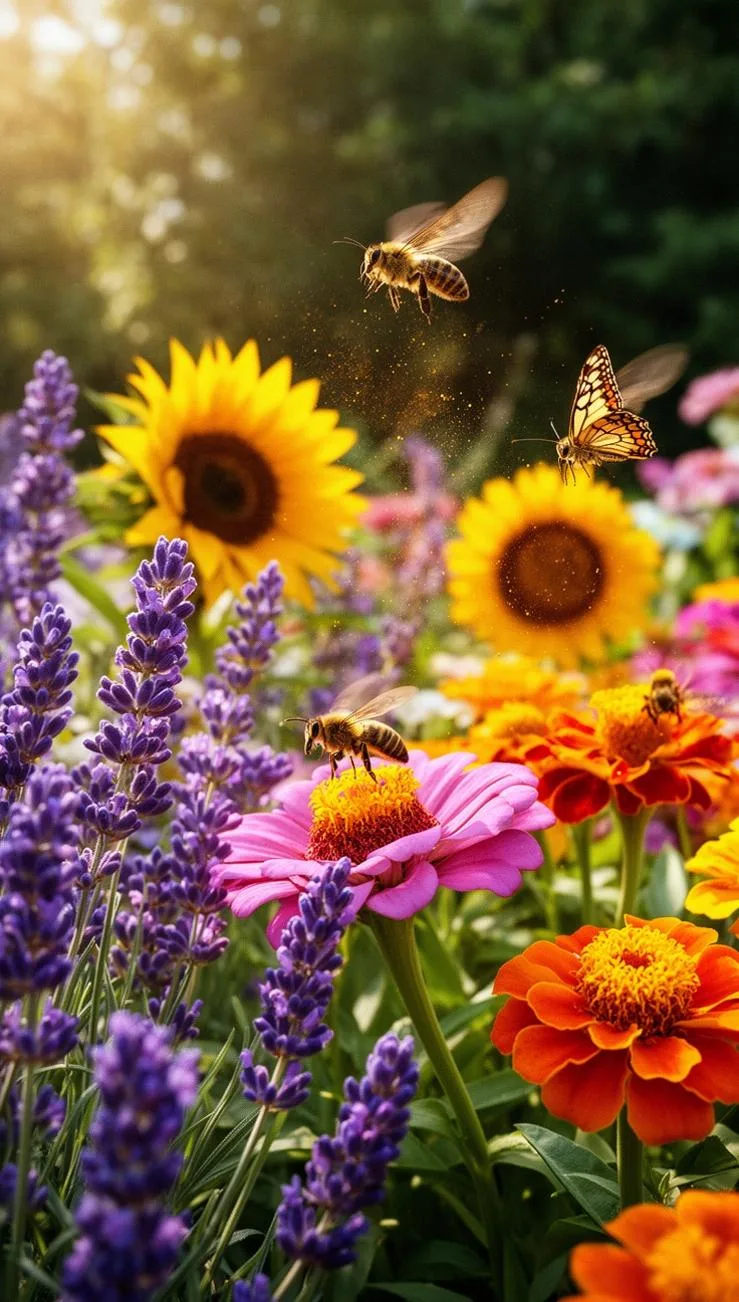
- Biodiversity. Multiple plant species attract pollinators and natural predators.
- Year‑round harvest. Different layers produce food at various times.
- Soil health. Continuous organic matter improves structure and water retention.
- Carbon sequestration. Trees store carbon, helping mitigate climate change.
Alternative Methods
If space is limited, consider a raised‑bed forest garden or a container food forest. Both mimic the layered approach but fit balconies or small patios. Another option is a permaculture garden, which emphasizes broader landscape design beyond just edible layers.
Conclusion
Building a forest garden transforms ordinary land into a vibrant, productive ecosystem. By following the step‑by‑step plan and integrating the right layers, you’ll enjoy a thriving food forest garden, edible forest garden that feeds your family, supports wildlife, and requires less work each year. Start small, observe nature’s patterns, and let your garden evolve—your future harvests will thank you.
Frequently Asked Questions
1. How long does it take for a forest garden to become productive?
Most trees and shrubs start yielding within 3–5 years, while herbs and groundcovers can be harvested in the first season.
2. Can I create a forest garden in a small backyard?
Yes. Use dwarf or semi‑dwarf varieties, and focus on a compact layout with fewer layers.
3. Do I need special soil for a forest garden?
Rich, well‑draining soil with plenty of organic matter works best. Amend poor soil with compost and mulch.
4. How much water does a forest garden need?
Initial establishment requires regular watering (once a week). Once mulched and rooted, the system conserves moisture and needs less frequent irrigation.
5. What are the best plants for a beginner’s forest garden?
Start with easy‑care trees like apple or pear, shrubs such as currants, herbs like mint and chives, and groundcovers like strawberries.