Evergreen Garden: Create a Lush, Year‑Round Oasis for Beginners
Opening
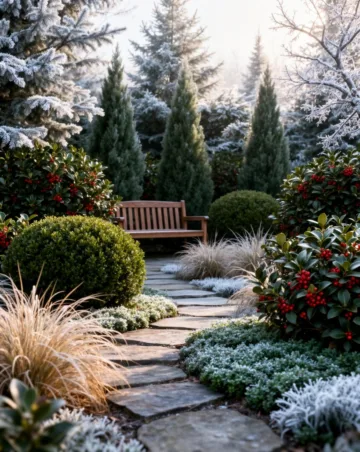
Imagine stepping into a backyard that stays vibrant no matter the season—soft greens in winter, bright foliage in summer, and a steady splash of colour all year long. An evergreen garden gives you that continuous visual interest without the constant re‑planting most seasonal beds require. It also forms the backbone of evergreen landscaping, year round garden designs that look polished and inviting even when the temperature drops.
For beginners, the idea of planning a garden that never loses its charm can feel daunting. The good news is that you don’t need a horticultural degree to succeed. With the right plant choices, simple layout principles, and a few practical tips, you can build a garden that thrives in every month.
Choosing Evergreen Plants
Low‑Maintenance Shrubs
- Boxwood (Buxus sempervirens) – perfect for hedges and topiaries.
- Japanese holly (Ilex crenata) – glossy leaves that tolerate shade.
- Elephant ear (Alocasia) – adds bold foliage in warm climates.
Coniferous Options
- Blue spruce (Picea pungens) – striking blue‑green needles.
- Dwarf Alberta spruce (Picea glauca ‘Conica’) – ideal for small spaces.
- Cedars and junipers – provide texture and year‑long scent.
Evergreen Perennials & Groundcovers
- Liriope (Liriope muscari) – hardy and great for edging.
- Heath (Erica spp.) – small flowers that bloom on evergreen foliage.
- Verbena bonariensis – adds height while staying green.
Design Principles for Continuous Interest
Layering Height
Arrange plants from tall backdrops (conifers) to mid‑height shrubs (boxwood) and finish with low groundcovers (liriope). This creates a natural “tiered” look that remains visually balanced throughout the year.
Texture & Colour Contrast
Mix needle‑like foliage with broad, glossy leaves to add depth. Incorporate silver or blue‑green tones alongside deeper greens for a subtle pop.
Use of Structure
Hardscape elements—stone walls, wooden decks, or metal edging—anchor the greenery and emphasize the garden’s shape when foliage is sparse.
Step-by-Step Instructions
Follow these actionable steps to turn your plot into a thriving evergreen garden that exemplifies evergreen landscaping, year round garden excellence.
1. Assess Site Conditions
- Sun exposure: Record how many hours of direct sun each area receives.
- Soil type: Perform a simple ribbon test to gauge texture and drainage.
- Wind patterns: Note if the site is exposed to strong breezes that could dry out plants.
2. Sketch a Rough Layout
- Mark existing trees, structures, and hardscape.
- Draw zones for tall, medium, and low plants.
- Allocate space for paths and gathering spots.
3. Choose the Right Plant Mix
Pick at least three varieties from each category (shrubs, conifers, groundcovers) that match your climate zone. Use the list above as a starting point.
4. Prepare the Soil
- Remove weeds and debris.
- Loosen soil to a depth of 12‑15 in.
- Incorporate organic compost (2‑3 in) to improve moisture retention.
5. Plant with Care
- Space shrubs according to their mature width—usually 2‑3 ft apart.
- Dig a hole twice as wide as the root ball but no deeper.
- Backfill with native soil mixed with compost, then water thoroughly.
6. Mulch and Water
Apply a 2‑inch layer of mulch (bark or straw) to conserve moisture and suppress weeds. Water deeply once a week during the first growing season, then taper to natural rainfall.
7. Ongoing Maintenance
- Prune lightly in late winter to shape shrubs and remove dead wood.
- Inspect for pests—scale insects and aphids are common on evergreens.
- Refresh mulch annually to keep the soil cool and moist.
Tips from Experienced Gardeners
- Group plants with similar water needs. This prevents over‑ or under‑watering.
- Use evergreen vines like ivy to soften fence lines.
- Plant a winter‑flowering evergreen such as mahonia for an extra splash of colour.
- Rotate mulch locations each year to avoid soil compaction.
- Label each plant in your garden journal for easier future care.
Common Mistakes to Avoid
- Over‑planting: Too many shrubs crowd each other, reducing air flow.
- Ignoring soil pH: Some evergreens (like rhododendrons) need acidic soil.
- Skipping the mulch: Leads to rapid moisture loss and weed invasion.
- Heavy pruning in summer: Can stress plants that rely on foliage for photosynthesis.
- Choosing plants unsuited to your hardiness zone—always check USDA zone ratings.
Tools or Materials Needed
- Sharp garden spade and trowel
- Pruning shears (bypass type)
- Garden gloves (leaf‑protected)
- Compost or well‑rotted manure
- Mulch (bark chips or straw)
- Measuring tape and garden markers
- pH testing kit (optional but helpful)
Seasonal or Climate Considerations
Cold climates: Opt for hardy conifers and low‑maintenance shrubs that tolerate frost. Add windbreaks (e.g., a row of evergreen arborvitae) to protect delicate plants.
Mild, Mediterranean zones: Incorporate drought‑tolerant evergreens like rosemary, lavender, and certain junipers. Reduce watering frequency after the first year.
Humid, subtropical areas: Choose foliage that handles high moisture, such as camellias and rhododendrons. Ensure good drainage to prevent root rot.
Benefits of This Gardening Method or Plant
- Year‑round visual appeal—your garden never looks barren.
- Reduced maintenance compared to annual flower beds.
- Improved privacy and wind protection.
- Habitat for birds and beneficial insects throughout the seasons.
- Greater soil stability—evergreen roots hold the soil in place year after year.
Alternative Methods
If a full‑evergreen approach feels too ambitious, try a mixed-season garden that pairs evergreen backdrops with seasonal annuals or perennials. This gives you the constant green structure while still providing bursts of colour in spring and summer.
Another option is container evergreen gardening. Plant dwarf conifers or boxwoods in large pots on patios—perfect for renters or small‑space gardeners.
Conclusion
Creating a thriving evergreen garden is within reach for any beginner who follows a solid plan, selects appropriate plants, and stays consistent with care. By embracing evergreen landscaping, year round garden principles, you’ll enjoy a vibrant, low‑maintenance oasis that provides structure, beauty, and ecological benefits all year long.
Frequently Asked Questions
1. How often should I water newly planted evergreen shrubs?
Water deeply two to three times a week for the first 4‑6 weeks, then gradually reduce to once a week or rely on natural rainfall, depending on climate.
2. Can I plant evergreens in a sunny spot?
Yes—many conifers and sun‑loving shrubs thrive in full sun. Just ensure adequate water during dry spells.
3. What is the best way to prune an evergreen hedge?
Trim lightly in late winter before new growth begins. Use sharp bypass shears to make clean cuts and maintain the desired shape.
4. Do evergreens need fertilizer?
Incorporating compost at planting time is usually sufficient. For mature plants, a slow‑release fertilizer applied in early spring helps maintain vigor.
5. How can I protect my evergreen garden from pests?
Regularly inspect foliage for aphids, spider mites, and scale. A gentle spray of soapy water or neem oil can keep infestations under control.