Crafting a Living Tapestry: Your Guide to Creating a Beautiful Knot Garden
Have you ever admired those incredible garden designs that look like intricate, living puzzles? Those perfectly manicured spaces made of interwoven hedging and colorful blooms? You’re likely looking at a knot garden, a charming and traditional style that can bring a touch of elegance and order to your own backyard. Often seen as the hallmark of a formal herb garden, english knot garden designs have a rich history and offer a unique way to combine beauty with fragrance.
Let’s dive into the wonderful world of knot gardens and discover how you can cultivate your own miniature masterpiece, no matter your experience level!
Unveiling the Charm: What Exactly is a Knot Garden?
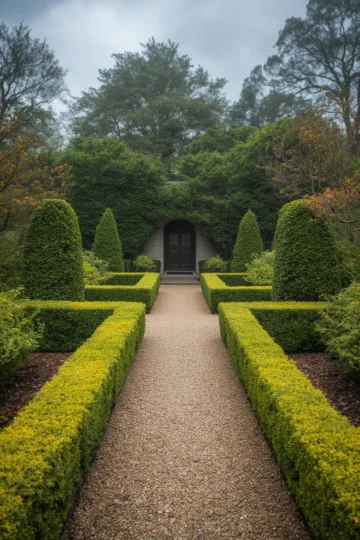
A knot garden is a type of formal garden design characterized by its intricate patterns of low-growing, often evergreen, hedges that are intertwined or “knotted” together. These paths of plants create distinct compartments, which are then typically filled with colorful flowers, aromatic herbs, or textured foliage. Think of it as drawing with plants, creating a beautiful design visible from above, almost like a rug.
Historically, knot gardens were popular during the Tudor and Elizabethan eras, particularly in England. They were seen as symbols of wealth and status, often found in royal palaces and grand estates. While opulent estates might have featured vast, complex designs, the principle of a knot garden is accessible to even the smallest garden. It’s about creating a sense of order, symmetry, and visual delight.
The beauty of a knot garden lies in its structure. The interlocking hedges provide a year-round framework, while the infill plants offer seasonal color and scent. This makes them incredibly versatile, whether you envision a vibrant flower-filled display or a fragrant formal herb garden, english knot garden styles that are perfect for the latter.
The Allure of the Intertwined: Why Choose a Knot Garden?
There are many reasons why a knot garden might be the perfect choice for your garden:
- Unmatched Visual Appeal: The geometric patterns and interwoven designs are incredibly striking and create a focal point in any garden.
- A Touch of History: Bring a piece of classic garden design into your modern space.
- Fragrant Delights: Especially when planted with herbs, a knot garden is a sensory experience, filling the air with delightful aromas.
- Year-Round Interest: Evergreen hedging provides a constant structure and greenery, even in winter.
- Space Optimization: The compact nature of knot gardens makes them ideal for smaller gardens, patios, or even container gardening.
- Beginner-Friendly Structure: While the design can look complex, the foundational elements are surprisingly easy to implement.
Designing Your Knotted Masterpiece: From Idea to Reality
Before you grab your spade, it’s time for some design thinking. The essence of a knot garden is its pattern.
#### Step 1: Sketching Your Vision
Grab a piece of paper and think about the shape you want. Common knot garden patterns include:
- Simple Overlapping Squares/Rectangles: This is a great starting point for beginners.
- Interlocking Circles: Creates a softer, more flowing feel.
- More Complex Knots: Inspired by Celtic designs or even playful shapes.
Consider the size of your space and how the garden will be viewed. Will people primarily see it from a window, a patio, or as they walk through it? This will influence the scale and detail of your design.
#### Step 2: Choosing Your Hedges (The “Knots”)
The “knots” are formed by low-growing hedges. The key is to select plants that are:
- Densely growing: To create a solid, unbroken line.
- Tolerant of frequent clipping: Essential for maintaining crisp edges.
- Preferably evergreen: For year-round structure.
Popular choices include:
- Boxwood (Buxus sempervirens): The classic choice for knot gardens due to its dense growth and fine foliage. It’s also very tolerant of pruning.
- Dwarf Yew (Taxus baccata ‘Repandens’): A slightly more forgiving option than boxwood, with a darker green color.
- Thyme (Thymus spp.): For a fragrant, lower-growing option, especially for smaller knot gardens. Varieties like ‘Woolly Thyme’ (Thymus pseudolanuginosus) create a soft, mossy effect.
- Low-growing Rosemary: Offers fragrance and a beautiful blue hue, but may require a slightly milder climate.
#### Step 3: Selecting Your Infill Plants (The “Bowls”)
The spaces created by your hedges are where you’ll plant your colorful fillers. This is where you can let your creativity shine!
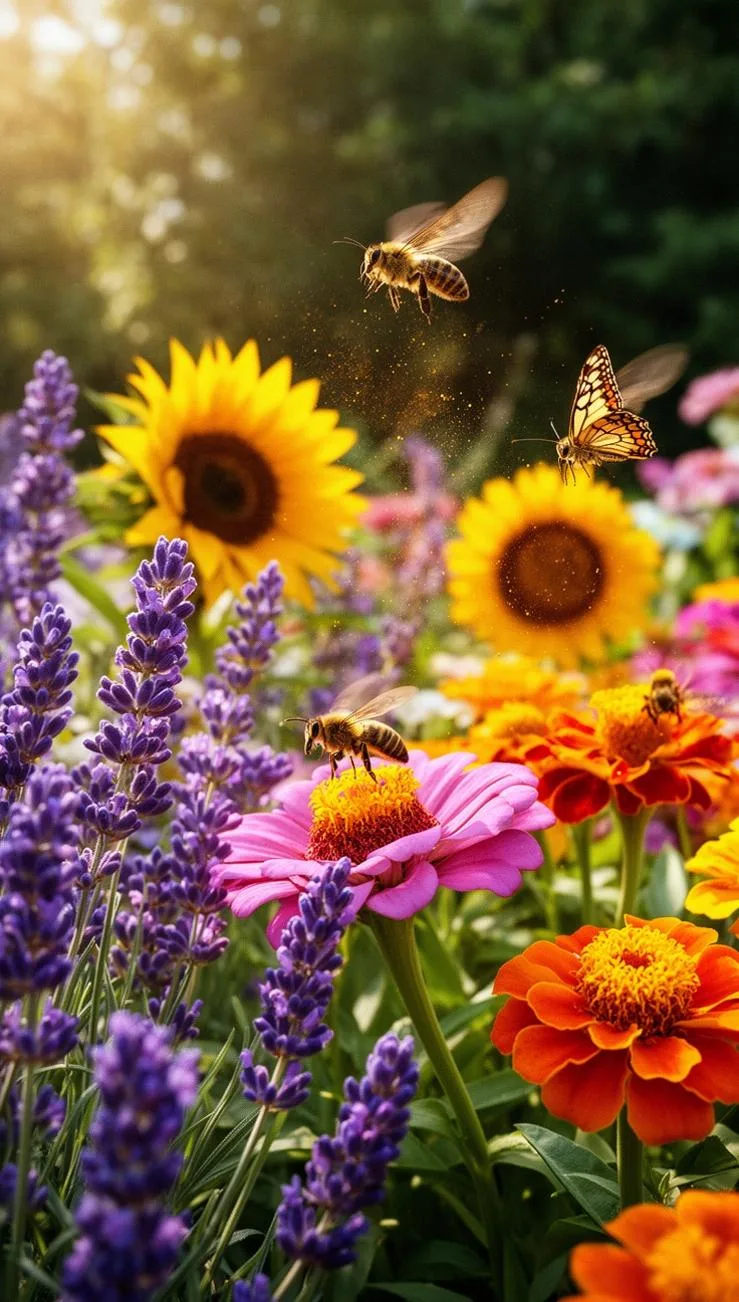
- For a Formal Herb Garden: Plant a variety of culinary and aromatic herbs like lavender, sage, oregano, marjoram, and chives.
- For Vibrant Color: Choose bedding plants with contrasting colors. Think annuals like marigolds, petunias, lobelia, and impatiens, or perennials like violas, pansies, or creeping thyme.
- For Texture and Contrast: Incorporate plants with different foliage textures and colors, such as sedums, ornamental grasses, or succulents.
Step-by-Step: Building Your Knot Garden
Ready to get your hands dirty? Here’s a practical guide to creating your knot garden:
#### 1. Site Preparation:
- Choose your location: Select a spot that receives adequate sunlight for your chosen plants.
- Clear and level the ground: Remove any existing weeds, grass, or debris. Loosen the soil and ensure good drainage.
- Mark your design: Use string, sand, or garden hose to lay out the pattern of your hedge lines. Be precise!
#### 2. Planting the Hedges:
- Dig your trenches: For hedging plants, dig a trench according to the recommended planting depth for your chosen species. If planting multiple rows for a wider hedge, dig accordingly.
- Position the plants: Space your hedging plants according to their mature size, ensuring they will grow together to form a solid line.
- Plant and water: Gently place the plants in the trench, backfill with soil, and water thoroughly.
#### 3. Filling the “Bowls”:
- Prepare the beds: Loosen the soil within the “bowls” (the spaces between the hedges). Amend with compost if necessary.
- Plant your fillers: Arrange your chosen flowering plants, herbs, or foliage plants within the designated areas. Consider height, color, and texture.
- Water and mulch: Water your new plants well and apply a layer of mulch to retain moisture and suppress weeds.
#### 4. Initial Pruning and Shaping:
- Once your hedging plants are established (give them a few weeks), begin gently shaping them.
- Use sharp secateurs or hedge trimmers to create crisp, clean lines. For a true formal herb garden, english knot garden look, precision is key. You’ll want to trim the hedges regularly to maintain their shape and density.
Tips from Experienced Gardeners
- Start Small: If you’re new to this, begin with a simpler pattern and a smaller area. You can always expand later.
- Consider Scale: Ensure the size of your knot garden is proportionate to your overall garden space.
- Plan for Maintenance: Knot gardens require regular upkeep, especially clipping the hedges. Be realistic about the time you can dedicate.
- Think Vertically: While knot gardens are primarily horizontal designs, consider adding a small obelisk or feature plant within a compartment for added dimension.
- Experiment with Materials: For very small knot gardens or containers, consider using gravel paths or even colored sand to define the knot patterns if hedging plants are too much to manage.
Common Mistakes to Avoid
- Overly Complex Designs for Beginners: Don’t bite off more than you can chew. Start simple and master the basics.
- Choosing the Wrong Plants: Ensure your hedging plants are suitable for your climate and your chosen infill plants will thrive in the same conditions.
- Neglecting Pruning: This is crucial! Hedges that aren’t regularly clipped will become straggly and lose their definition.
- Poor Drainage: Waterlogged soil is a death sentence for many plants, especially the fine roots of hedging.
- Lack of a Focal Point (or too many): While the pattern itself is a focal point, consider adding a small statue, sundial, or a particularly striking plant within one of the compartments.
Tools or Materials Needed
- Garden spade and fork: For soil preparation.
- Measuring tape: For accurate layout.
- String and stakes: To outline your design.
- Sharp secateurs or hedge trimmers: For precise pruning.
- Trowel: For planting infill plants.
- Watering can or hose: For watering.
- Compost or soil amendments: To improve soil quality.
- Mulch: For moisture retention and weed suppression.
Seasonal or Climate Considerations
- Climate: Boxwood and yew are generally hardy, but always check the specific hardiness zone for your chosen plants. Thyme and rosemary may require winter protection in colder climates.
- Spring: Ideal for planting new hedges and infill plants.
- Summer: The time for vibrant displays from your flowering infill plants. Regular watering and deadheading will be important. Prune hedges as needed to maintain shape.
- Autumn: A great time to plant spring bulbs in the compartments for early color. Enjoy the changing foliage colors of your infill plants.
- Winter: Your evergreen hedges will provide a constant structure. Ensure pathways are clear and enjoy the minimalist beauty of the dormant garden.
Benefits of This Gardening Method
- Structural Beauty: Provides a defined and elegant framework that enhances the entire garden.
- Year-Round Appeal: Evergreen hedges ensure visual interest in all seasons.
- Sensory Experience: Fragrant herbs and colorful blooms engage multiple senses.
- Sense of Order and Tranquility: The geometric nature can create a calming and organized atmosphere.
- Historical Connection: Connects your garden to centuries of horticultural tradition.
Alternative Methods
While knot gardens are unique, similar effects can be achieved with:
- Parterre Gardens: These are similar but often feature more elaborate raised beds and a wider variety of planting. Think of them as a more complex cousin to the knot garden.
- Edged Flower Beds: Simple edging with low-growing plants can create a sense of order, though without the intricate interwoven pattern.
- Topiary Gardens: Focuses on sculpted, individual plants rather than interwoven hedges, but shares the love for formal shapes.
- Geometric Lawn Patterns: Using low hedging or even just different lengths of grass to create patterns within a lawn.
Conclusion
The knot garden offers a captivating blend of history, artistry, and horticulture. Whether you’re dreaming of a fragrant formal herb garden, english knot garden aesthetic or a vibrant display of flowers, creating one brings a unique sense of order and beauty to your outdoor space. By carefully planning your design, selecting the right plants, and committing to regular maintenance, you can cultivate a living tapestry that will be admired for years to come. It’s a rewarding project that transforms a simple patch of ground into a miniature work of art.
Frequently Asked Questions (FAQs)
Q1: How much space do I really need for a knot garden?
A: You can adapt knot gardens to almost any size. A small, simple design can fit on a patio in containers, while larger designs need more significant garden space. The key is proportion – a small garden shouldn’t have an overwhelmingly large knot garden.
Q2: Can I use plants other than boxwood for the hedges?
A: Absolutely! While boxwood is traditional, plants like dwarf yew, low-growing rosemary, various types of thyme, and even dwarf varieties of lavender can be used, depending on your climate and desired aesthetic. Just ensure they are dense growers and tolerate pruning well.
Q3: How often do I need to prune the hedges?
A: This depends on the plant and how formal you want the look to be. Generally, you’ll need to prune at least twice a year, and sometimes more often for very crisp edges, especially during the growing season (spring and summer).
Q4: What if my garden doesn’t have perfect drainage?
A: You can improve drainage by amending the soil with compost and grit. For particularly challenging areas or container knot gardens, consider building raised beds or using a well-draining potting mix designed for containers.
Q5: Can I create a knot garden with succulents or drought-tolerant plants?
A: Yes, you can! For a succulent knot garden, use sedums, sempervivums, and other low-growing, drought-tolerant succulents as your infill. For the hedging, consider plants like low-growing rosemary or tough varieties of thyme that can tolerate drier conditions. Drainage will be paramount.