The Ultimate Guide to Waking Up Your Landscape: Expert Tips for New Growth
Preparing for the Season of Renewal
As the last traces of frost begin to melt and the morning birdsong grows louder, every gardener feels that familiar itch to get back into the dirt. There is something profoundly rewarding about stepping outside after a long winter and seeing the first shoots of crocuses peering through the soil. However, before you rush to the nursery to buy every blooming flower in sight, it is essential to set a strong foundation. Proper early spring garden care ensures that your plants have the nutrients, space, and structural support they need to thrive during the peak summer months. By investing a little time now in comprehensive spring garden maintenance, you are essentially “pre-loading” your garden’s success and preventing common pest and disease issues before they even start.
Assessing the Winter Damage
Walking the Perimeter
The first step in any gardening project is observation. Take a slow walk around your property with a notebook. Look for signs of “heaving,” where the freeze-thaw cycle might have pushed perennial roots out of the ground. Check for broken crystalline branches on shrubs caused by heavy snow or wind. Identifying these issues early allows you to fix them before the plant puts too much energy into new growth.
Checking Soil Moisture and Texture
One of the biggest mistakes beginners make is working the soil while it is still too wet. If you squeeze a handful of soil and it forms a sticky ball that doesn’t crumble, it is too wet to work. Digging in saturated soil destroys the soil structure, leading to compaction that suffocates roots. Wait until the soil is crumbly and damp, but not soggy.
Cleaning and Clearing the Beds
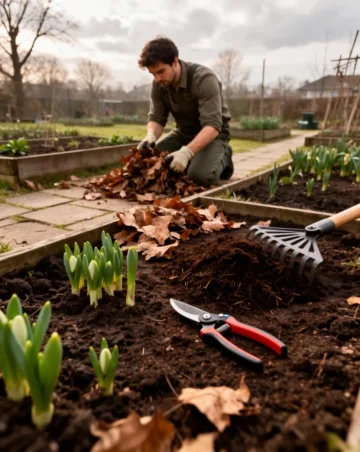
Removing Winter Mulch and Debris
While that layer of dead leaves provided great insulation during the winter, it can become a haven for slugs and snails as temperatures rise. Gently rake away matted leaves from the crowns of your perennials to let the sunlight reach the new shoots. If you used evergreen boughs for protection, now is the time to compost them or move them to a brush pile.
Managing Early Weeds
Hardy weeds like chickweed and henbit often get a head start on your prized flowers. Pulling them now, while the ground is soft and the weeds haven’t gone to seed, will save you dozens of hours of labor in June and July. Aim to get the entire root system to prevent regrowth.
Structural Pruning and Shaping
Deciduous Trees and Shrubs
Early spring is the ideal time to prune many woody plants while they are still dormant. Focus on the “three Ds”: dead, damaged, or diseased wood. For summer-blooming shrubs like Rose of Sharon or panicle hydrangeas, pruning now encourages vigorous new wood which will carry this year’s flowers. However, be careful not to prune spring-bloomers like lilacs or forsythia yet, or you will cut off this year’s flower buds!
Cutting Back Ornamental Grasses
If you left your ornamental grasses standing for winter interest, they likely look a bit tattered by now. Cut them back to about 4–6 inches above the ground before the new green blades start poking through the center of the clump. This keeps the plant looking tidy and prevents the old, brown “straw” from mixing with the fresh growth.
Step-by-Step Instructions for a Successful Start
Following a systematic approach is the best way to manage the transition from winter to spring. Use this checklist to stay organized as you tackle your early spring garden care routine. Consistency is key when performing spring garden maintenance to ensure no corner of your landscape is neglected.
- Step 1: Edge your garden beds. Use a sharp spade or an edging tool to create a clean, 3-inch deep trench between your lawn and your flower beds. This prevents grass from creeping into your garden and gives the landscape a professional, “crisp” look.
- Step 2: Divide perennials. If your hostas, daylilies, or daisies have grown too large or have a “dead center,” dig them up and split them into smaller chunks. Replant them immediately to expand your garden for free.
- Step 3: Apply a soil amendment. Spread a 1- to 2-inch layer of high-quality compost over your beds. You don’t need to dig it in; the earthworms will do the work for you, improving soil fertility and drainage naturally.
- Step 4: Fertilize strategically. Use a slow-release organic fertilizer for your trees and shrubs. Avoid high-nitrogen fertilizers on young plants too early, as a sudden frost could damage the tender new growth spurred by the nitrogen.
- Step 5: Mulch for the future. Once the soil has warmed up slightly, apply a fresh layer of wood chips or bark mulch. Aim for a depth of 2–3 inches, keeping the mulch away from the direct base of tree trunks and plant stems to avoid rot.
Tips from Experienced Gardeners
Listen to the Forsythia
Many veteran gardeners use “phenology”—the study of cyclic natural phenomena. For example, when the bright yellow Forsythia bushes begin to bloom, it is often a signal that the soil temperature has reached about 55°F. This is the perfect time to apply pre-emergent weed preventers or to crabgrass-proof your lawn.
Sharpen Your Tools Early
A clean cut heals faster than a ragged one. Take the time to sharpen your bypass pruners and loppers with a whetstone before you start your spring chores. Not only is it better for the plants, but it also makes the physical labor much easier on your hands and wrists.
Common Mistakes to Avoid
Mulching Too Deep
More is not always better. “Mulch volcanoes”—piling mulch high against a tree trunk—trap moisture against the bark, leading to fungal diseases and bark decay. Always keep the mulch in a flat “donut” shape rather than a mound.
Planting Too Early
It is tempting to buy flat after flat of pansies and petunias at the first sign of a sunny day. Check your local “last frost date.” Planting heat-loving vegetables like tomatoes or peppers when the nights are still in the 40s will stunt their growth for the rest of the season.
Tools and Materials Needed
Having the right gear on hand will make your chores go much faster. Here is a basic list of essentials:
- Bypass Pruners: For clean cuts on living stems.
- Garden Fork: Excellent for aerating soil and lifting perennials for division.
- Sturdy Rake: Both a leaf rake and a hard garden rake for smoothing soil.
- Wheelbarrow: For hauling compost, mulch, and debris.
- Quality Gloves: Protect your hands from thorns and cold, damp soil.
- Organic Compost: The “black gold” of the garden.
Seasonal or Climate Considerations
The Northern Garden
In colder climates, your focus should be on patience. Pushing the season too hard can lead to disappointment if a late-April blizzard strikes. Focus on “dormant” tasks like pruning and tool prep until the ground is completely thawed.
The Southern Garden
In warmer zones, spring happens fast. You may already be seeing active growth in late February. Your priority should be early pest control and ensuring your irrigation system is functional before the heat of May arrives.
Benefits of Timely Spring Care
Taking care of these tasks early isn’t just about aesthetics. It has biological benefits:
- Pest Reduction: Removing dead plant material eliminates the overwintering sites for many harmful insects.
- Better Bloom Quality: Feeding and pruning at the right time ensures larger, more vibrant flowers.
- Water Conservation: Fresh mulch keeps the soil cool and moist, reducing the amount of supplemental watering you’ll need to do in July.
Alternative Methods: The “No-Till” Approach
More gardeners are moving away from traditional tilling. Instead of turning the soil over, consider “sheet mulching” or simply top-dressing with compost. This protects the delicate fungal networks (mycorrhizae) in the soil that help your plants’ roots absorb water and nutrients. It’s a lower-effort method that results in healthier soil over time.
Conclusion
As the garden wakes up, your efforts in these early weeks will pay dividends all year long. By focusing on cleaning, pruning, and soil health, you are creating a resilient environment where your plants can reach their full potential. Remember that early spring garden care is as much about observation as it is about physical labor. Take the time to enjoy the process and watch as your spring garden maintenance transforms a dormant brown landscape into a lush, green sanctuary. Whether you are a beginner or a seasoned pro, there is always something new to learn in the garden every spring.
Frequently Asked Questions
1. When should I start my spring cleanup?
Ideally, wait until temperatures are consistently above 50°F (10°C). This allows beneficial insects, like native bees and ladybugs that over-winter in leaf litter, time to wake up and move out before you disturb their habitat.
2. Can I fertilize my lawn in early spring?
Yes, but wait until the grass starts to turn green and is actively growing. If you fertilize while the grass is still brown and dormant, the nutrients may simply wash away in spring rains rather than being absorbed.
3. Is it okay to prune roses now?
For most roses, the best time to prune is when the leaf buds begin to swell but before they fully open. Look for “foraging” signs like when the yellow Forsythia blooms; that is generally the signal to prune your roses.
4. How do I know if my perennials are dead or just dormant?
Be patient! Some plants, like Rose of Sharon or Butterfly Bush, are “late sleepers” and may not show green growth until late spring. Gently scratch a small bit of bark on a stem; if it’s green underneath, it’s alive.
5. Should I buy plants as soon as they appear in stores?
Only if you have a way to protect them. Garden centers often get shipments of “hardened” plants that have been in greenhouses. If you take them home to a garden that still gets nightly frosts, they may suffer shock. Wait until your local frost-free date for the best results.