Discover the charm of a relaxed, colorful garden that feels like it belongs in a storybook—perfect for anyone just starting out.
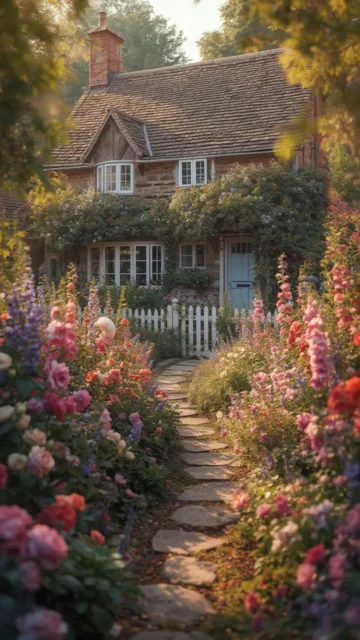
If you’ve ever dreamed of a garden that looks effortlessly beautiful, with a mix of flowers, herbs, and a hint of old‑world romance, you’re in the right place. A cottage garden blends the carefree feel of country living with practical planting ideas that even novices can master. Think winding pathways, blooming borders, and the soothing scent of lavender and roses. In this guide we’ll also explore the allure of an english cottage garden, romantic flower garden style, showing you how to capture that classic look without needing a master horticulturist’s touch.
Design Principles for a Warm, Inviting Space
Embrace Natural Layouts
-
- Allow plants to drift and overlap rather than forcing rigid rows.
-
- Use curving borders or low stone walls to guide the eye.
Color Harmony
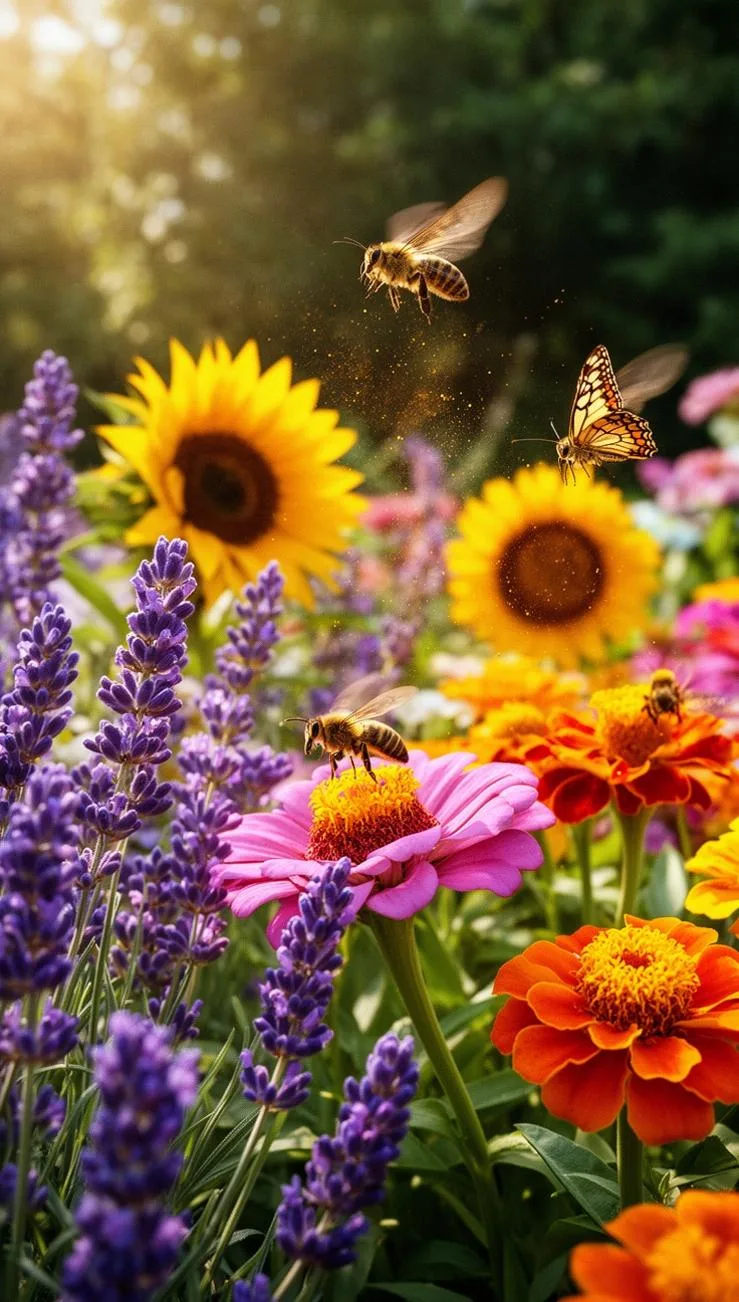
Choose a palette of soft pastels mixed with bold splashes—lavender, pink peonies, deep bluebells, and sunny marigolds. Repeating colors across different heights creates depth.
Choosing the Right Plants
Perennials vs. Annuals
Perennials like hollyhocks and foxgloves return each year, while annuals such as petunias give you seasonal bursts. Mix both for continuous interest.
Herbs and Edibles
Integrate rosemary, thyme, and creeping thyme as groundcovers. They not only add fragrance but also attract pollinators.
Step-by-Step Instructions
Follow these simple steps to bring your dream space to life while keeping the essence of a cottage garden and the timeless feel of an english cottage garden, romantic flower garden:
-
- Plan Your Layout – Sketch a rough map of your garden bed. Mark where you want taller plants (back), mid‑height (center), and low spreading groundcovers (front).
-
- Prepare the Soil – Loosen the top 12 inches, add compost, and work in a slow‑release organic fertilizer. A slightly alkaline pH (6.5‑7) suits most cottage‑style plants.
-
- Plant in Layers – Start with the tallest perennials (e.g., delphiniums), then fill in mid‑height blooms (e.g., roses), and finish with trailing vines (e.g., sweet peas).
-
- Mulch and Water – Apply a 2‑inch layer of shredded bark or straw to retain moisture and suppress weeds.
-
- Seasonal Care – Deadhead spent flowers, divide crowded perennials every 3‑4 years, and feed with a balanced liquid feed in early spring.
Tips from Experienced Gardeners
-
- Group plants with similar water needs together to make irrigation easier.
-
- Use heirloom varieties for that authentic old‑world look.
-
- Leave some “wild” spaces; they invite beneficial insects and add charm.
-
- Remember that a little imperfection—like a stray seedling—adds to the storybook feel.
Common Mistakes to Avoid
-
- Over‑planting – Too many species can lead to competition for nutrients.
-
- Ignoring Soil Health – Skipping soil amendment results in weak growth.
-
- Neglecting Light Requirements – Plant sun‑loving species in shade and vice versa.
-
- Failing to prune: letting roses become woody reduces bloom production.
Tools or Materials Needed
-
- Spade and garden fork
-
- Hand trowel for planting small seedlings
-
- Garden gloves
-
- Pruning shears
-
- Compost and organic fertilizer
-
- Mulch (bark chips or straw)
-
- Watering can or hose with gentle spray nozzle
Seasonal or Climate Considerations
Spring
Start planting early‑blooming perennials and hardy annuals after the last frost.
Summer
Maintain consistent moisture; consider a drip‑irrigation system for efficiency.
Fall
Plant bulbs like daffodils and crocuses for spring color; add winter‑hardy evergreens for structure.
Winter
Use protective cloches or mulch to shield tender plants from freeze damage.
Benefits of a Cottage Garden
-
- Aesthetic Appeal: Soft, romantic visuals that attract both people and pollinators.
-
- Low Maintenance: Once established, many plants are self‑seeding and require minimal upkeep.
-
- Biodiversity: Variety of herbs, flowers, and foliage supports insects and birds.
-
- Edible Harvest: Incorporating herbs and edible flowers provides fresh kitchen ingredients.
Alternative Methods
If a full‑size cottage garden feels overwhelming, try a container cottage garden. Use large pots or reclaimed barrels to mix plants, creating a portable, charming display for patios or balconies. Another option is a border pocket garden, a narrow strip along a fence that still captures the layered planting style.
Conclusion
Creating a cottage garden doesn’t require a sprawling acreage—just a love for natural beauty and a willingness to experiment. By following the simple steps and embracing the timeless charm of an english cottage garden, romantic flower garden, you’ll enjoy a space that feels both personal and picturesque year after year.
Frequently Asked Questions
- What are the best plants for a beginner’s cottage garden?
Perennials like lavender, hollyhocks, and echinacea, combined with easy‑care annuals such as marigolds and zinnias, work well. - How often should I water my cottage garden?
Aim for deep watering 1‑2 times per week, adjusting for rainfall and temperature; early morning is ideal. - Can I grow vegetables in a cottage garden?
Yes—mix in herbs, salad greens, and shallow‑rooted veggies like lettuce or beans among the flowers. - Do I need a formal garden plan?
A loose sketch helps, but the cottage style thrives on natural, slightly irregular planting. - How do I protect my garden in winter?
Apply a thick mulch layer, use cloches or frost covers for tender perennials, and prune dead stems in late fall.