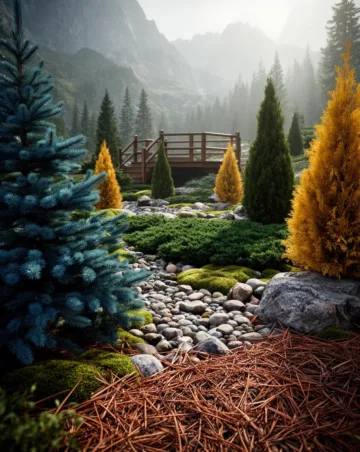
Designing a Lush Evergreen Garden: A Beginner’s Guide
Opening Section
There’s something magical about walking through a garden that stays green all year long. Evergreen plants provide structure, color, and a sense of calm even during the coldest months. For beginner and intermediate gardeners, creating a conifer garden can be an exciting and rewarding project. Not only do conifers add height and texture, but they also require relatively low maintenance compared to many flowering perennials. In this article we’ll explore the basics of building a pine garden, evergreen conifer landscape that looks great and thrives in a variety of climates.
Choosing the Right Conifers
Popular Species for Beginners
- Juniperus (Junipers) – hardy, drought‑tolerant, and available in ground‑cover, shrub, and columnar forms.
- Pinus (Pines) – classic “pine” look, many dwarf varieties perfect for small spaces.
- Thuja (Arborvitae) – fast‑growing, great for hedges and privacy screens.
- Picea (Spruce) – upright habit, fine needles, ideal for focal points.
- Abies (Fir) – soft, silvery foliage, works well as a centerpiece.
Factors to Consider
- Climate zone: Check USDA hardiness zones for each species.
- Soil type: Most conifers prefer well‑draining soil; some, like pines, tolerate sandy conditions.
- Sun exposure: Full sun to partial shade; avoid deep shade for most varieties.
- Space & height: Plan for mature size to prevent overcrowding.
Planning Your Layout
Design Principles
Think of your garden as a living sculpture. Use height, color, and texture to create layers:
- Background: Tall, vertical species (e.g., Norway spruce).
- Mid‑ground: Medium‑size shrubs (e.g., dwarf juniper).
- Foreground: Low‑growers and groundcovers (e.g., creeping juniper).
Sketching the Garden
- Draw a rough to‑scale outline of your planting area.
- Mark existing features (paths, walls, trees).
- Place taller specimens at the back, gradually stepping down to lower plants.
- Leave spacing for mature spread – usually 2–4 feet for dwarf varieties, 6–12 feet for larger conifers.
Step-by-Step Instructions
Follow this simple workflow to turn your design into reality while keeping your conifer garden healthy and attractive. These steps also apply to any pine garden, evergreen conifer landscape you’re planning.
- Soil Preparation: Loosen the top 12‑18 inches, amend with compost if soil is heavy, and ensure good drainage.
- Plant Selection: Purchase certified, disease‑free seedlings or small plants from a reputable nursery.
- Mark Planting Holes: Use a garden trowel or spade to dig holes twice as wide as the root ball but the same depth.
- Planting Technique:
- Place the plant, backfill with native soil mixed with a little compost.
- Firm the soil gently to eliminate air pockets.
- Water thoroughly until water drains from the base.
- Mulching: Apply a 2‑inch layer of pine bark or shredded leaf mulch, keeping a few inches away from the trunk.
- Watering Schedule: Water deeply once a week during the first growing season; reduce frequency thereafter.
- Staking (if needed): Use soft ties to support taller seedlings in windy areas.
- Pruning: Lightly shape in early spring; avoid heavy pruning that can stress the plant.
Tips from Experienced Gardeners
- Group plants with similar water needs together – this simplifies irrigation.
- Plant in wind‑protected spots to reduce needle loss and tip‑burn.
- Use a slow‑release fertilizer in early spring for a gentle nutrient boost.
- Mix evergreen conifers with a few deciduous shrubs for seasonal interest.
- Observe the garden after a frost – conifers often bounce back quickly.
Common Mistakes to Avoid
- Over‑watering: Conifers dislike soggy roots; ensure drainage.
- Planting Too Deep: The root collar should sit at soil level.
- Ignoring Spacing: Crowding leads to disease and poor air circulation.
- Choosing the Wrong Species: Match species to your climate zone.
- Heavy Pruning: Excessive cuts can expose the plant to pests.
Tools or Materials Needed
- Spade or garden fork
- Sharp pruning shears
- Mulch (pine bark or shredded leaves)
- Watering can or hose with a gentle spray nozzle
- Garden stakes and soft ties
- Compost or well‑rotted organic matter
Seasonal or Climate Considerations
Understanding your local climate helps you select the best conifers:
- Cold Winters: Choose hardy species like Colorado blue spruce or dwarf Alberta pine.
- Hot Summers: Opt for drought‑tolerant junipers and Mediterranean cedars.
- Rainy Regions: Ensure good drainage; avoid water‑logged soils.
- Spring Planting: Ideal for most species; fall planting works in milder zones.
Benefits of This Gardening Method or Plant
- Year‑Round Interest: Evergreens keep the garden alive during winter.
- Low Maintenance: Once established, they need minimal pruning and watering.
- Wildlife Habitat: Seeds and needles provide food and shelter for birds.
- Windbreak and Privacy: Dense foliage creates natural screens.
- Soil Stabilization: Deep root systems help prevent erosion on slopes.
Alternative Methods
If you’re looking for variations on the classic approach, consider these ideas:
- Container Conifers: Grow dwarf species in large pots for patios or balconies.
- Mixed Evergreen Borders: Combine conifers with low‑growing aromatic herbs (lavender, rosemary).
- Rock Garden Integration: Plant low‑spreading junipers among stones for a natural alpine feel.
- Seasonal Color Accents: Add spring‑blooming bulbs or autumn foliage shrubs for contrast.
Conclusion
Designing and maintaining a conifer garden is a rewarding way to bring lasting greenery to your outdoor space. By selecting the right species, planning a thoughtful layout, and following the step‑by‑step guide, you’ll create a thriving pine garden, evergreen conifer landscape that provides beauty and structure all year round. Remember to respect each plant’s needs, keep an eye on watering, and enjoy the serene atmosphere that these evergreen giants bring to your garden.
Frequently Asked Questions
- How fast do conifers grow? Growth rates vary; dwarf varieties may add 6‑12 inches per year, while larger species can grow 2‑3 feet annually under optimal conditions.
- Can I plant conifers in the middle of a vegetable garden? Yes, as long as you provide enough space for roots and avoid shading the vegetables that need full sun.
- Do conifers need fertilizer? A light application of slow‑release fertilizer in early spring is beneficial, but over‑fertilizing can harm the plants.
- What’s the best time to prune? Late winter or early spring, before new growth begins, is ideal for most conifers.
- How do I control pests like spider mites? Keep the foliage clean, spray with a mild neem oil solution, and ensure good air circulation to deter infestations.