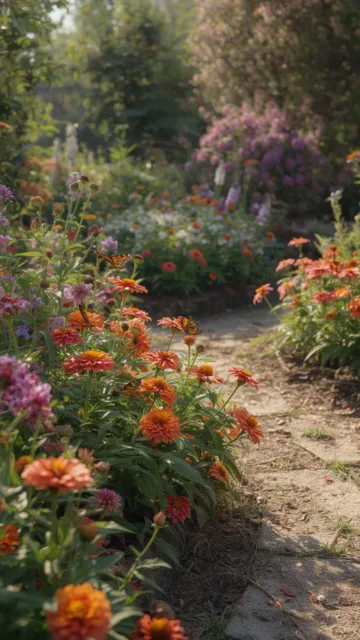
Welcome to a garden that not only looks beautiful but also plays a vital role in supporting local wildlife. Whether you have a small balcony or a spacious backyard, you can design a space that attracts fluttering visitors and provides them with everything they need to thrive.
A thriving butterfly garden can transform any backyard into a lively oasis. By designing a butterfly habitat garden, nectar plants that bloom at different times, you create a continuous food source and safe shelter for a variety of species. Even beginners can achieve impressive results with a little planning and the right plant choices.
Understanding the Basics
Why Butterflies Love Your Yard
-
- They need nectar for energy and pollen for protein.
-
- Host plants are essential for laying eggs; caterpillars can only eat specific leaves.
-
- Sunlight, shelter, and water complete the habitat requirements.
Key Plant Groups
Use a mix of the following:
-
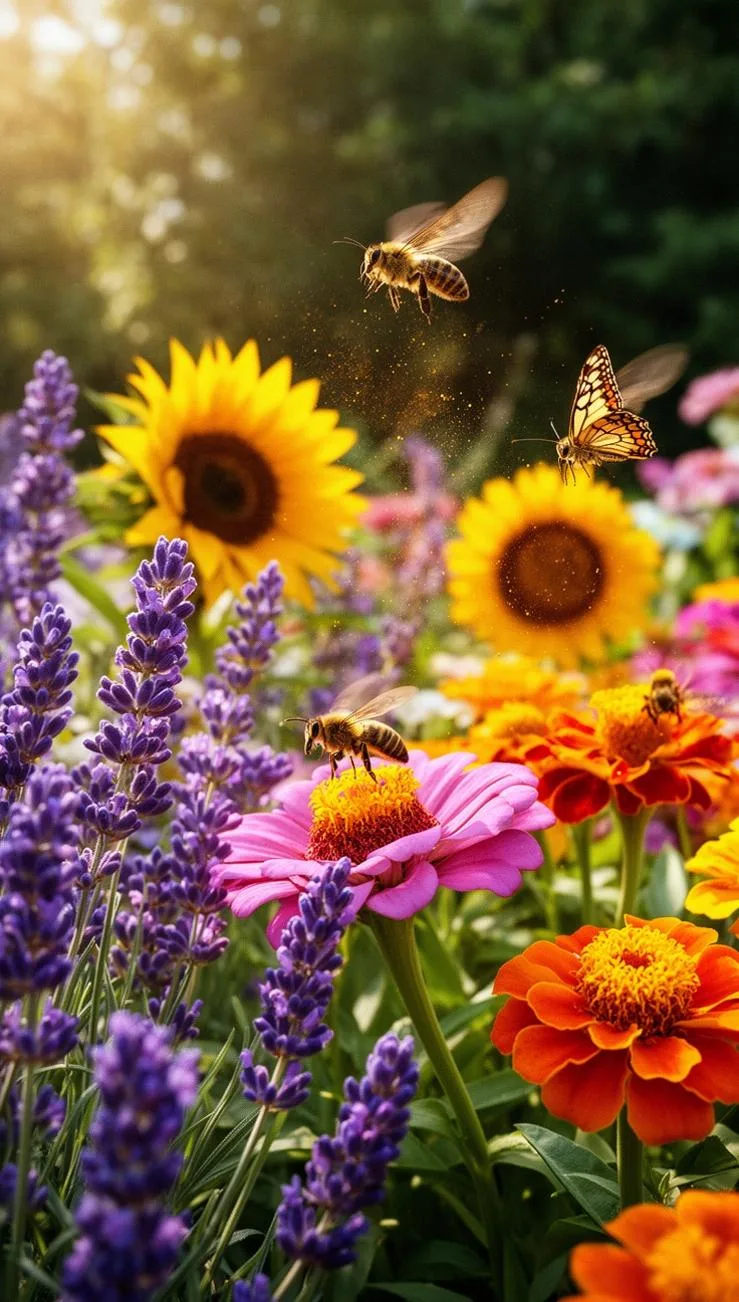
- Nectar sources: Long-blooming flowers such as coneflower, lantana, and butterfly bush.
-
- Host plants: Milkweed for monarchs, parsley and dill for swallowtails, and passionflower for pipevine swallowtails.
-
- Sun‑loving perennials that stand up to heat and provide structural diversity.
Step-by-Step Instructions
Follow these steps to build your own butterfly garden with the right butterfly habitat garden, nectar plants and create a welcoming environment for pollinators.
1. Choose the Right Spot
-
- Select a sunny location that receives at least 6 hours of direct light daily.
-
- Pick a place near a wind‑protected wall or fence to reduce drying out.
2. Prepare the Soil
-
- Remove weeds and loosen the top 12 inches of soil.
-
- Amend with compost or well‑rotted manure to improve drainage and fertility.
3. Layout Your Plant Zones
-
- Place taller nectar plants at the back (or center if the garden is circular).
-
- Arrange host plants in clusters to make it easy for females to locate them.
-
- Incorporate low‑lying groundcovers that retain moisture.
4. Plant in Succession
-
- Stagger planting dates to ensure blooms from early spring through late fall.
-
- Use bulbs, annuals, and perennials together for a continuous display.
5. Add Essential Amenities
-
- Install a shallow water dish with pebbles for landing.
-
- Provide flat stones for basking in the sun.
-
- Consider a small “butterfly house” or rolled bark for shelter.
6. Maintain and Observe
-
- Water regularly during dry spells, keeping the soil moist but not soggy.
-
- Deadhead spent blooms to encourage rebloom.
-
- Monitor for pests and treat with insect‑friendly options only if needed.
Tips from Experienced Gardeners
-
- Group plants by colour to create visual attraction for butterflies.
-
- Use native species whenever possible; they are better adapted to local climates.
-
- Rotate annual nectar plants each year to prevent disease buildup.
-
- Plant in odd numbers (3, 5, 7) to achieve a natural, informal look.
Common Mistakes to Avoid
-
- Planting too many shady species – butterflies need warmth.
-
- Relying solely on one type of flower; diversity keeps the garden alive longer.
-
- Using pesticides – even “organic” chemicals can harm caterpillars.
-
- Neglecting host plants – without them, butterflies will visit but won’t reproduce.
Tools or Materials Needed
-
- Garden trowel and spade
-
- Compost or organic fertilizer
-
- Mulch (bark chips or straw)
-
- Watering can or hose with a gentle nozzle
-
- Garden gloves and kneeling pad
-
- Optional: garden edging to define the area
Seasonal or Climate Considerations
Temperate Zones
Focus on hardy perennials like coneflower, black-eyed Susan, and coreopsis. Add winter‑hardy host plants such as common milkweed.
Mediterranean and Warm Climates
Incorporate heat‑tolerant species like lavender, sage, and lantana. Use raised beds to improve drainage during summer rains.
Cold‑Climate Adjustments
Choose early‑blooming varieties (e.g., columbine) and provide a windbreak. Cover host plants with a lightweight frost cloth if an early freeze is expected.
Benefits of This Gardening Method
-
- Enhances biodiversity by supporting pollinator lifecycles.
-
- Improves garden aesthetics with vibrant colours and movement.
-
- Boosts your local ecosystem, aiding nearby fruit‑bearing plants.
-
- Offers educational opportunities for children and neighbors.
Alternative Methods
If space is limited, consider a “butterfly container garden” using large pots or a hanging basket filled with nectar‑rich annuals. Another option is a “pollinator pathway” – a series of small planting beds that guide butterflies across a property.
Conclusion
Enjoy watching the fluttering visitors in your butterfly garden as the carefully chosen butterfly habitat garden, nectar plants bloom throughout the season. With a little planning, regular care, and the right plant mix, you’ll create a thriving refuge that delights both you and the butterflies.
Frequently Asked Questions
1. How many different flower species should I include?
At least five to ten, spaced so that some are always in bloom.
2. Can I attract monarch butterflies specifically?
Yes—plant milkweed as a host and add orange‑flowered nectars such as tithonia.
3. How often should I water my butterfly garden?
During dry periods, aim for a deep soak once a week; reduce frequency in cooler, rainy months.
4. Is it safe to use mulch?
Mulch retains moisture and suppresses weeds, but keep it a few inches away from the base of host plants to prevent rot.
5. When is the best time to start planting?
Early spring for most perennials; you can sow annuals in late spring after the danger of frost has passed.