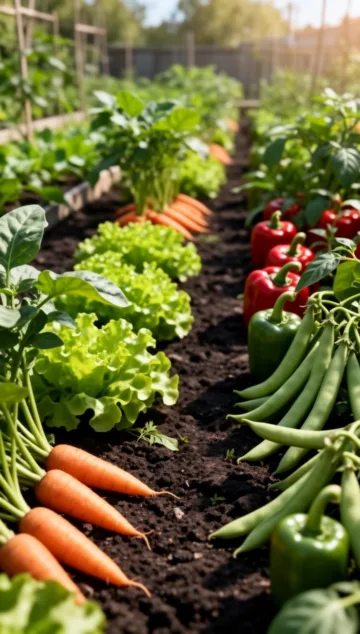
The Ultimate May Planting Guide: Your Blueprint for a Bountiful Harvest
The Magic of Gardening in May
May is arguably the most exciting month for any home grower. As the threat of frost fades into a memory and the soil begins to warm under the strengthening sun, the potential of your backyard explodes. This is the pivotal window where your dreams of a lush, productive summer vegetable garden finally take physical shape. Choosing the right vegetables to plant in may is the secret to ensuring you aren’t just working hard, but working smart with nature’s timeline. Whether you are transitioning from cool-weather greens or starting your first plot, this month offers a unique “sweet spot” for several high-yield crops that love the increasing day length and mild nights.
Heat-Loving Favorites for Your May Garden
May is synonymous with warmth, and there are several heavy hitters that simply won’t thrive until the thermometer stays consistently above 60°F (15°C).
The Versatile Tomato
Perhaps the king of the garden, tomatoes are a May staple. Since they are highly sensitive to frost, planting them now allows them to establish deep roots before the scorching heat of July arrives. Whether you prefer juicy beefsteaks or sweet cherry tomatoes, ensure they have sturdy stakes or cages from day one.
Sweet and Spicy Peppers
Peppers are even more heat-sensitive than tomatoes. If you plant them too early in April, they often sit stunted. Waiting until May ensures the soil is warm enough to trigger rapid growth. Bell peppers, jalapeños, and habaneros all thrive when the ground feels cozy to the touch.
Cucumbers and Summer Squash
These fast growers love the sun. Zucchini and yellow crookneck squash can almost be seen growing in real-time once the May sun hits them. Be sure to provide plenty of space, as these plants like to spread their leaves wide to soak up the energy.
Direct Sowing vs. Transplanting
Understanding how to put your plants in the ground is just as important as knowing what to plant.
Root Vegetables from Seed
Certain vegetables do not like their roots disturbed. Carrots, radishes, and beets should be direct-sown into the garden bed in May. For carrots, ensure your soil is loose and free of stones to prevent “forking.”
Starting from Transplants
For long-season crops like eggplant or peppers, buying “starts” from a local nursery or using your indoor seedlings is the way to go. This gives the plant a 6-to-8-week head start, ensuring you get fruit before the first frost of autumn.
A Step-by-Step Guide to Success
Getting your hands dirty is the best part of the process, but following a logical order will save you time and backaches. When you are selecting your vegetables to plant in may, follow these precise steps to set up your summer vegetable garden for long-term health.
Step 1: Soil Preparation
Before a single seed hits the dirt, use a garden fork to loosen the soil to a depth of about 12 inches. Mix in two to three inches of high-quality compost or well-rotted manure. This provides the nutrient boost your hungry summer crops will need.
Step 2: Hardening Off
If you started seeds indoors, do not move them directly into the hot sun. Spend 7 to 10 days “hardening them off.” Place them outside in a shaded, sheltered spot for a few hours, gradually increasing their exposure to wind and direct sunlight each day.
Step 3: Planting and Spacing
Consult your seed packets for specific spacing. As a rule of thumb, give larger plants like tomatoes at least 24 inches of space for airflow. Dig a hole twice as wide as the root ball, place the plant, and firm the soil gently around the base.
Step 4: Initial Watering and Mulching
Water your new plantings immediately with a gentle shower setting. To keep the moisture in the ground and prevent weeds from competing with your veggies, apply a layer of straw or shredded leaves around the base of the plants.
Tips from Experienced Gardeners
The most successful gardeners often rely on “folk wisdom” that has been backed by science over the years.
Succession Planting
Don’t plant all your bean seeds on the same day. If you plant a small row every two weeks throughout May, you will have a continuous harvest rather than a “veggie mountain” that arrives all at once and potentially goes to waste.
The Importance of Morning Watering
Always try to water your garden in the early morning. This allows the water to soak deep into the roots before the sun evaporates it, and it ensures the leaves dry off during the day, which helps prevent fungal diseases like powdery mildew.
Common Mistakes to Avoid
Even seasoned pros can make blunders during the busy May rush.
Planting Too Early
The biggest mistake is rushing the season. A “freak frost” in early May can kill an entire tray of tomato starts. Always check your local 10-day forecast and ensure the nighttime lows are consistently above 50°F before putting tropical plants in the ground.
Ignoring the Soil pH
Many gardeners focus on water and sun but forget that plants can’t “eat” if the soil chemistry is wrong. Most vegetables prefer a slightly acidic to neutral pH (6.0 to 7.0). If your plants look yellow despite plenty of fertilizer, your pH might be off.
Tools and Materials Needed
You don’t need a shed full of high-tech gear, but these essentials will make your May gardening much easier:
- Hand Trowel: For digging precise holes for transplants.
- Garden Hoe: Perfect for keeping weeds at bay between rows.
- Compost: The “black gold” that fuels plant growth.
- Soaker Hoses: These deliver water directly to the roots and save water.
- Garden Labels: You think you’ll remember where the spicy peppers are, but you won’t—label them!
Seasonal and Climate Considerations
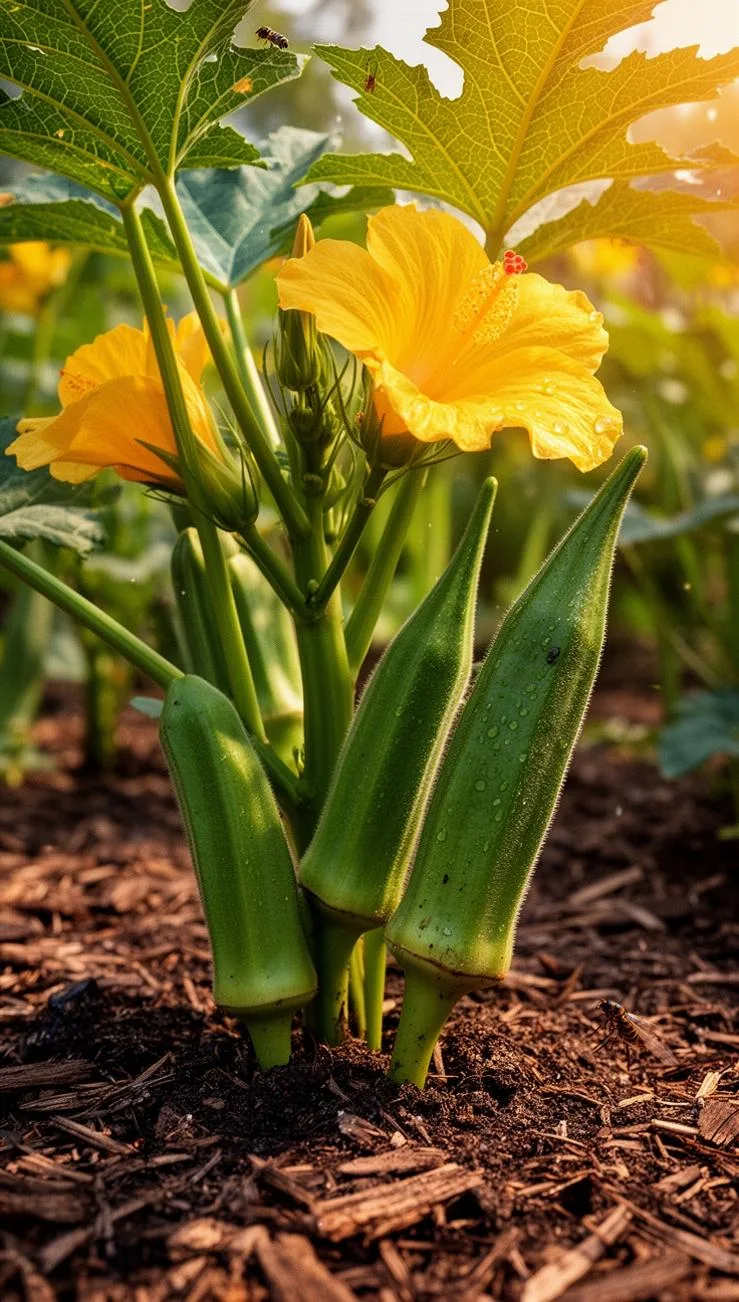
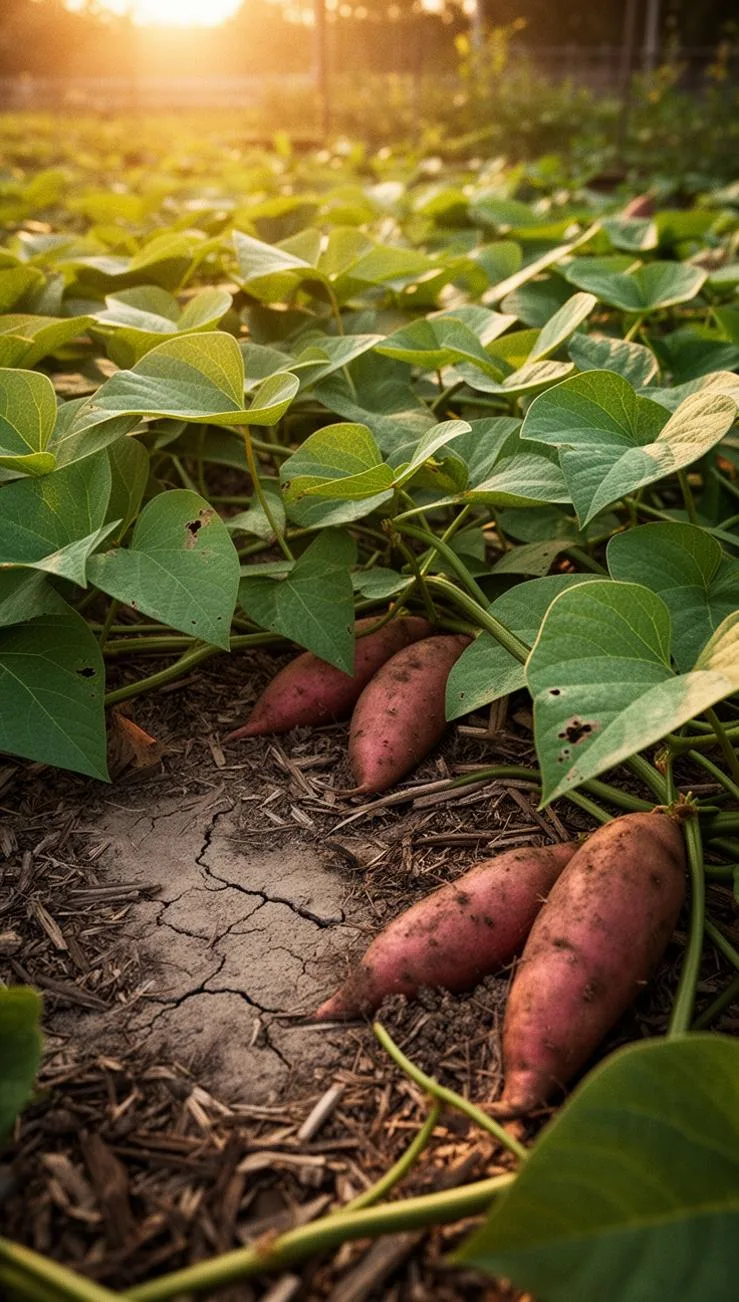
Your geographical location plays a massive role in May gardening. If you are in a Southern climate, May might already be getting too hot for lettuce, and you should focus on okra and sweet potatoes. In Northern climates, May is the very beginning of the season, and you might still need “cloches” or row covers to protect young plants on chilly nights. Always identify your USDA Hardiness Zone to tailor your planting dates perfectly.
Benefits of Gardening in May
Why is May the golden month? First, the soil biology is waking up. Earthworms are active, and beneficial microbes are processing nutrients. Secondly, planting now gives your plants a long “vegetative” phase where they grow strong stems and leaves before they have to put energy into producing fruit. A plant established in May is much more resilient against the droughts of August than a plant put in during June.
Alternative Methods: Containers and Vertical Growth
If you have a small backyard or only a balcony, you don’t have to miss out on the May planting fun.
Container Gardening
Almost any vegetable can grow in a pot if the pot is big enough. “Patio” varieties of tomatoes and cucumbers are specifically bred to thrive in containers. Just remember that pots dry out faster than the ground, so you may need to water daily.
Vertical Gardening
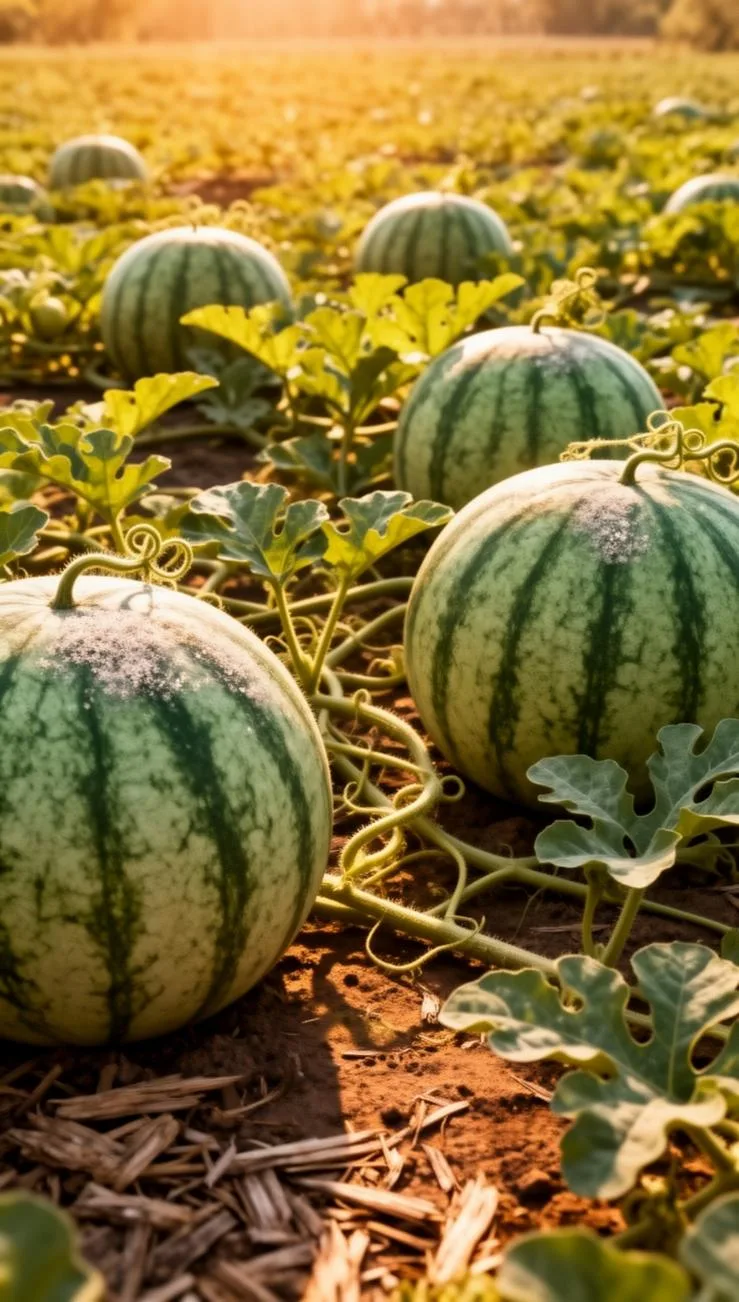
Use the “up” space! Pole beans, peas, and even small melons can be trained to grow up a trellis or a cattle panel. This saves ground space and keeps the fruit off the dirt, reducing rot and pest damage.
Conclusion
To wrap up, May is the ultimate transition period where your garden shifts from a quiet brown plot to a vibrant, living pantry. By focusing on heat-loving vegetables to plant in may, you are setting the stage for a successful and abundant summer vegetable garden that will provide fresh produce well into the autumn. Remember to prepare your soil, respect the temperature needs of your plants, and stay consistent with watering. Gardening is a journey of patience and observation, so enjoy the process as much as the harvest!
Frequently Asked Questions
1. Can I still plant lettuce and spinach in May?
In most climates, May is getting a bit warm for traditional greens, which tend to “bolt” (go to seed) in the heat. Look for “slow-bolt” varieties or plant them in the shade of larger plants like tomatoes to keep them cool.
2. How often should I fertilize my May plantings?
If you added plenty of compost at planting time, you might not need to fertilize again for 4-6 weeks. Once the plants start flowering, you can add a balanced organic fertilizer to support fruit production.
3. What is the best way to keep pests away from young May seedlings?
Physical barriers are best for beginners. Use “collars” made from toilet paper rolls to stop cutworms, or light mesh row covers to keep beetles and birds away while the plants are small.
4. Is it too late to start seeds indoors in May?
For slow-growing plants like peppers, it is generally too late to start seeds indoors. It is better to buy established starts from a nursery. However, fast growers like beans, squash, and cucumbers can be started from seed directly in the ground.
5. How do I know if my soil is warm enough to plant?
While you can use a soil thermometer (aim for 60°F+), a simple trick is the “finger test.” If you can comfortably stick your finger in the soil for a full minute without it feeling painfully cold, it’s usually ready for most summer crops.