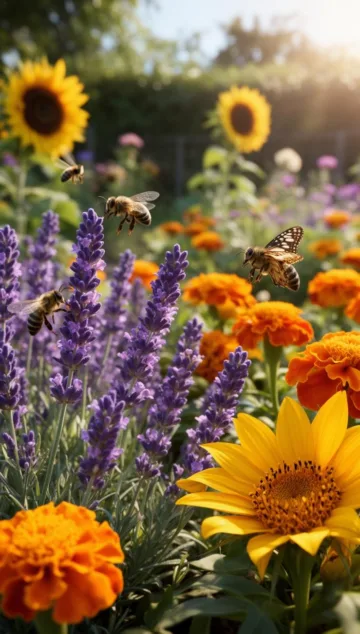
The Ultimate Guide to Boosting Your Garden’s Biodiversity This Spring
As the frost retreats and the soil begins to warm, gardeners across the country are eager to get their hands dirty. May is arguably the most critical month for the backyard ecosystem. It is the bridge between the late-spring blooms and the full explosion of summer color. During this transitional period, pollinator plants may be the single most important addition you make to your landscape. By choosing the right varieties, you aren’t just adding beauty to your flower beds; you are providing a vital lifeline for displaced insects. Creating a sanctuary of bee friendly garden plants ensures that your local ecosystem stays resilient, productive, and buzzing with life throughout the growing season.
Understanding the Role of May Pollinators
In the gardening world, May is often seen as a “hungry gap.” While early bulbs like tulips and daffodils have faded, many summer perennials haven’t quite reached their peak. This gap can be difficult for emerging queens and migrating insects looking for high-quality nectar and pollen.
Why Diversity Matters
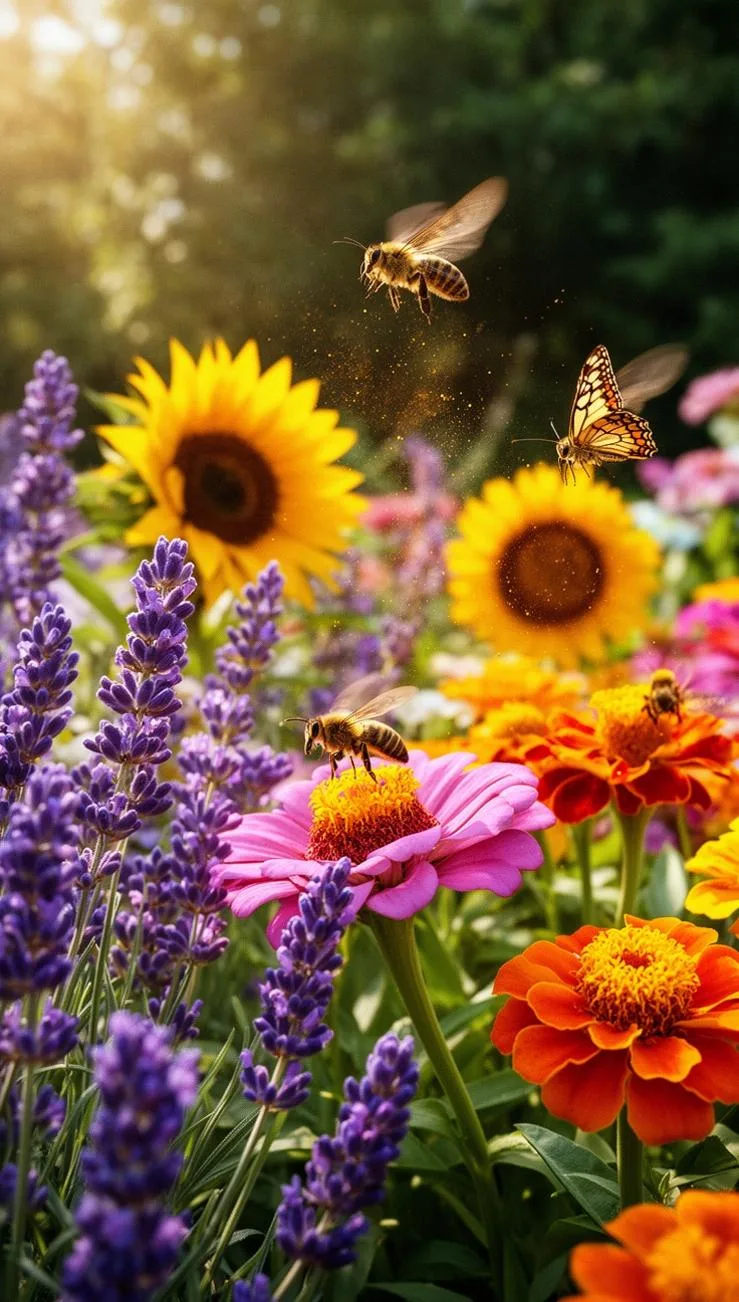
A monoculture of one type of flower won’t support a wide range of species. Different pollinators have different mouthparts; a long-tongued bumblebee can reach nectar that a small hoverfly cannot. By planting a variety of shapes—such as tubular, flat, and spiked flowers—you invite a diverse guest list to your garden party.
Native vs. Non-Native Species
While many exotic flowers are beautiful, native plants have co-evolved with local insects. Native plants often provide higher nutritional value and are more resistant to local pests and weather patterns, making them a low-maintenance win for any hobbyist.
Best Flowers to Plant Right Now
If you are looking to fill your garden with color and purpose, focus on these reliable varieties that thrive when planted or established in late spring.
Perennial Powerhouses
- Coneflower (Echinacea): A classic favorite that offers a landing pad for butterflies and stems that provide winter habitat for solitary bees.
- Bee Balm (Monarda): As the name suggests, this plant is a magnet for bees and hummingbirds. Its unique, raggedy blooms add a touch of whimsy.
- Salvia: With its tall spikes of purple or blue, Salvia is a nectar-rich choice that blooms repeatedly if deadheaded.
Fast-Growing Annuals
If you need quick coverage while your perennials grow, annuals are the answer. Zinnias and Cosmos are incredibly easy to grow from seed in May and will bloom until the first frost, providing a consistent food source.
Setting the Stage for Success: Step-by-Step Instructions
Creating a thriving habitat requires more than just digging a hole. Follow these steps to ensure your new additions thrive and attract the maximum amount of wildlife.
Step 1: Assess Your Sunlight
Most nectar-rich flowers require at least six hours of direct sunlight. Observe your garden throughout the day to identify “hot spots” where butterflies will love to sun themselves while feeding.
Step 2: Prepare the Soil
Pollinator-friendly plants generally prefer well-draining soil. Mix in a bit of organic compost to provide slow-release nutrients without the need for harsh chemical fertilizers, which can harm delicate larvae.
Step 3: Planting and Spacing
When you realize that pollinator plants may require specific spacing to allow for air circulation, you’ll prevent powdery mildew. Space your bee friendly garden plants according to the nursery tag, usually about 12 to 18 inches apart for medium perennials. Dig a hole twice as wide as the root ball, place the plant, and firm the soil gently around the base.
Step 4: Layering the Bloom Times
Arrange your plants so that something is always in flower. Grouping plants in “drifts” (clusters of 3 or 5 of the same species) makes it easier for bees to spot them from the air than if they were scattered individually.
Step 5: Initial Watering
Water deeply immediately after planting. For the first two weeks, keep the soil consistently moist but not soggy to help the roots establish before the summer heat hits.
Tips From Experienced Gardeners
Seasoned pros know that a “perfect” garden isn’t always a “pollinator” garden. Here are a few insider secrets:
- Embrace a Little Mess: Leave a small patch of bare soil for ground-nesting bees and keep some dried hollow stems for solitary bees to lay eggs in.
- Avoid Double-Blooms: Highly bred “double” flowers often have so many petals that bees cannot reach the nectar. Stick to single-bloom varieties.
- Provide a Water Station: A shallow dish filled with pebbles and water allows bees to drink without the risk of drowning.
Common Mistakes to Avoid
Beginning gardeners often fall into these common traps that can inadvertently harm the very creatures they are trying to help.
Using Systemic Pesticides
Even if a plant is marketed as “bee-friendly,” if it was treated with neonicotinoids at the nursery, it can be toxic. Always ask your local garden center if their plants are pesticide-free.
Over-Mulching
While mulch is great for moisture retention, a four-inch thick layer of wood chips can prevent ground-nesting bees (which make up about 70% of bee species) from reaching the soil. Use light mulch or leave some areas clear.
Focusing Only on Flowers
Don’t forget the “nursery” phase. Butterflies need host plants (like Milkweed for Monarchs or Dill for Swallowtails) to lay their eggs. If you only provide nectar, you’re missing half the lifecycle.
Tools and Materials Needed
You don’t need a shed full of expensive equipment to get started. For a May planting project, gather the following:
- Hand Trowel: For digging precise holes.
- Gardening Gloves: To protect your hands from thorns and soil bacteria.
- Organic Compost: To enrich the planting site.
- Soaker Hose or Watering Can: For gentle, targeted hydration.
- Plant Labels: To remember what you planted where, especially if you are starting from seed.
Seasonal and Climate Considerations
In May, weather can be unpredictable. If you live in a northern climate, keep an eye on late-night frost warnings. Have some frost blankets or old sheets ready to cover tender new transplants if temperatures dip below freezing.
In southern climates, May can already be quite hot. Planting in the late afternoon or on a cloudy day can reduce “transplant shock,” allowing the plant to settle in without the stress of the midday sun.
Benefits of This Gardening Method
Why focus so heavily on pollinators? Beyond the joy of seeing butterflies, there are tangible benefits for the gardener:
- Better Harvests: If you grow vegetables like zucchini, tomatoes, or apples, having more bees in your yard will significantly increase your crop yields.
- Natural Pest Control: Many pollinator plants also attract beneficial insects like ladybugs and lacewings, which eat aphids and mites.
- Mental Wellbeing: Studies show that observing nature and working in the soil reduces stress and improves mood.
Alternative Methods: Container Gardening
If you don’t have a large yard, don’t worry! You can still make a huge impact with containers. A large pot on a balcony filled with Lavender, Oregano, and Alyssum can serve as a “refueling station” for urban pollinators. Just remember that container plants dry out faster than those in the ground, so daily watering may be necessary during hot spells.
Conclusion
Gardening in the spring is a hopeful act, and choosing the right species makes that hope functional for the environment. While pollinator plants may require a bit of planning and initial care, the rewards are visible in every flutter of a wing and every buzz in the air. By intentionally selecting bee friendly garden plants, you are transforming your outdoor space into a vital sanctuary that supports biodiversity and ensures a thriving, healthy planet for seasons to come. Happy planting!
Frequently Asked Questions
What are the best flowers for honey bees in May?
Honey bees particularly love borage, catmint, and chives. These plants produce high volumes of nectar and are very easy for bees to access.
How often should I water my new pollinator garden?
Newly planted flowers should be checked daily. If the top inch of soil is dry, give them a good soak. Once established (usually after 4-6 weeks), most native pollinator plants are quite drought-tolerant.
Do I need to use fertilizer?
Most native flowers prefer “lean” soil. A small amount of compost at planting is usually enough. Excessive nitrogen can actually lead to more leaves and fewer flowers.
Will these plants attract wasps?
While some wasps are pollinators, they generally aren’t aggressive when they are foraging on flowers. Most “bee-friendly” plants attract peaceful solitary bees and bumblebees.
Can I grow these plants in the shade?
While many pollinators prefer sun, you can plant Jacobs Ladder, Foxglove, and Columbine in shadier spots to support forest-dwelling insects.