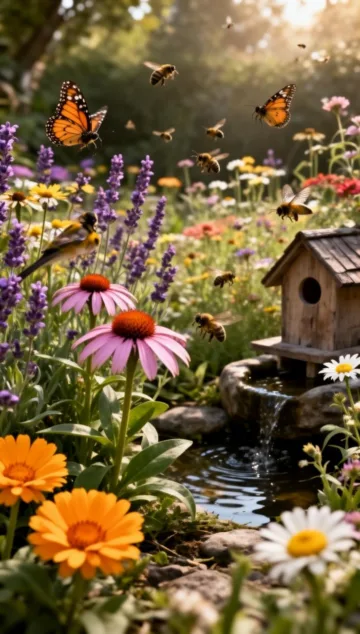
Nature at Your Doorstep: The Ultimate Guide to Creating a Living Landscape
Imagine waking up to the rhythmic hum of bumblebees, the vibrant flash of a butterfly’s wing, and the melodious song of a goldfinch right outside your window. For many of us, the garden is a sanctuary, but for local fauna, it can be a vital lifeline. By choosing the right wildlife garden plants, you are doing more than just decorating your outdoor space; you are building a functional ecosystem. When you decide to cultivate a garden for wildlife, you transform a static plot of land into a thriving, breathing habitat that supports biodiversity and brings the wonders of the natural world directly to your doorstep.
Understanding the Ecosystem Approach
Building from the Ground Up
A successful habitat isn’t just about the flowers. It is about layers. Think of your garden like a forest: you need the canopy (trees), the understory (shrubs), and the ground cover (perennials and grasses). Each layer provides different niches for different creatures. Beetles and ground-nesting bees love the leaf litter, while birds need the heights of trees for nesting and safety from predators.
Native vs. Non-Native Species
While many exotic flowers are beautiful, native plants have co-evolved with local insects for thousands of years. For example, the Monarch butterfly depends specifically on Milkweed. By prioritizing local flora, you provide the exact “language” of food and shelter that your local pollinators and birds are looking for.
Top Plant Recommendations for Every Layer
Pollinator Powerhouses
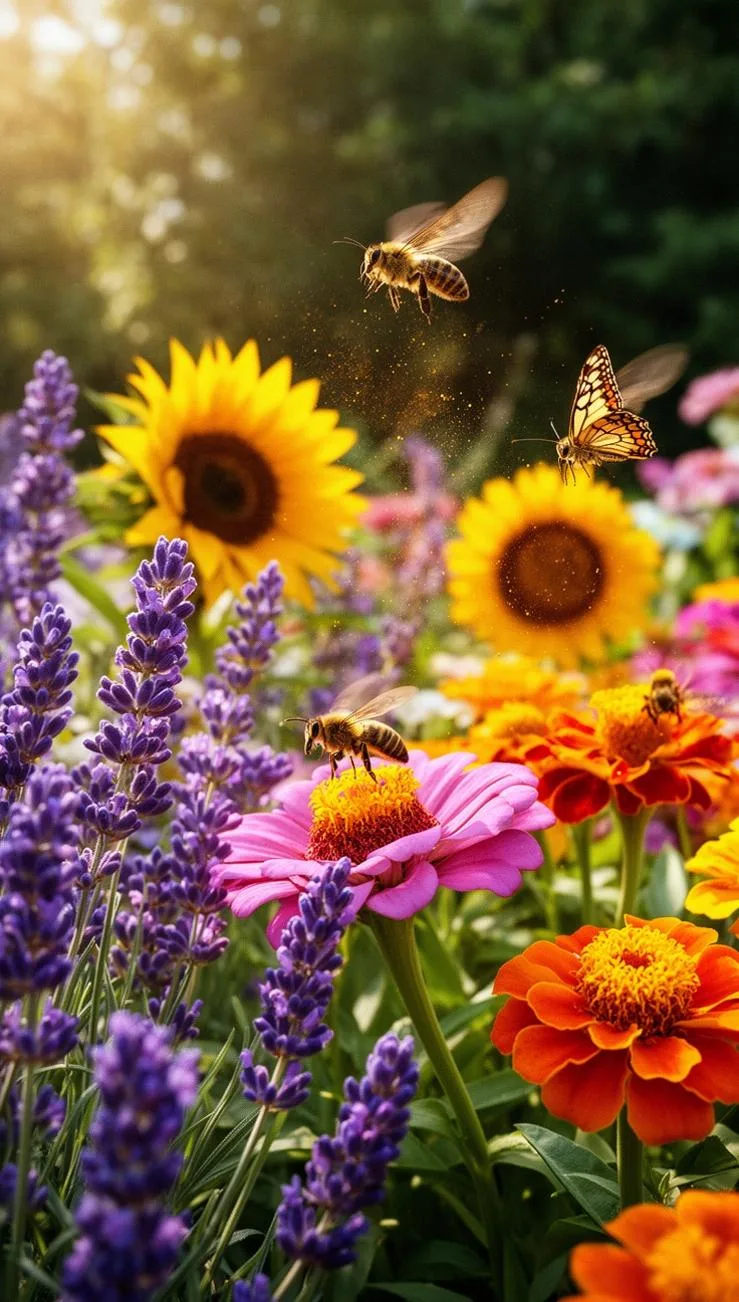
To attract bees, butterflies, and hoverflies, look for nectar-rich blooms. Lavender, Buddleia (Butterfly Bush), and Echinacea (Coneflower) are classic choices. Don’t forget the “landing pads”—flat-topped flowers like Yarrow or Sedum allow larger butterflies to sit comfortably while they drink nectar.
Berry-Bearing Shrubs for Birds
To keep birds visiting through the winter, plant shrubs that produce high-energy fruits. Holly, Hawthorn, and Elderberry are exceptional choices. These provide essential fats for birds during the lean months when insects are scarce.
Night-Scented Plants for Moths and Bats
We often forget the “night shift.” Planting evening primrose, jasmine, or honeysuckle releases scents at dusk. This attracts moths, which in turn provides a feast for local bat populations.
Step-by-Step Instructions: Creating Your Habitat
Creating a haven for nature doesn’t have to happen overnight. Follow these steps to transition your space effectively:
Step 1: Map Your Sun and Soil
Observe your garden for a full day. Note which areas get 6+ hours of sun and which stay damp. Matching wildlife garden plants to their preferred conditions ensures they thrive with minimal chemical intervention.
Step 2: Reduce the Lawn
Lawns are often “green deserts” with very little ecological value. Consider carving out a corner to turn into a wildflower meadow or a soft border of native grasses. This creates a safe corridor for small mammals like hedgehogs or toads to move through.
Step 3: Plant in Drifts
Instead of planting one of everything, plant in groups of three or five. This makes it much easier for pollinators to spot the flowers from the air and allows them to forage more efficiently without wasting energy flying long distances between blooms.
Step 4: Add a Water Source
Even a small birdbath or a shallow stone dish filled with pebbles and water can make a huge difference. Insects needs to drink too, and the pebbles give them a safe place to land without drowning.
Step 5: Maintenance that Matters
Once you have established your garden for wildlife, learn to be a “lazy” gardener. Leave the seed heads on the stalks over winter for the birds, and don’t clear away every fallen leaf—this is where ladybugs and lacewings overwinter.
Tips from Experienced Gardeners
Embrace the “Mess”
Experienced wildlife gardeners know that a pristine garden is often a sterile one. A small pile of logs in a shaded corner provides a five-star hotel for stag beetles and amphibians.
Sequence Your Blooms
Aim for “successional flowering.” This means having something in bloom from early spring (like Crocuses for early emerging queens bees) all the way through late autumn (like Ivy or Asters).
Avoid Disturbance
If you find a bird nesting in a hedge, keep your distance and delay any trimming until the fledglings have left. Nature works on its own timeline; our job is to stay out of the way.
Common Mistakes to Avoid
Using Pesticides and Herbicides
Chemicals don’t discriminate. If you spray to kill aphids, you also kill the ladybugs that eat them and the birds that eat the ladybugs. Switch to organic methods or simply let nature find a balance.
Over-Cleaning in Autumn
Resist the urge to “tidy up” for winter. Dead hollow stems are the primary nesting sites for many solitary bees. Wait until the weather warms up in late spring before doing your big clear-out.
Planting Invasive Species
Some plants provide nectar but take over the entire environment, choking out native variety. Always check the invasive species list for your specific region before planting.
Tools and Materials Needed
The Basics
- A sturdy spade and fork for planting shrubs and perennials.
- Secateurs for light pruning (to be used sparingly!).
- Hand trowel for smaller plug plants.
The Wildlife Extras
- Bird Feeders: To supplement their diet while your plants mature.
- Insect Hotels: To provide nesting holes for solitary bees.
- Mulch/Compost: To improve soil health naturally and provide a home for worms.
Seasonal and Climate Considerations
Winter Survival
In colder climates, focus on evergreen cover. Plants like Yew or Ivy provide thick, sheltered spots where birds can hide from snow and freezing winds.
Summer Drought
In arid regions, choose drought-tolerant natives like Agastache or California Poppies. These plants are adapted to survive with very little water while still pumping out nectar for thirsty insects.
Spring Awakening
Spring is the busiest time. Focus on “early hitters”—willow trees and dandelions are some of the first sources of pollen. (Yes, dandelions are great for wildlife!)
Benefits of This Gardening Method
Natural Pest Control
When you invite wildlife in, you recruit a tiny army of helpers. Frogs and toads will eat your slugs, and hoverflies will devour your aphids, reducing the need for manual pest management.
Educational Opportunities
A wildlife-friendly garden is a living classroom. It’s a wonderful way to teach children about life cycles, the changing seasons, and the importance of conservation.
Mental Wellbeing
Studies have shown that observing nature and being in green spaces significantly reduces stress and anxiety. There is a deep biological satisfaction in knowing you are helping your local environment.
Alternative Methods
Container Wildlife Gardening
If you only have a balcony or a small patio, don’t worry! You can still contribute. Large pots filled with lavender, tubs of sunflowers, or even a window box with herbs like oregano and thyme will still attract bees and butterflies.
Vertical Habitats
If ground space is at a premium, go up. Growing climbers like Clematis or Honeysuckle against a fence provides nesting sites and nectar without taking up floor space.
Conclusion
Transitioning your outdoor space into a sanctuary is a rewarding journey that benefits both the planet and your personal well-being. By selecting a diverse range of wildlife garden plants, you provide the essential food and shelter that local species need to survive in an increasingly urbanized world. Remember that every small action—from leaving a pile of leaves to planting a single nectar-rich flower—contributes to a larger network of habitats. As you build your garden for wildlife, you’ll find that the more you give to nature, the more it gives back to you in beauty, song, and serenity.
Frequently Asked Questions
Which plants are best for small gardens?
Focus on “multi-purpose” plants. A small Crabapple tree is perfect: it has blossoms for bees in spring, beautiful foliage, and fruit for birds in autumn, all while taking up very little horizontal space.
Do I need to have a pond to attract wildlife?
No, but water is a huge draw. If you don’t have space for a pond, a simple birdbath or even a saucer of water with some stones for insects to land on will be very effective.
Are “weeds” like dandelions and nettles really helpful?
Absolutely! Nettle is a primary food source for the caterpillars of Red Admiral and Peacock butterflies. Dandelions provide crucial early-season nectar when few other things are blooming.
How long does it take to see results?
Surprisingly fast! If you plant nectar-rich flowers in the morning, you might see bees and butterflies visiting them by the afternoon. Larger changes, like birds nesting in new hedges, may take a season or two.
Can I still have a “pretty” garden if it’s for wildlife?
Yes! Many of the most beautiful garden plants, like Foxgloves, Lupines, and Alliums, are also the best for pollinators. A wildlife-friendly garden can be just as aesthetic as a formal one, often with more color and movement.