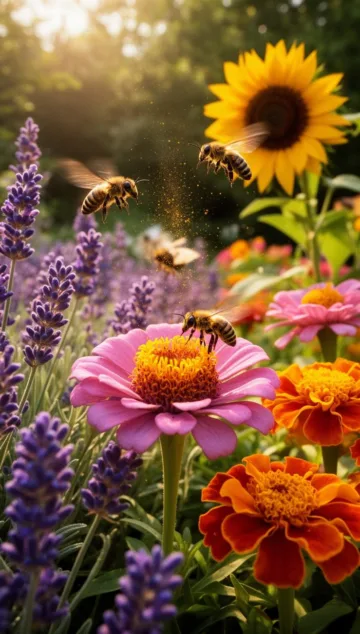
Buzzing Gardens: The Ultimate Guide to Enhancing Your Yard with Summer Blooms
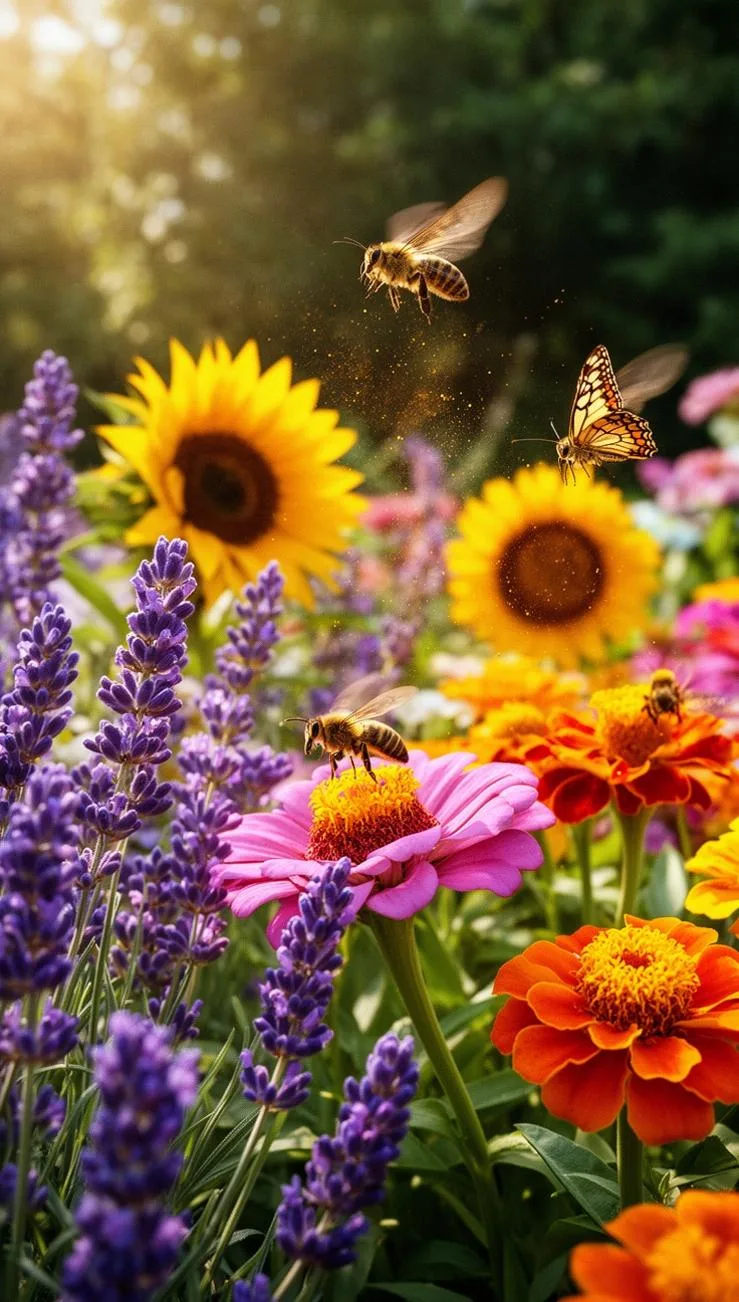
There is nothing quite like the sight of a sun-drenched garden teeming with life. As the temperatures rise, our outdoor spaces become more than just a place for us to relax; they become vital lifelines for bees, butterflies, and hummingbirds. Creating a sanctuary for these creatures is one of the most rewarding projects a home gardener can undertake. By choosing the right summer pollinator plants, you aren’t just adding a splash of color to your landscape; you are actively contributing to the local ecosystem. Understanding which pollinator flowers summer experts recommend can help you bridge the gap between a quiet yard and a thriving, biodiverse habitat that sings with the sound of wings and whispers of wind.
The Vital Role of Pollinators in Your Summer Garden
Pollinators are the unsung heroes of our food system and natural environment. Without them, many of the fruits and vegetables we enjoy—like strawberries, tomatoes, and blueberries—would fail to produce. In the heat of July and August, natural food sources can sometimes dry up, making your backyard habitat more important than ever.
Why Summer is a Critical Window
During the height of summer, many spring-blooming plants have already faded. This “mid-summer gap” can be a time of scarcity for insects. By planting varieties that peak during the hottest months, you ensure that bees and butterflies have a consistent energy source to sustain their populations through the season.
Understanding the “Pollinator Palette”
Pollinators see the world differently than we do. Bees are particularly attracted to blues, purples, and yellows, while hummingbirds are famous for their love of bright reds and tubular shapes. A diverse garden uses a “palette” of colors and shapes to ensure every visitor finds a meal tailored to their specific needs.
Top Plant Picks for a Buzzing Summer Landscape
To get the best results, you need a mix of perennials (plants that come back every year) and annuals (plants that bloom vigorously for one season). Here are some of the most reliable performers for a summer-long show.
Purple Coneflower (Echinacea)
A staple in any pollinator garden, Echinacea is rugged, drought-tolerant, and absolutely loved by butterflies. Its large, flat landing pads make it easy for insects to perch and drink nectar. Once the flowers fade, the seed heads provide food for goldfinches in the autumn.
Bee Balm (Monarda)
As the name suggests, this plant is an absolute magnet for bees. It features unique, shaggy blossoms that look like something out of a Dr. Seuss book. It is also a favorite for hummingbirds due to its nectar-rich tubular petals. Just be sure to provide plenty of air circulation to prevent powdery mildew.
Zinnias
If you want maximum impact with minimum effort, zinnias are your best friend. These annuals are incredibly easy to grow from seed and offer a “buffet” style experience for various butterfly species. They bloom continuously from early summer until the first frost.
Black-Eyed Susans (Rudbeckia)
With their cheerful yellow petals and dark centers, these plants are the workhorses of the summer garden. They are incredibly hardy and provide a critical source of pollen for native bees during the hottest weeks of the year.
Step-by-Step Instructions: Designing Your Pollinator Haven
Building a garden that attracts wildlife isn’t just about throwing seeds on the ground; it requires a bit of intentionality. Follow these steps to ensure your summer pollinator plants thrive and provide the highest quality habitat. When selecting your layout, remember that grouping pollinator flowers summer varieties together in “drifts” makes them easier for flying insects to spot from a distance.
Step 1: Choose the Right Location
Most pollinator-friendly plants require full sun, which means at least six to eight hours of direct sunlight per day. Butterflies, in particular, need the warmth of the sun to regulate their body temperature and fly effectively.
Step 2: Prepare the Soil
Before planting, clear the area of weeds and grass. Amend the soil with high-quality compost to provide a nutrient-rich foundation. Most of these plants prefer well-draining soil, so avoid areas where water tends to pool after a heavy rain.
Step 3: Plant in Clusters
Instead of planting one of each flower scattered around, plant them in groups of three or five. This creates a “target” for pollinators, allowing them to forage more efficiently without spending too much energy flying from one plant to the next.
Step 4: Provide a Water Source
Pollinators get thirsty too! A shallow “puddling station”—a simple saucer filled with water and a few flat stones for landing—is a wonderful addition. This allows bees and butterflies to drink safely without the risk of drowning.
Step 5: Mulch and Maintain
Apply a layer of organic mulch to help retain moisture and suppress weeds. Water your new plants regularly until they are established. Deadheading (removing spent blooms) will often encourage the plant to produce even more flowers throughout the season.
Tips from Experienced Gardeners
- Think in Layers: Combine tall plants like Joe Pye Weed with mid-sized flowers like Salvia and low-growing groundcovers like Creeping Thyme to utilize all the vertical space in your garden.
- Leave Some “Mess”: While we love a tidy garden, many native bees nest in the ground or in hollow plant stems. Leaving a small patch of bare soil or waiting until spring to cut back dead stems can provide essential nesting habitat.
- Avoid Pesticides: This is the most important rule. Chemicals designed to kill “pests” often kill beneficial pollinators too. Embrace a little bit of leaf damage as a sign of a healthy, living ecosystem.
Common Mistakes to Avoid
Many well-meaning gardeners accidentally hinder their pollinator friends. One common mistake is buying “double-flowered” varieties. While these blooms are beautiful and fluffy, they are often bred in a way that replaces the nectar-producing parts with extra petals, making them useless for bees. Stick to “single” or “open-faced” flowers whenever possible.
Another mistake is focusing only on the nectar. Don’t forget about “host plants” for caterpillars. For example, Monarch butterflies need Milkweed to survive. If you don’t have host plants, you’ll see fewer butterflies in the long run.
Tools or Materials Needed
- Hand Trowel: For digging precise holes for your transplants.
- Garden Gloves: To protect your hands from thorns or itchy foliage.
- Watering Wand: Allows you to water at the base of the plant, keeping the leaves dry.
- Quality Compost: To give your plants an organic nutrient boost.
- Pruning Shears: For deadheading and maintaining the shape of your perennials.
Seasonal or Climate Considerations
The specific plants that work best for you will depend on your USDA Hardiness Zone. In hotter, more arid climates, focus on drought-tolerant species like Agastache (Hyssop) or Blanket Flower (Gaillardia). In more humid coastal regions, plants like Hibiscus or Swamp Milkweed will thrive. Always check the plant tag to ensure it is suited for your specific local conditions.
Benefits of Growing Pollinator Plants
The benefits extend far beyond a pretty view. A garden rich in pollinators leads to better yields in your vegetable patch and helps maintain the genetic diversity of wild plants in your area. Furthermore, gardening for wildlife has been shown to reduce stress and improve mental well-being for the gardener, as it encourages a more mindful connection with the natural world.
Alternative Methods: Small-Space Pollinator Gardening
You don’t need a massive backyard to make a difference. Container gardening is a fantastic alternative. Many summer bloomers, like Lantana and Pentas, grow beautifully in pots. You can line your balcony or patio with these containers, creating a “vertical corridor” for insects moving through urban environments.
Conclusion
Investing time in your landscape is an act of stewardship that pays dividends in beauty and ecological health. By carefully selecting summer pollinator plants, you are creating a sanctuary that supports the delicate balance of nature. Whether you have a vast estate or a simple window box, every pollinator flowers summer addition counts toward a more vibrant and sustainable world. Start small, plant with intention, and enjoy the magical hum of a garden that is truly alive.
Frequently Asked Questions
1. When is the best time to plant summer pollinators?
The best time is usually in late spring, once the danger of frost has passed and the soil has warmed up. This gives the plants time to establish their roots before the intense mid-summer heat arrives.
2. Do I need to fertilize my pollinator plants?
Most native pollinator plants actually prefer soil that isn’t too rich. Using a bit of compost at planting time is usually enough. Over-fertilizing can lead to lots of green leaves but fewer of the flowers that pollinators need.
3. How do I attract more butterflies specifically?
Provide “sunbathing” spots like flat stones where they can warm their wings. Also, plant large groups of the same flower together, as butterflies are attracted to large splashes of color.
4. Will attracting bees mean I’ll get stung?
Most bees, especially native solitary bees, are very docile and focused on their work. As long as you don’t step on them or disturb a nest, they are generally happy to ignore humans while they forage.
5. Can I grow these plants in the shade?
While most summer blooms love the sun, some plants like Cardinal Flower or Fuchia can provide nectar in part-shade conditions. However, your pollinator activity will generally be highest in the sunniest parts of your yard.