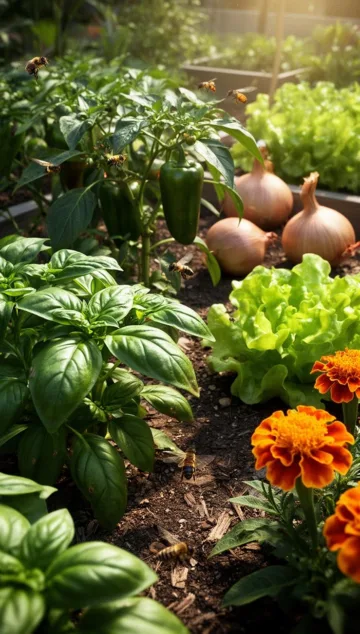
The Ultimate Guide to Boosting Your Harvest with the Best Pepper Garden Partners
Have you ever noticed how some plants seem to thrive when tucked next to a specific neighbor, while others wither away? In the world of horticulture, this isn’t just luck—it’s the science and art of pepper companion planting. Whether you are growing fiery habaneros or crunchy bell peppers, choosing the right companion plants peppers love can be the secret ingredient to a pest-free garden and a bounty of beautiful fruits. Think of your garden as a social community; when you pair plants that support one another, you spend less time weeding or spraying and more time harvesting.
Understanding the Magic of Companion Planting
Companion planting is an age-old practice based on the idea that certain plants can help each other grow better. This happens in several ways: some plants repel harmful insects, some attract beneficial pollinators, and others actually improve the flavor of their neighbors by altering the soil chemistry.
Natural Pest Control
One of the primary reasons gardeners use this method is to create a “living shield.” Instead of reaching for chemical pesticides, you can plant aromatic herbs or flowers that confuse pests or attract predatory insects like ladybugs and lacewings.
Maximizing Garden Space
For those with small backyard plots or raised beds, intercropping allows you to grow more in less space. By planting slow-growing peppers alongside fast-growing greens, you can harvest the greens before the peppers need the extra room.
The Best Friends for Your Pepper Plants
Peppers are generally friendly, but they have a few “best friends” that really help them shine. Here are the top performers for your garden.
Herbs That Help
Basil is perhaps the most famous partner for peppers. Many gardeners swear that planting basil nearby improves the flavor of the peppers. More importantly, basil’s strong scent helps repel thrips, aphids, and flies. Similarly, parsley can help by attracting hoverflies, which eat the aphids that often plague pepper leaves.
Flowers for Protection
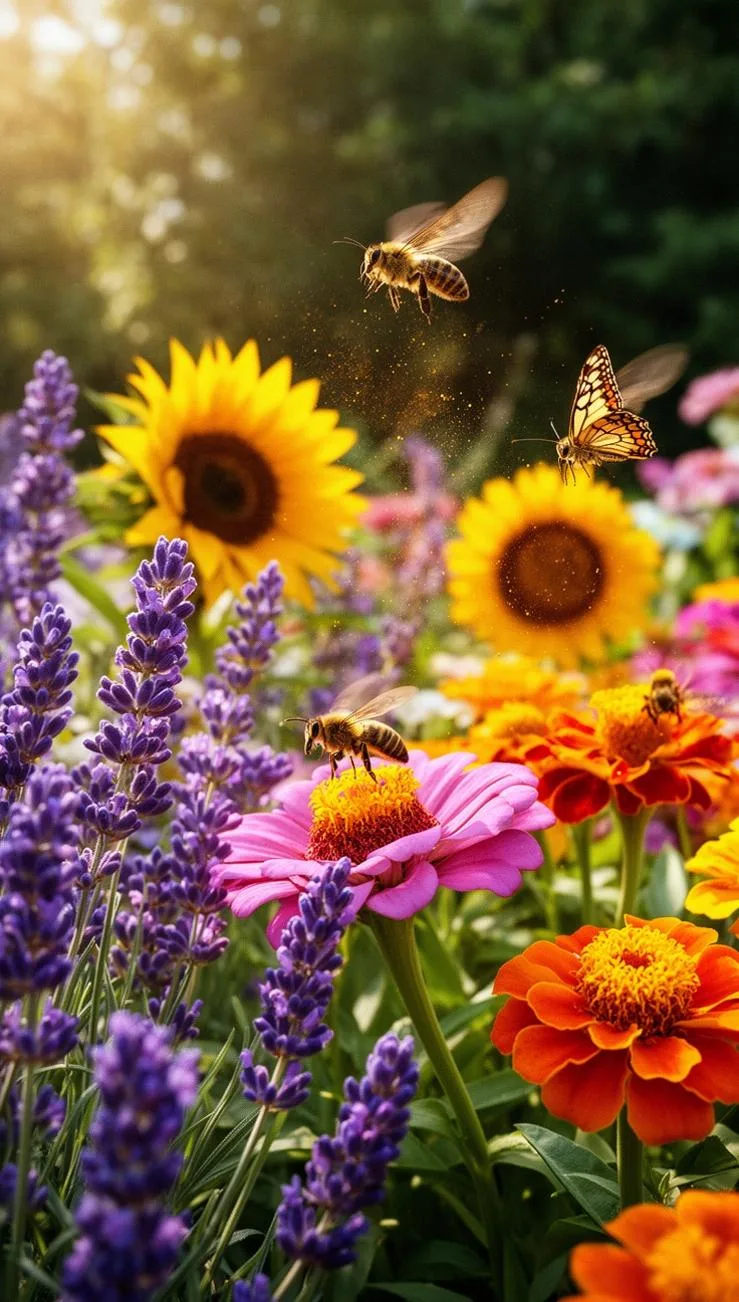
Marigolds are a gardener’s best friend. They produce a chemical from their roots that repels root-knot nematodes and their bright scent confuses many flying pests. Calendula is another great choice, acting as a “trap crop” for aphids.
Vegetable Neighbors
Onions, garlic, and leeks are fantastic because they take up very little space above ground but produce a pungent smell that deters many common garden pests. Carrots are also beneficial; as they grow, they help break up the soil, allowing pepper roots to expand more easily.
Step-by-Step Instructions for Your Pepper Patch
Setting up a companion-rich garden requires a bit of planning. Follow these steps to ensure your pepper companion planting project is a success.
Step 1: Map Your Sun and Soil
Peppers are sun-lovers. Ensure your site receives at least 6 to 8 hours of direct sunlight. Before planting, mix in some high-quality compost to provide a nutrient-rich base for your companion plants peppers and herbs.
Step 2: Start with the “Anchors”
Transplant your pepper seedlings first, spacing them about 18 to 24 inches apart. These are your “anchors.” Leave enough space between them to tuck in smaller companions later.
Step 3: Interplant the Protectors
Once your peppers are in, plant basil or marigolds in the gaps. If you are using carrots or onions, sow these seeds or sets in the rows between your pepper plants.
Step 4: Layer in Low-Growing Cover
Consider planting a low-growing crop like spinach or lettuce around the base of the peppers. These will act as a living mulch, keeping the soil cool and moist while the peppers grow tall.
Step 5: Water and Monitor
Water deeply at the base of the plants. Keep an eye on the interactions—if a companion is growing too fast and shading the pepper, give it a quick trim.
Tips from Experienced Gardeners
Seasoned green thumbs often have “secret” tricks that make a huge difference. Here are a few gems for your pepper garden:
- The Tall and the Short: Use tall plants like corn or sunflowers to provide a bit of afternoon shade if you live in an extremely hot climate. This prevents sunscald on the pepper fruits.
- Borage for Bees: If your pepper flowers are dropping without producing fruit, plant Borage nearby. It is a bee magnet and will ensure high pollination rates.
- Don’t Forget the Radishes: Radishes are the “canary in the coal mine.” They grow fast and will often show signs of pests first, giving you an early warning to take action.
Common Mistakes to Avoid
Even with the best intentions, things can go wrong. Avoid these common pitfalls:
Planting Close to “Foes”
Never plant peppers near fennel. Fennel is allelopathic, meaning it releases chemicals that can inhibit the growth of most other garden plants. Also, avoid planting peppers near members of the Brassica family (like cabbage or broccoli) as they have different soil pH preferences and can compete for nutrients.
Overcrowding
While we want to maximize space, air circulation is vital. If plants are too crowded, you invite fungal diseases like powdery mildew. Always ensure there is a “breeze” path through your garden.
Common Disease Sharing
Avoid planting peppers in the same spot where tomatoes, potatoes, or eggplants grew the previous year. These are all in the nightshade family and share many of the same diseases, which can linger in the soil.
Tools and Materials Needed
To get started, you don’t need much, but having the right tools makes the job easier:
- Quality Seedlings: Healthy pepper starts and companion seeds.
- Hand Trowel: For precise planting between peppers.
- Organic Compost: To feed the soil.
- Mulch (Straw or Wood Chips): To retain moisture if you aren’t using living mulch.
- Garden Stakes: Especially for heavy-fruiting varieties like bell peppers.
Seasonal and Climate Considerations
Peppers are tropical plants at heart. They love heat! If you live in a cooler climate, wait until the soil temperature reaches at least 65°F (18°C) before transplanting. In very hot climates (USDA Zones 9 and 10), your companions—like cilantro—might “bolt” or go to seed quickly in the summer heat. In these areas, plant your cooler-season companions in early spring and switch to heat-tolerant varieties like basil for the mid-summer stretch.
Benefits of This Gardening Method
Why bother with all this planning?
- Increased Yields: Better pollination and less stress mean more peppers on the vine.
- Improved Flavor: Many believe that herbs like basil and oregano enhance the essential oils in peppers.
- Soil Health: Biodiversity leads to a more robust soil microbiome, making your garden more resilient to drought and disease.
- Visual Beauty: A garden filled with a mix of flowers, herbs, and vegetables is far more beautiful than a monochrome row of single crops.
Alternative Methods: Container Gardening
If you don’t have a large garden plot, don’t worry! Companion planting works wonderfully in containers. You can plant one pepper in a large 5-gallon pot and surround it with two small basil plants and a marigold. This “mini-ecosystem” provides the same benefits as a large bed and is perfect for balconies or patios.
Conclusion
In summary, choosing the right neighbors for your garden is a game-changer for any grower. By strategically selecting companion plants peppers enjoy, such as basil, marigolds, and onions, you create a self-sustaining environment that naturally manages pests and boosts growth. Remember that pepper companion planting is all about observation and balance. Spend time in your garden, see how your plants interact, and don’t be afraid to experiment. With these tips and techniques, you are well on your way to the most productive and healthy pepper harvest you’ve ever had. Happy gardening!
Frequently Asked Questions
1. Can I plant tomatoes and peppers together?
Yes, they are in the same family and enjoy similar conditions. However, they can also share the same pests and diseases, so make sure to include plenty of flowers and herbs to break up the “monoculture” of nightshades.
2. Does basil really make peppers taste better?
While scientific data is mixed, many experienced gardeners report a noticeable improvement in flavor. At the very least, basil helps keep pests away, which reduces plant stress and allows the pepper to focus energy on fruit production.
3. What should I never plant next to peppers?
Avoid fennel, as it can stunt growth. You should also keep them away from beans if the beans are treated with high-nitrogen fertilizers, as too much nitrogen can lead to lots of leaves but very little fruit.
4. How many marigolds do I need?
You don’t need a whole field! Placing one marigold every 2 to 3 feet within your pepper row is usually sufficient to help deter pests.
5. Can I use flowers like lavender as companions?
While lavender is a great pollinator plant, it prefers much drier soil than peppers. It is better to plant lavender in a nearby pot or border rather than directly next to peppers that need consistent moisture.