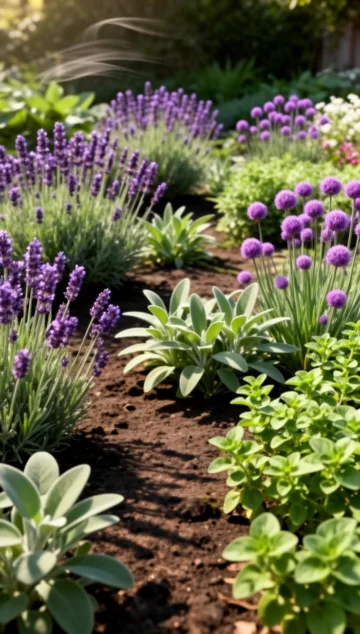
The Magic of May: Transform Your Garden with Lasting Color
The Joy of Spring Planting
There is a specific kind of magic that settles over the garden as the soil begins to warm and the threat of frost retreats. During this transition, choosing the right perennial flowers may be the single most important decision you make for the longevity and beauty of your landscape. Unlike annuals that flare up and fade away within a single season, perennials are the backbone of a high-performing garden, returning year after year with more vigor and beauty. If you are looking to refresh your borders or start a brand new flower bed, knowing which perennials to plant may mean the difference between a garden that struggles and one that thrives effortlessly through the heat of summer.
Why May is the Ultimate Perennial Month
May is often referred to as the “Goldilocks” month for gardening. The ground is moist from spring rains, the sun is becoming more consistent, and the air temperatures are generally mild enough to prevent transplant shock.
The Importance of Soil Temperature
While we often look at the air temperature, perennials care more about what is happening underground. By May, the soil has warmed sufficiently to encourage rapid root development. This allows plants to establish a strong “anchor” before the intense stress of the July and August sun arrives.
Synchronizing with Nature’s Cycles
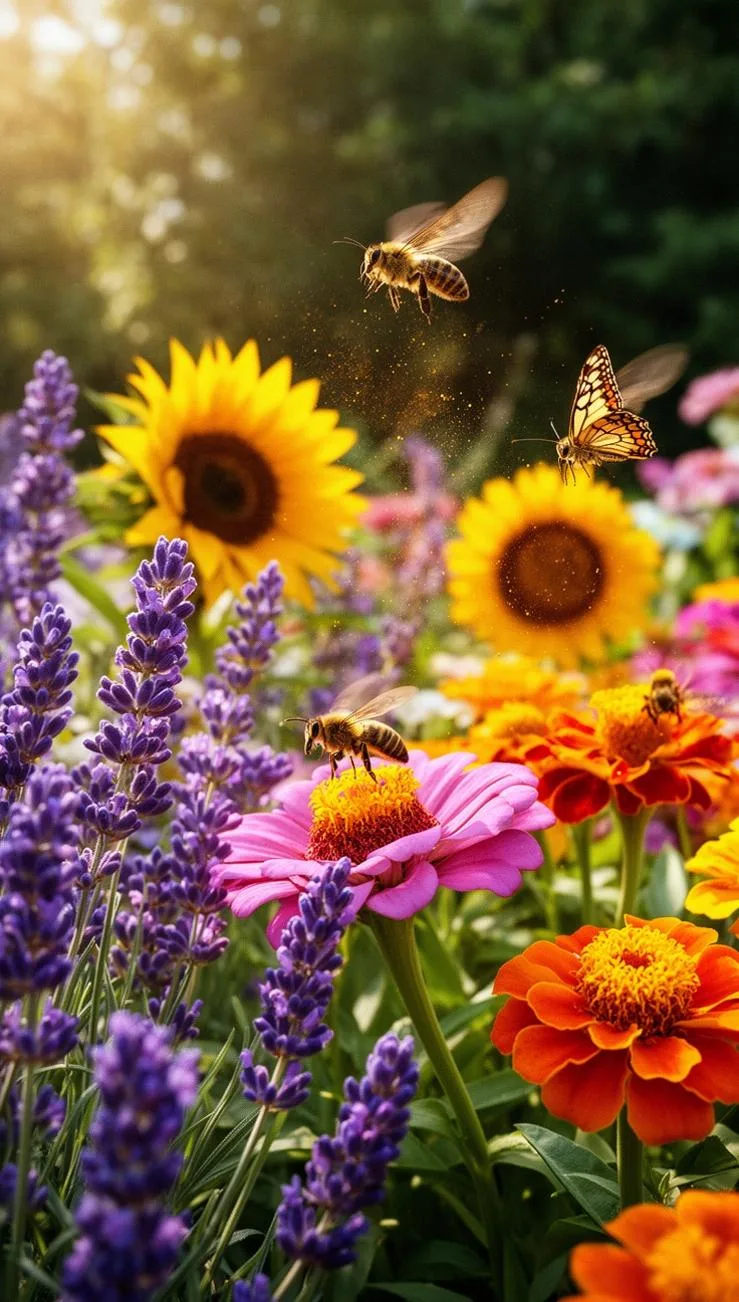
Planting in May aligns your garden with the natural growth cycles of pollinators. Bees and butterflies are emerging and actively searching for nectar. By getting your perennials into the ground now, you provide a vital food source exactly when these beneficial insects need it most.
Top Perennials to Consider This Month
Choosing the right varieties is key to a low-maintenance garden. Here are some reliable favorites that love being planted during the mid-late spring window.
Sun-Loving Stars
- Purple Coneflower (Echinacea): A hardy favorite that is drought-tolerant once established and draws in butterflies like a magnet.
- Salvia: Known for its spikes of deep purple or blue, Salvia provides a wonderful vertical element to your garden beds.
- Daylilies: These are nearly indestructible and come in a dazzling array of colors, from soft yellow to deep burgundy.
Shade-Friendly Favorites
- Hostas: While grown primarily for their lush foliage, hostas are the kings of the shade garden and come in various sizes and variegated patterns.
- Bleeding Hearts: These soft, romantic flowers thrive in the cooler, dappled light of early May.
- Coral Bells (Heuchera): These are prized for their colorful leaves, which can range from lime green to deep purple and silver.
Step-by-Step Instructions for May Planting
Follow this simple guide to ensure your new additions settle in perfectly. Remember that the way you handle perennial flowers may dictate how well they bloom in their second and third years.
Preparing the Bed
Clear the area of any lingering winter debris or weeds. Use a garden fork to loosen the soil to a depth of about 12 inches. This ensures that the roots don’t have to fight through compacted earth.
Amending the Soil
Add a two-inch layer of organic compost to the surface and work it in. Most perennials to plant may require well-draining soil rich in organic matter to reach their full potential.
The Planting Process
- Dig a hole twice as wide as the nursery pot and just as deep.
- Gently remove the plant from its container. If the roots are circling the bottom (root-bound), gently tease them outward.
- Place the plant in the hole, ensuring the crown (where the stems meet the roots) is level with the soil surface.
- Fill the hole back in with soil and firm it gently with your hands to remove air pockets.
- Water deeply immediately after planting.
Tips from Experienced Gardeners
Experience is the best teacher, but these “pro-tips” can give you a head start:
- The “Finger Test”: Don’t just water on a schedule. Stick your finger two inches into the soil; if it feels dry, it’s time to water.
- Mulching is Mandatory: Apply a layer of wood chips or straw around your plants. This keeps roots cool and helps retain moisture during those first few critical weeks.
- Pinch Back for Bushier Growth: For plants like Phlox or Autumn Joy Sedum, pinching off the top inch of growth in late May encourages the plant to branch out rather than getting “leggy.”
Common Mistakes to Avoid
Even seasoned gardeners can stumble. Avoid these three common pitfalls:
Planting Too Deeply
Burying the crown of a perennial can lead to rot and plant death. Always keep the base of the stems at the soil line.
Ignoring Predicted Frosts
While May is generally safe, “Late Spring Frosts” can happen. Always keep a few old blankets or frost cloths handy just in case a surprise cold snap is forecasted.
Overcrowding the Bed
It is tempting to pack plants together for an instant full look. However, perennials need airflow to prevent powdery mildew. Check the “Mature Spread” on the plant tag and give them space to grow.
Tools and Materials Needed
To get the job done right, keep these basics in your garden shed:
- Hand Trowel: For digging precise holes.
- Garden Fork: Essential for breaking up heavy clay soil.
- Quality Compost: To feed the soil microbes.
- Watering Can or Soaker Hose: For gentle, deep hydration.
- Garden Gloves: To protect your hands from thorns and soil bacteria.
Seasonal and Climate Considerations
Depending on your Hardiness Zone, May can feel very different.
Northern Climates (Zones 3-5)
For those in the north, May is the very beginning of the season. Focus on cool-season perennials first, and wait until the very end of the month for heat-lovers.
Southern Climates (Zones 8-10)
In the south, May can already be quite hot. Planting early in the morning and providing temporary shade for new transplants can prevent them from wilting in the afternoon sun.
Benefits of Perennial Gardening
Why choose perennials over other options?
- Cost-Effectiveness: You pay for the plant once, and it rewards you for years.
- Erosion Control: Deep perennial root systems help hold the soil in place better than annuals.
- Increasing Beauty: Most perennials follow the “Leap, Creep, Sleep” rule—they get significantly more impressive by their third year.
Alternative Methods: Division and Sowing
If you aren’t buying nursery starts, you can still expand your garden in May.
Dividing Existing Colonies
If you have older perennials like Hostas or Daylilies that have become too large, May is an excellent time to dig them up, slice the root ball in half, and replant the sections.
Direct Sowing Seeds
Some perennials, like Lupines or Shasta Daisies, can be sown directly into the garden soil in May. Keep the seedbed consistently moist until germination occurs.
Conclusion
Embracing the rhythm of the seasons makes gardening a deeply rewarding hobby rather than a chore. Planning your garden around perennial flowers may seem like a small task now, but the dividends it pays in color, texture, and wildlife activity are immense. By taking the time to prepare your soil and selecting the best perennials to plant may result in a lush, vibrant sanctuary that greets you every spring with minimal effort. Happy planting!
Frequently Asked Questions
1. Can I plant perennials if it’s still raining a lot?
Yes, but avoid working the soil if it is soaking wet or “mucky,” as this can destroy the soil structure. If the soil crumbles in your hand, it is safe to plant.
2. How often should I water my new perennials in May?
Generally, new plants need deep watering 2-3 times a week. However, if your region is experiencing a particularly hot May, you may need to check them daily.
3. Do I need to fertilize my plants immediately?
If you have added good quality compost to the planting hole, you usually don’t need additional fertilizer right away. Let the plant establish its roots first before hitting it with heavy nitrogen.
4. What should I do if a frost is predicted after I’ve planted?
Don’t panic! Cover your new plants with an inverted bucket, a cardboard box, or a frost blanket overnight. Remove the cover as soon as the sun comes up the next morning.
5. Why are my new plants wilting even though the soil is wet?
This is often transplant shock. The roots haven’t yet locked into the surrounding soil. Provide some temporary shade during the hottest part of the day, and they should perk up within a week.