The Ultimate May Planting Guide: Transforming Your Garden for Summer
May is often considered the “Golden Month” for gardeners. The soil has finally shaken off the winter chill, the days are stretching longer, and the threat of late-season frost is finally fading into memory. If you have been itching to get your hands dirty, now is the perfect moment to discover the best flowers to plant in may. This is the transitional bridge between spring’s awakening and the full-throttle growth of the warmer months. By focusing your energy on summer flower planting right now, you are essentially setting the stage for a backyard paradise that will bloom well into September.
Top Annuals for Instant Color
Zinnias: The Beginner’s Best Friend
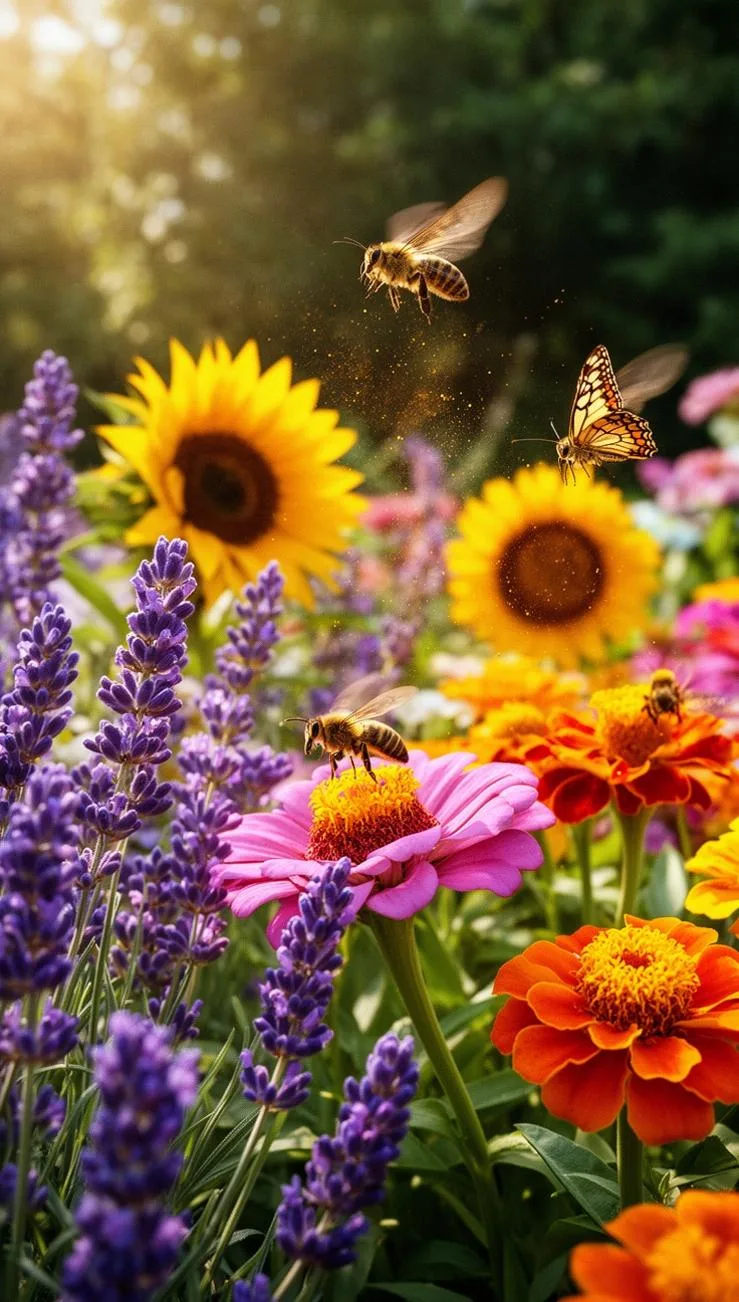
Zinnias are arguably the easiest flowers to grow from seed. They love the heat and come in almost every color imaginable. Because they grow quickly, planting them in May ensures a riot of color by early July. They are also “cut and come again” flowers, meaning the more you harvest for indoor bouquets, the more the plant produces.
Marigolds: The Garden Guard
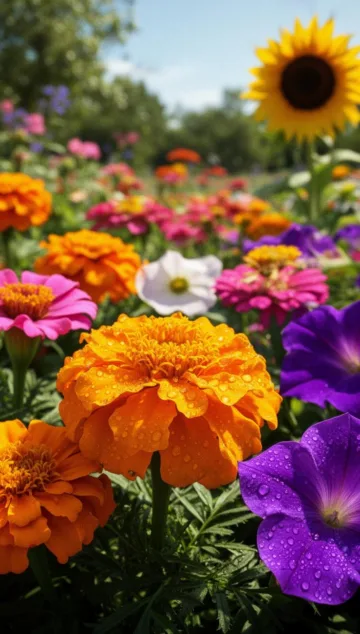
Known for their hardy nature and pest-repellent qualities, marigolds are a May staple. Their fiery oranges and yellows add a grounded warmth to flower beds. They are particularly useful when planted near vegetables to deter harmful nematodes and aphids.
Petunias and Calibrachoa
For those focusing on containers or hanging baskets, these trailing beauties are essential. They thrive in the increasing sunlight of late spring and provide a cascading waterfall of color. Ensure they have well-draining soil, as they dislike “wet feet.”
Reliable Perennials to Build your Foundation
Coneflowers (Echinacea)
If you want a garden that supports local wildlife, coneflowers are a must. These perennials are incredibly resilient and drought-tolerant once established. Planting them in May allows their root systems to settle before the intense heat of July arrives.
Black-Eyed Susans (Rudbeckia)
These cheery, daisy-like flowers are the hallmark of a summer landscape. They are vigorous growers and will often spread naturally, filling in gaps in your garden borders with very little effort on your part.
Daylilies
Daylilies are often called “the perfect perennial” because they are nearly impossible to kill. They tolerate a wide range of soil conditions and provide architecturally interesting foliage even when they aren’t in peak bloom.
Essential Step-by-Step Instructions for May Success
Getting your plants in the ground correctly is just as important as choosing the right species. Follow these steps to ensure your flowers to plant in may get the best possible start. Proper technique during your summer flower planting session will save you hours of maintenance later in the season.
Step 1: Soil Preparation
Before any plant touches the ground, test your soil. If it is compacted, use a garden fork to loosen it to a depth of about 12 inches. Mix in two to three inches of high-quality organic compost or aged manure. This improves drainage in clay soils and water retention in sandy soils.
Step 2: Hardening Off
If you have started seeds indoors or bought lush plants from a greenhouse, do not put them directly into full sun. Place them outside in a sheltered, shady spot for a few hours a day, gradually increasing their exposure to sun and wind over the course of a week.
Step 3: Digging the Hole
Dig a hole that is twice as wide as the plant’s current pot but no deeper. Planting too deep can lead to stem rot, while planting too shallow can cause the roots to dry out. Gently tease the roots if they are circling the root ball.
Step 4: Watering and Mulching
Water the plants immediately after putting them in the ground to settle the soil around the roots. Apply a two-inch layer of wood chips or straw mulch around the base of the plants, keeping the mulch away from the actual stems to prevent moisture buildup against the bark.
Tips from Experienced Gardeners
Succession Planting
Don’t plant everything on May 1st. By staggering your planting every two weeks throughout the month, you ensure that as one group of flowers begins to fade, another is just reaching its peak. This extends your bloom window significantly.
Deadheading for Density
Experienced gardeners know that “pinching back” certain plants like petunias or zinnias in late May encourages branching. More branches mean more flower buds, leading to a bushier, more impressive plant.
Morning Watering
Always try to water your garden in the early morning. This allows the foliage to dry before evening, which is the best way to prevent fungal diseases like powdery mildew.
Common Mistakes to Avoid
Planting Too Early
The most common error is rushing the season. Even if the air feels warm, the soil temperature dictates plant health. If the ground is still cold and soggy, seeds may rot before they germinate. Wait until the soil is consistently above 60°F (15°C).
Ignoring Sunlight Requirements
A “full sun” label means at least six to eight hours of direct sunlight. Putting a sun-loving Marigold in a shady corner will result in “leggy” growth and very few flowers.
Over-Fertilizing
It is tempting to dump fertilizer on new plants to make them grow faster. However, too much nitrogen can lead to massive green leaves but zero flowers. Stick to a balanced, slow-release fertilizer or simply rely on good compost.
Tools and Materials Needed
- Hand Trowel: For digging small holes and transplanting annuals.
- Garden Fork: Essential for turning over soil and mixing in compost.
- Watering Can or Soaker Hose: A soaker hose is ideal as it delivers water directly to the roots.
- Organic Compost: The “black gold” of gardening that feeds your plants naturally.
- Pruning Shears: To trim back any dead growth or to harvest your blooms.
- Garden Gloves: To protect your hands from thorns, insects, and soil-borne bacteria.
Seasonal and Climate Considerations
Hardiness Zones
Always check your USDA Hardiness Zone. While May is safe for most, gardeners in northern regions (Zones 3-4) might still face a surprise frost in mid-May. Keep frost blankets or old bedsheets handy just in case.
Microclimates
Be aware of the microclimates in your own yard. A south-facing wall will be significantly warmer than a low-lying spot in the middle of the lawn where cold air settles. Use these warm spots for heat-loving tropicals like Hibiscus or Canna Lilies.
Benefits of May Gardening
Planting in May offers a psychological boost as much as a visual one. The act of “grounding”—physically touching the earth—has been shown to reduce cortisol levels and improve mood. Furthermore, by planting a diverse range of flowers now, you provide a critical food source for pollinators like bees, butterflies, and hummingbirds during their most active season.
Alternative Methods: Container and Vertical Gardening
The “Thriller, Filler, Spiller” Method
If you don’t have a large yard, container gardening is a fantastic alternative. Use a tall “thriller” (like Sedge or a Canna Lily) in the center, “fillers” (like Geraniums) around it, and “spillers” (like Sweet Potato Vine) to hang over the edges.
Vertical Trellising
For small patios, think upward. May is the perfect time to plant climbing flowers like Morning Glories or Clematis. These plants take up very little ground space but provide a massive vertical wall of green and color.
Conclusion
May is the month of transformation, shifting the garden from a quiet landscape into a vibrant sanctuary. By selecting the right flowers to plant in may, you are investing in a season full of fragrance and color. Whether you are a beginner starting with a few pots of zinnias or an intermediate gardener expanding your perennial borders, the effort you put into summer flower planting today will pay dividends all the way through the autumn. Remember to check your soil, water deeply, and most importantly, take the time to sit back and enjoy the beauty you have created.
Frequently Asked Questions
1. Can I plant bulbs in May?
While spring bulbs like tulips are planted in the fall, May is the perfect time to plant summer-blooming bulbs like Gladiolus, Dahlias, and Canna Lilies.
2. How often should I water new plants in May?
New transplants usually need watering every day or every other day for the first two weeks, depending on the rainfall and temperature, until their roots are established.
3. Is it too late to start seeds in May?
Not at all! Many fast-growing annuals like Sunflowers and Cosmos can be direct-sown into the garden soil throughout May and will bloom beautifully by mid-summer.
4. What flowers should I plant for shade in May?
Impatiens, Begonias, and Fuchsias are excellent choices for shady spots. They provide bright colors where many other plants struggle to thrive.
5. How do I protect my May plantings from slugs?
Use crushed eggshells or copper tape around the base of vulnerable plants. You can also use beer traps, as slugs are attracted to the yeast and will fall in.