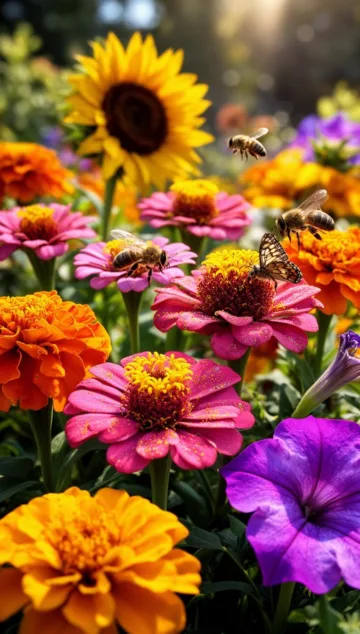
The Ultimate Guide to a Vibrant Backyard Bloom: Planning Your Brightest Season Ever
There is something truly magical about stepping out onto your patio and being greeted by a sea of blossoms that thrive in the heat. Creating a successful summer flowers garden is more than just a hobby; it is a way to bring energy, wildlife, and fragrance into your daily life. Whether you have a sprawling backyard or a few modest containers, the addition of colorful summer flowers transforms your outdoor space into a sanctuary. In this guide, we will explore how to select the right varieties, prep your soil, and maintain your plants so they look spectacular from June through September.
Understanding the Magic of Summer Blooms
Summer is the peak season for growth, but it also presents unique challenges like high temperatures and occasional dry spells. To make your garden thrive, you need to understand the difference between heat-loving plants and those that merely tolerate the sun.
Annuals vs. Perennials
Annuals, such as Petunias and Marigolds, complete their life cycle in one season. They are the “workhorses” of the garden, providing non-stop color. Perennials, like Coneflowers and Daylilies, return year after year, forming the reliable backbone of your landscape.
Sun-Loving vs. Shade-Seeking Varieties
Most summer bloomers crave at least six hours of direct sunlight. However, if your yard is partially shaded, you can still find success with plants like Begonias or Fuchsias, which offer brilliant hues without needing the blistering midday sun.
Choosing Your Color Palette
The visual impact of your garden depends heavily on your color choices. A well-planned garden feels intentional and harmonious.
Warm Tones for High Energy
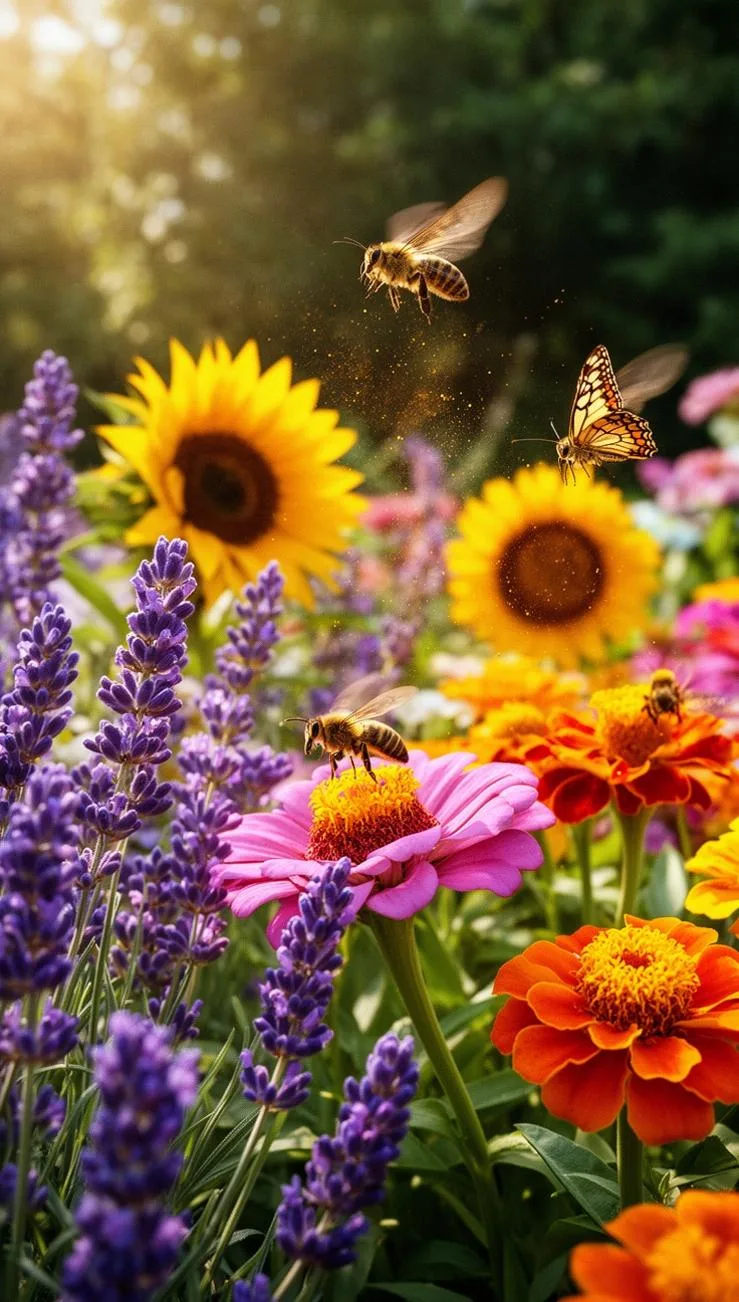
Reds, oranges, and yellows (like Zinnias and Celosia) create a sense of excitement and warmth. These colors appear to “advance” toward the eye, making a large garden feel more intimate.
Cool Tones for a Relaxing Retreat
Blues, purples, and whites (like Salvia and Lavender) provide a calming effect. These colors are perfect for “meditation corners” and help make small spaces feel more expansive and airy.
Step-by-Step Instructions for a Thriving Display
Follow these steps to ensure your plants get the best start and continue to flourish throughout the warmest months.
Step 1: Test and Prep Your Soil
Before planting your summer flowers garden, check your soil quality. Most flowering plants prefer well-draining soil rich in organic matter. Mix in a healthy dose of compost to provide the nutrients your colorful summer flowers need to produce large, healthy buds.
Step 2: Selecting and Hardening Off
If you are buying starts from a nursery, ensure they are “hardened off” by gradually exposing them to outdoor conditions for a few days before putting them in the ground. This prevents transplant shock.
Step 3: Proper Planting Depth
Dig a hole twice as wide as the plant’s root ball but no deeper. Placing a plant too deep can lead to stem rot, while planting too shallow can cause the roots to dry out too quickly in the summer heat.
Step 4: Watering and Mulching
Water your plants immediately after planting. Apply a two-inch layer of wood chips or straw mulch around the base to retain moisture and keep the roots cool.
Tips from Experienced Gardeners
Seasoned professionals know that a little bit of maintenance goes a long way.
- Deadheading is Essential: “Deadheading” is the process of pinching off faded blooms. This prevents the plant from putting energy into seed production and encourages it to grow more flowers instead.
- Water Early in the Day: Always water in the morning. This allows the foliage to dry before nightfall, which prevents fungal diseases like powdery mildew.
- Feed Your Flowers: Summer bloomers are hungry. Use a water-soluble, high-phosphorus fertilizer every two to three weeks to keep the colors vibrant.
Common Mistakes to Avoid
Even intermediate gardeners can fall into these common traps.
- Overcrowding: It is tempting to plant everything close together for instant impact. However, poor airflow leads to pests and disease. Follow the spacing instructions on the plant tag.
- Neglecting the Soil: Adding plants to compacted, clay-heavy soil without amendments is a recipe for failure. Roots need oxygen just as much as they need water.
- Inconsistent Watering: Plants hate the “bloom and bust” cycle of being bone-dry and then drowned. Aim for consistent moisture.
Tools and Materials Needed
Having the right gear makes the job easier and more enjoyable.
- Hand Trowel: For precise digging and transplanting.
- Pruning Shears: Essential for deadheading and removing diseased stems.
- Soaker Hoses: These deliver water directly to the roots, reducing waste and keeping leaves dry.
- Garden Kneeler: To protect your joints during long planting sessions.
- Organic Compost: The best “multivitamin” for your garden.
Seasonal and Climate Considerations
Your geographical location dictates your gardening schedule.
Dealing with Extreme Heat
In regions with triple-digit temperatures, consider using “shade cloth” during the hottest part of the afternoon to protect delicate petals from scorching.
Managing Humidity
In humid climates, air circulation is your best friend. Space plants slightly further apart than recommended to ensure wind can move through the foliage, drying out excess moisture.
Benefits of Growing Summer Flowers
Beyond the obvious beauty, gardening offers several tangible rewards.
- Pollinator Support: Bees, butterflies, and hummingbirds rely on summer blooms for food. Planting a variety of shapes and sizes helps support a healthy ecosystem.
- Stress Reduction: Studies show that spending time in a garden lowers cortisol levels and improves overall mental well-being.
- Cut Flowers for the Home: Many summer varieties, like Dahlias and Sunflowers, make excellent indoor arrangements, bringing the beauty of your hard work inside.
Alternative Methods: Beyond the Traditional Bed
If you don’t have space for a traditional in-ground plot, try these alternatives.
- Container Gardening: Use high-quality potting mix in large pots. Containers dry out faster, so you may need to water them twice a day during heatwaves.
- Raised Beds: These offer perfect drainage and allow you to control the soil quality completely. They are also easier on your back since there is less bending required.
- Vertical Gardening: Use trellises or wall-mounted planters for climbing flowers like Mandevilla or Black-eyed Susan vines.
Conclusion
Creating a stunning landscape is a journey of patience and creativity. By selecting the right varieties and staying on top of watering and deadheading, you can maintain a summer flowers garden that is the envy of the neighborhood. Focus on building healthy soil and providing consistent care, and you will be rewarded with a spectacular array of colorful summer flowers that celebrate the best of the season. Happy gardening!
—
Frequently Asked Questions
1. How often should I water my summer flowers?
Generally, most gardens need about an inch of water per week. In extreme heat, you may need to water daily, especially for plants in containers or hanging baskets.
2. Why are my flower leaves turning yellow?
Yellow leaves can be a sign of overwatering (root rot) or a nitrogen deficiency. Check the soil moisture levels first; if the soil is dry, the plant may just be stressed by the heat.
3. What are the best flowers for beginners?
Zinnias, Marigolds, and Sunflowers are incredibly hardy and easy to grow from seed. They are forgiving of minor mistakes and provide huge visual rewards.
4. Do I need to fertilize every week?
No, every two to three weeks is usually sufficient for most annuals. Perennials generally need less frequent feeding—once in the spring and once in mid-summer is often enough.
5. How can I keep pests away without harsh chemicals?
Encourage “good bugs” like ladybugs and lacewings. You can also use neem oil or a simple solution of water and mild dish soap to treat common issues like aphids and spider mites.