Thriving Through the Heat: A Beginner’s Guide to Water-Wise Gardening
Embracing the Beauty of a Water-Wise Landscape
As the climate shifts and summers become increasingly unpredictable, many gardeners are facing a frustrating reality: parched soil, wilting leaves, and high water bills. But what if your garden didn’t just survive the heat, but actually thrived in it? Transitioning your landscape to include more drought tolerant plants is the smartest way to ensure a lush, vibrant outdoor space even during the hottest months. By choosing species that have evolved to store water efficiently, you can reduce your workload while creating a sanctuary for local pollinators. Integrating specific summer drought plants into your flower beds and borders allows you to stop worrying about the hose and start enjoying the view. Whether you are a beginner looking to save time or an intermediate gardener aiming for a more sustainable ecosystem, this guide will show you exactly how to master the art of low-water landscaping.
The Best Low-Water Plants for Every Garden
Stunning Succulents and Cacti
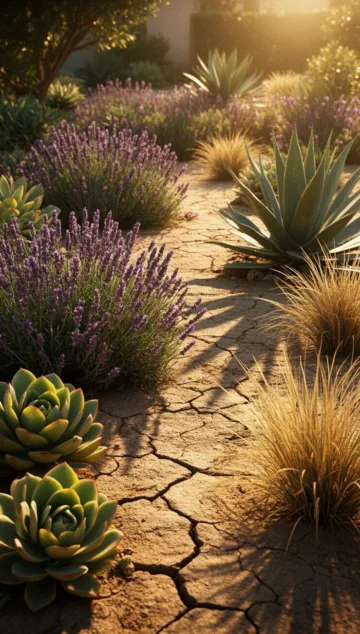
Succulents are the kings of water conservation. These plants, such as Sedum (Stonecrop) and Sempervivum (Hens and Chicks), store moisture in their fleshy leaves. They are perfect for rock gardens, containers, or the front of a sunny border. For those in warmer climates, Prickly Pear cacti offer striking architectural shapes and vibrant flowers with almost zero water requirements once established.
Perennial Powerhouses
Many traditional garden favorites are surprisingly resilient. Lavender is a top choice, offering silver-toned foliage and fragrant purple spikes that love sandy soil and intense sun. Russian Sage is another excellent option, providing a cloud-like texture of lavender-blue flowers that stand tall even when the mercury rises. Coneflowers (Echinacea) and Black-eyed Susans (Rudbeckia) are also incredibly hardy, bringing a bright, prairie-style aesthetic to your yard.
Ornamental Grasses
Grasses add movement and sound to the garden. Varieties like Blue Fescue, Little Bluestem, and Fountain Grass are naturally adapted to dry conditions. Their deep root systems allow them to tap into moisture deep underground, making them essential components of any water-wise design.
Designing Your Drought-Resistant Paradise
Grouping Plants by Water Needs (Hydrozoning)
A common mistake is mixing thirsty plants with dry-loving ones. To make your garden efficient, group plants with similar moisture requirements together. This practice, known as hydrozoning, ensures you aren’t overwatering your succulents just to keep your hydrangeas happy.
Focusing on Soil Health
While these plants handle dry air well, they often require excellent drainage. Many hardy varieties will suffer from root rot if they sit in heavy, wet clay during the winter. Incorporating organic matter like compost or adding grit to your soil can improve structure and drainage significantly.
How to Successfully Plant and Establish Low-Water Species
Getting your garden started requires a bit of strategy to ensure long-term success. Even the most resilient species need a little help when they first go into the ground. Follow these steps to ensure your drought tolerant plants get off to the best start possible:
- Preparation: Clear the area of weeds that might compete for moisture. Dig a hole twice as wide as the root ball but no deeper.
- Planting: Place the plant in the hole, ensuring the crown (where the stems meet the roots) is level with or slightly above the soil surface to prevent rot.
- Backfilling: Fill the hole with native soil mixed with a small amount of compost. Avoid heavy fertilizers, as high nitrogen can cause rapid, weak growth that wilts easily.
- Initial Watering: Water deeply immediately after planting. Even summer drought plants need consistent moisture for the first few weeks to help their roots settle into the surrounding soil.
- Mulching: Apply a 2-3 inch layer of wood chips, gravel, or straw around the base of the plant, keeping the mulch a few inches away from the stems. This keeps the roots cool and prevents evaporation.
Tips from Experienced Gardeners
Water Deeply, but Infrequently
Instead of giving your plants a light sprinkle every day, give them a deep soak once a week. This encourages the roots to grow deeper into the earth where the soil stays moist longer, rather than staying near the surface where they are vulnerable to heat.
The “Silver Leaf” Rule
A great tip for identifying hardy plants at the nursery is to look for silver or fuzzy foliage. The silver color reflects sunlight, and the tiny hairs trap moisture near the leaf surface. Plants like Lamb’s Ear, Dusty Miller, and Lavender are perfect examples of this natural adaptation.
Common Mistakes to Avoid
Underwatering New Plants
Just because a plant is labeled “dry-loving” doesn’t mean it can handle a desert environment the day you buy it from the nursery. It takes about one full growing season for a plant to establish the root system necessary to be truly self-sufficient.
Over-Mulching with the Wrong Material
Avoid using fine, dyed mulches that can mat down and prevent water from reaching the soil. Instead, use coarse materials or even pea gravel for Mediterranean-style plants that prefer a “lean” and dry environment.
Tools and Materials Needed
- Hand Trowel: For precise planting.
- Soaker Hose or Drip Irrigation: To deliver water directly to the roots without wasting it through evaporation or runoff.
- Garden Fork: To aerate the soil and break up compaction.
- Organic Compost: To improve soil texture.
- Coarse Mulch: Wood chips or gravel to retain moisture.
Seasonal and Climate Considerations
The Importance of Autumn Planting
In many regions, fall is actually the best time to plant. The cooler air reduces stress on the foliage, while the soil remains warm enough for roots to grow until the first hard frost. This gives the plant a “head start” before the following summer’s heat arrives.
Winter Wetness
Be aware that many dry-climate plants are more likely to die from “wet feet” in the winter than from heat in the summer. Ensure your planting beds are slightly mounded or elevated if you live in an area with rainy winters.
Benefits of This Gardening Method
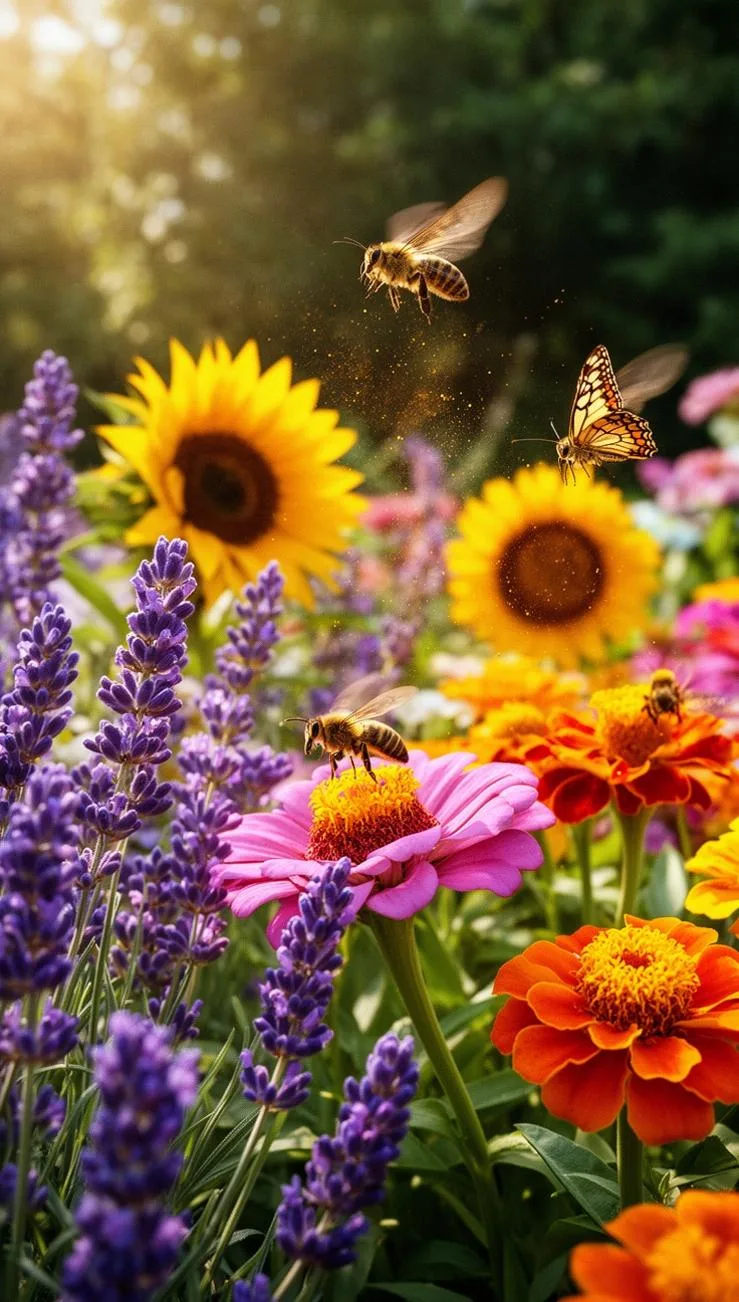
Beyond the obvious savings on your water bill, this style of gardening is incredibly low-maintenance. Once established, these plants require significantly less pruning, deadheading, and fertilizing than high-maintenance tropicals or annuals. Furthermore, these landscapes are often more hospitable to native wildlife. Many water-wise perennials are rich in nectar, providing a vital food source for bees, butterflies, and hummingbirds during the peak of summer when other flowers might be flagging.
Alternative Methods: Xeriscaping and Rock Gardening
Xeriscaping
Xeriscaping is a professional landscaping philosophy centered around water conservation. It involves removing thirsty lawns and replacing them with permeable pathways, decorative stone, and hardy vegetation. It is an “all-in” approach for those in arid climates.
Container Gardening
If you have heavy clay soil that is difficult to work with, consider a “potager” or container garden. Using large terracotta or unglazed clay pots allows you to control the drainage perfectly, making it much easier to grow sensitive succulents and Mediterranean herbs.
Conclusion
Creating a beautiful, resilient landscape doesn’t mean you have to settle for a yard full of gravel and bare earth. By selecting the right drought tolerant plants, you can create a lush, multi-textured environment that stands up to the elements. Remember that the key to success lies in the preparation—choosing the right location, improving drainage, and giving your summer drought plants the time they need to establish their roots. As you move toward a more sustainable gardening practice, you’ll find that you spend less time dragging hoses and more time enjoying the vibrant colors and buzzing life of your water-wise sanctuary. Gardening should be a joy, not a chore, and choosing the right plants is the first step toward a stress-free outdoor experience.
Frequently Asked Questions
1. Do these plants ever need watering?
Yes, especially during their first year. Even the hardiest plants need regular watering until their roots are deep enough to find moisture on their own. During extreme, prolonged heatwaves, even established plants may benefit from an occasional deep soak.
2. Can I grow these plants in shade?
Most water-wise plants prefer full sun (at least 6 hours a day). However, there are some options for dry shade, such as Heuchera (Coral Bells), Barrenwort (Epimedium), and certain varieties of Hellebores.
3. Do I need to fertilize my dry-climate garden?
Generally, no. Many of these species actually prefer “poor” soil. Over-fertilizing can lead to lanky, weak growth that makes the plant more susceptible to pests and heat stress. A thin layer of compost once a year is usually more than enough.
4. Is “drought-tolerant” the same as “drought-resistant”?
They are very similar, but “resistant” usually implies a higher level of survival capability without any supplemental water at all, whereas “tolerant” means the plant can withstand dry periods but might still need help during a severe drought.
5. Why are my succulents turning yellow?
This is usually a sign of overwatering. If the soil stays wet for too long, the roots cannot breathe, leading to rot. Ensure your pots have drainage holes and your soil contains plenty of sand or perlite.