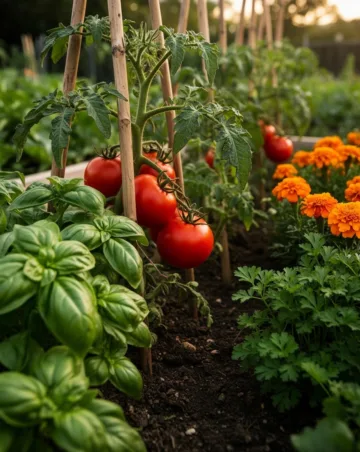
Perfect Partners: The Ultimate Guide to Growing Your Best Tomatoes Ever
Every gardener dreams of a harvest filled with heavy, vibrant, and flavor-packed tomatoes. However, achieving that “blue ribbon” garden often requires more than just water and sunlight. It requires understanding the secret relationships happening beneath the soil and among the leaves. Choosing the right companion plants tomatoes love can mean the difference between a struggling vine and a prolific harvest. By utilizing the principles of tomato companion planting, you can naturally repel pests, improve soil health, and even enhance the flavor of your fruit without resorting to harsh chemicals.
The Science Behind Plant Friendships
Natural Pest Control
One of the primary reasons gardeners group specific plants together is to create a defensive perimeter. Certain plants emit strong scents that mask the smell of tomato foliage, confusing pests like aphids, tomato hornworms, and whiteflies. For example, marigolds are world-famous for their ability to deter root-knot nematodes and beetles through their pungent roots and blooms.
Nutrient Sharing and Soil Structure
Different plants have different root depths and nutritional needs. When you mix deep-rooted plants with shallow-rooted ones, they aren’t competing for the same “shelf” of nutrients in the soil. Furthermore, some companions, like legumes, actually fix nitrogen into the soil, acting as a natural fertilizer for the nitrogen-hungry tomato plant.
Beneficial Insects and Pollen
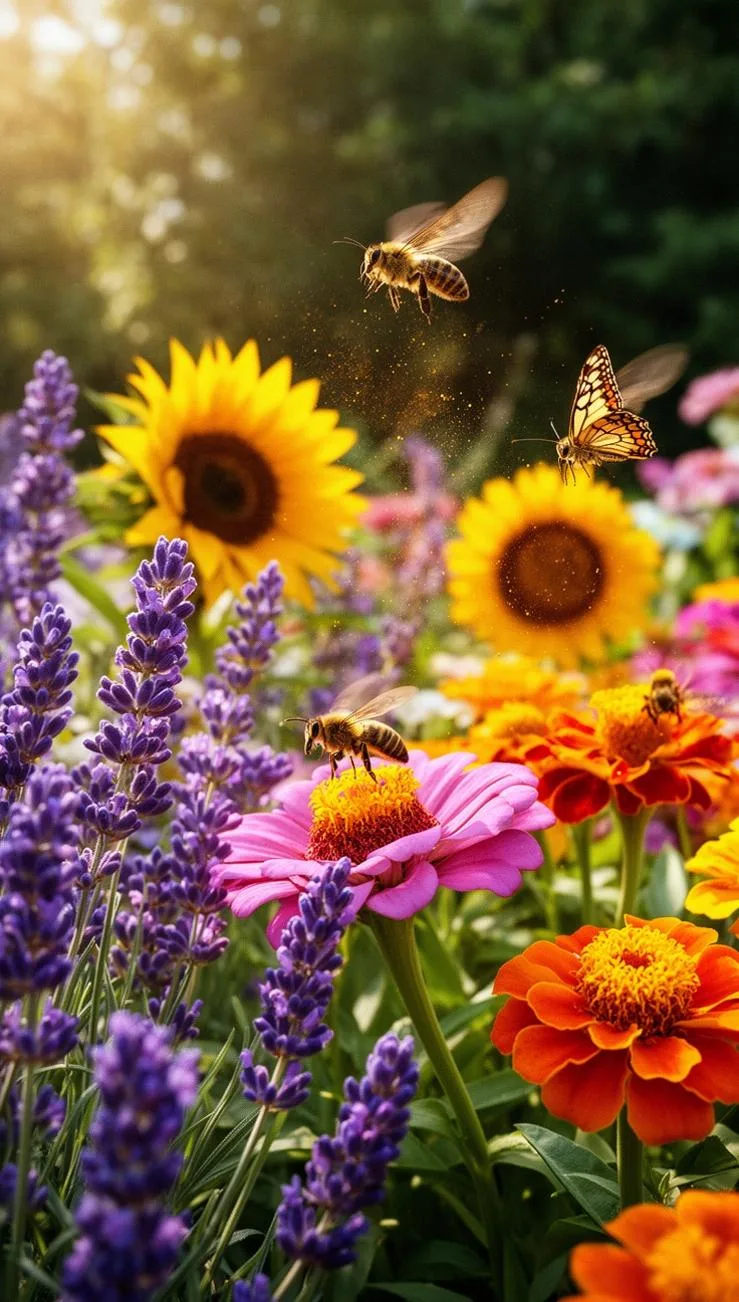
To get fruit, you need pollination. By planting flowers that bloom at the same time as your vegetables, you attract bees, hoverflies, and predatory wasps. These “good bugs” not only help with pollination but also act as a biological security team, eating the smaller pests that try to make a home on your vines.
Top Companion Plants for Your Tomato Garden
The Aromatic Power of Herbs
- Basil: This is the classic pairing. Not only do they taste great together on a plate, but basil is thought to improve the flavor of tomatoes while repelling flies and mosquitoes.
- Parsley: This herb provides a low-growing ground cover that keeps the soil moist and attracts hoverflies, which eat aphids.
- Borage: Known as the “bee bread,” borage attracts pollinators like no other and is said to deter the dreaded tomato hornworm.
Vibrant and Protective Flowers
- Marigolds: These are the workhorses of the garden. Their scent confuses pests, and their roots release a chemical that kills harmful nematodes in the soil.
- Nasturtiums: These act as a “trap crop.” Aphids love nasturtiums even more than tomatoes, so they will flock to the flowers and leave your tomatoes alone.
- Calendula: Also known as pot marigold, this flower attracts ladybugs, which are the natural enemy of the aphid.
Vegetable Buddies
- Garlic and Onions: The strong sulfurous smell of the Allium family is a major deterrent for red spider mites and aphids.
- Carrots: Carrots and tomatoes are great roommates. Tomatoes provide shade for the delicate carrot tops, while carrots help aerate the soil around the tomato roots.
- Lettuce and Spinach: These leafy greens can grow in the shade provided by tall tomato cages, making excellent use of garden space.
Plants to Keep Away from Tomatoes
The Competitive Walnut Tree
Black walnut trees produce a chemical called juglone. Tomatoes are highly sensitive to this toxin, which can cause them to wilt and die if planted anywhere near the tree’s root zone.
The Brassica Family
Cabbage, broccoli, cauliflower, and kale are generally not recommended as companions. They are heavy feeders that compete for the same nutrients, and they can sometimes stunt the growth of tomato plants.
Fennel and Corn
Fennel is known to produce secretions from its roots that inhibit the growth of many other plants, including tomatoes. Corn, on the other hand, attracts the corn earworm, which is the exact same pest as the tomato fruitworm.
Step-by-Step Instructions for Your Companion Garden
Ready to get your hands dirty? Follow these steps to set up your ecosystem:
Step 1: Map Your Sun and Soil
Ensure your garden bed receives at least 6–8 hours of direct sunlight. Tomatoes are sun-lovers, and their companions will need to thrive in similar conditions. Test your soil to ensure it is rich in organic matter.
Step 2: Choose Your Variety Clusters
Select which companion plants tomatoes will benefit from most based on your local pests. If you struggle with aphids, prioritize nasturtiums and marigolds. If you want better flavor, focus on basil and borage.
Step 3: Space Your Main Plants First
Plant your tomato starts about 24 to 36 inches apart. This ensures they have plenty of airflow. Remember, tomato companion planting works best when there is enough room for air to circulate, preventing fungal diseases.
Step 4: Interplant the Companions
Tuck your herbs and flowers in the spaces between the tomato plants. Place basil and marigolds within 12 inches of the tomato stems. Plant carrots or lettuce on the north side of the tomatoes so they can benefit from the afternoon shade.
Step 5: Mulch and Water
Apply a layer of organic mulch like straw or shredded leaves. This protects the roots of all your diverse plants and keeps the moisture levels consistent.
Tips from Experienced Gardeners
Many seasoned gardeners swear by “staggering” their planting. Don’t plant all your marigolds at once; plant a few every two weeks so that you have fresh, vibrant blooms protecting your tomatoes all season long. Another pro tip is to use “verticality.” If you are growing indeterminate tomatoes upward on a trellis, you have much more ground space available for Low-growing companions like thyme or oregano.
Common Mistakes to Avoid
- Overcrowding: It is tempting to pack in as many plants as possible, but airflow is vital. If plants are too tight, you’re inviting powdery mildew and blight.
- Ignoring Water Needs: Some companions, like succulents, prefer dry soil, while tomatoes need consistent moisture. Only pair plants with similar thirst levels.
- Forgetting to Harvest: If you let your basil go to seed, it stops producing the aromatic oils that protect your tomatoes. Keep your herbs pinched back!
Tools and Materials Needed
- Quality Compost: To feed both the tomatoes and their diverse neighbors.
- Tomato Cages or Trellises: To keep vines off the ground and leave room for companions.
- Hand Trowel: For delicate interplanting in tight spaces.
- Mulch: Straw, wood chips, or grass clippings (pesticide-free).
- Garden Labels: To remember which herbs you planted where!
Seasonal and Climate Considerations
In hot southern climates, companion planting is essential for providing shade to the soil to keep it cool. Using “living mulches” like clover or low-growing herbs can prevent the soil from baking. In cooler northern climates, your companions like marigolds might need to be started indoors to ensure they are large enough to be effective by the time the tomatoes go into the ground after the last frost.
Benefits of This Gardening Method
The primary benefit of this holistic approach is resilience. A monoculture (only growing one thing) is a buffet for pests. A polyculture (growing many things together) creates a complex environment where pests get lost and predators thrive. You will find yourself using fewer fertilizers and almost no pesticides, resulting in “cleaner” food for your family. Plus, a garden filled with flowers and herbs is much more beautiful than a rows of bare dirt.
Alternative Methods
If you have limited space, you can still practice these principles using container gardening. Large pots can house one tomato plant in the center, with a “skirt” of basil and alyssum around the edges. Another alternative is “trap cropping,” where you plant a row of highly attractive plants (like sunflowers or mustard) several feet away from your tomatoes to lure bugs away from your primary crop entirely.
Conclusion
Embracing the world of companion plants tomatoes can truly transform your gardening experience. It moves us away from viewing the garden as a combat zone and toward seeing it as a cooperative community. By carefully selecting your partners through tomato companion planting, you maximize your space, minimize your labor, and significantly increase your yield. Whether you are tucking in a few marigolds or building a complex herb-and-vegetable guild, your tomatoes will thank you with the sweetest, juiciest harvest you’ve ever had. Happy planting!
Frequently Asked Questions
Does basil really make tomatoes taste better?
While scientific proof is debated, many gardeners report that tomatoes grown near basil have a sweeter flavor. This may be due to the basil improving the overall health and stress levels of the tomato plant.
Can I plant potatoes near my tomatoes?
No. Both tomatoes and potatoes are in the Solanaceae family. They are prone to the same diseases, such as early and late blight, and planting them together can cause a disease outbreak that wipes out both crops.
What is the best flower for repelling tomato hornworms?
Borage is widely considered the best choice for deterring hornworms. Additionally, its bright blue flowers attract huge numbers of bees.
How many marigolds do I need to plant?
For maximum effectiveness, aim for one marigold plant for every one to two tomato plants. You want the scent to be pervasive throughout the garden bed.
Is it okay to plant cucumbers with tomatoes?
Yes, they are generally compatible as they have similar requirements, but they both require significant space and support. Ensure they aren’t competing for the same trellis unless it is very large.