The Ultimate Guide to Tomato Synergy: Boosting Your Harvest Naturally
Every gardener dreams of that perfect summer moment: reaching into a lush green vine and pulling away a heavy, sun-warmed tomato that tastes like pure sunshine. But as any seasoned grower will tell you, achieving that perfect harvest isn’t just about the soil or the water; it’s about the community you build around your plants. In the world of horticulture, plants aren’t just neighbors; they are allies. By understanding how to select the right tomato companion plants, you can transform your garden into a self-sustaining ecosystem. This ancient practice of companion planting tomatoes allows you to naturally repel pests, improve fruit flavor, and maximize your garden space without relying on harsh chemicals.
The Science and Secret Language of Companion Planting
Companion planting is more than just a gardening trend; it is a biological strategy known as intercropping. When we place specific plants together, they interact in ways that benefit one another. Some plants have deep roots that break up heavy soil, while others release chemicals that confuse hungry insects.
Natural Pest Control
Many plants act as “trap crops” or natural repellents. For example, some aromatic herbs release volatile organic compounds (VOCs) that mask the scent of your tomatoes, making it harder for pests like aphids or tomato hornworms to find their target.
Nutrient Enhancement and Shade
Certain companions, like legumes, can actually fix nitrogen in the soil, feeding your tomatoes from the roots up. Others, like low-growing leafy greens, can act as a “living mulch,” keeping the soil cool and moist during the heat of July.
Top Companion Plants for Your Tomato Patch
Choosing the right partners is essential. Here are the heavy hitters that every tomato grower should consider for their garden beds.
The Classic Pairing: Basil
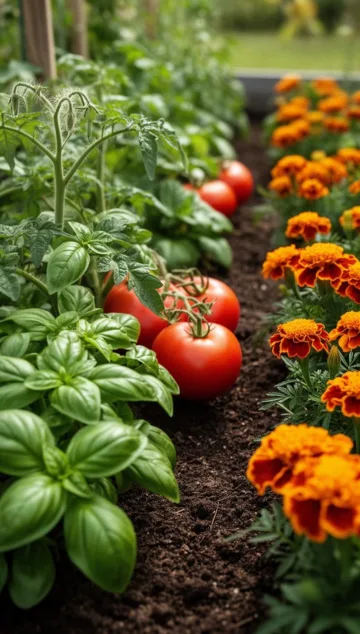
There is a reason basil and tomatoes are paired in the kitchen; they are best friends in the soil, too. Basil is widely believed to improve the flavor of tomatoes when grown nearby. Furthermore, its strong scent helps repel thrips and mosquitoes.
The Guardian of the Garden: Marigolds
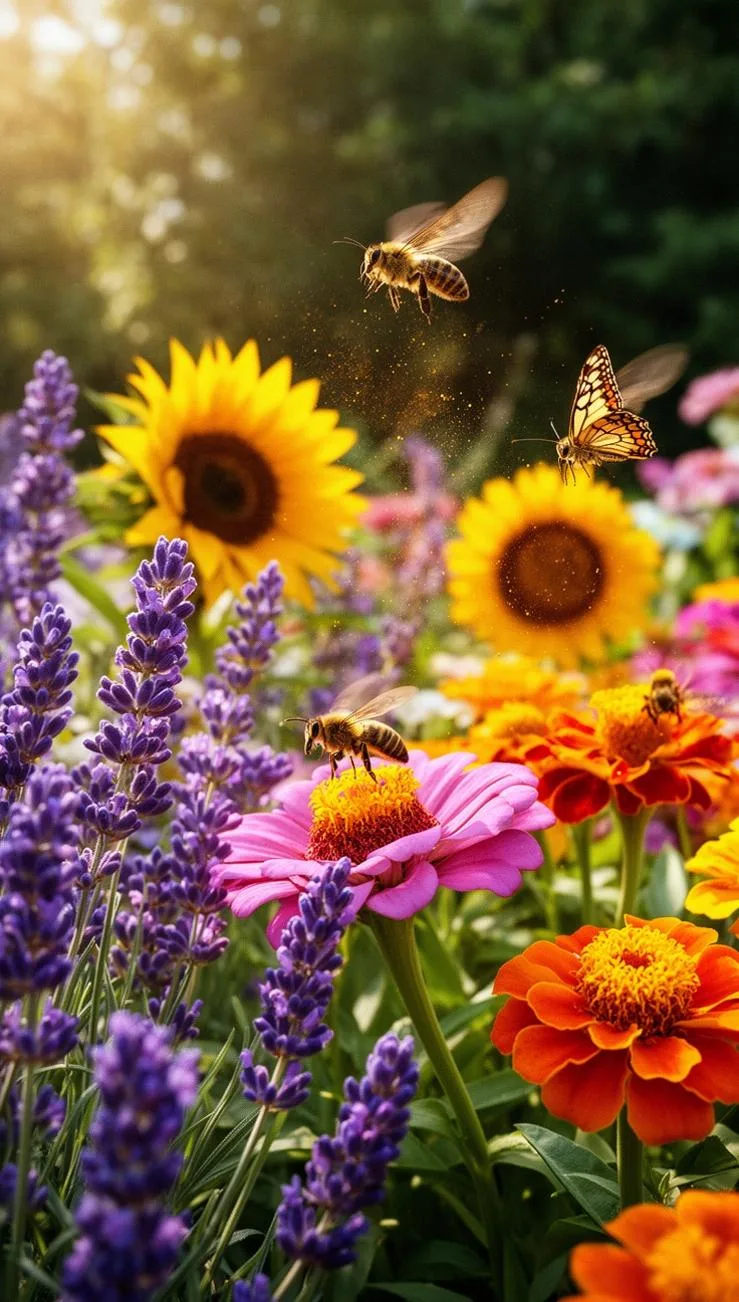
French Marigolds are the true workhorses of the vegetable garden. They produce a chemical called alpha-terthienyl, which helps suppress root-knot nematodes in the soil. Their bright blooms also attract hoverflies, which eat aphids.
The Vertical Ally: Garlic and Onions
Members of the Allium family are excellent at warding off spider mites and aphids. Their pungent scent acts as a biological shield, and because they grow mostly underground or vertically, they don’t compete with tomatoes for sunlight.
The Soil Specialist: Nasturtiums
Nasturtiums are beautiful, edible, and incredibly functional. They act as a trap crop for aphids. Instead of attacking your precious beefsteak tomatoes, the aphids are drawn to the nasturtiums, where they can be easily managed.
Plants to Keep Away from Your Tomatoes
Not every plant is a friend. Some “bad neighbors” can stunt growth or invite disease.
Avoid the Brassicas
Broccoli, kale, and cauliflower are heavy feeders that compete for the same nutrients as tomatoes. Additionally, they can stunt the growth of tomato vines.
The Walnut Warning
Never plant tomatoes near a Black Walnut tree. These trees release a chemical called juglone into the soil, which causes “walnut wilt”—a death sentence for tomato plants.
The Potato Problem
Since potatoes and tomatoes are in the same family (Solanaceae), they are susceptible to the same blights and pests. Planting them together increases the risk of a total crop failure if a disease takes hold.
Step-by-Step Instructions for a Successful Companion Garden
Ready to get your hands in the dirt? Follow these steps to set up your organic tomato oasis. Proper companion planting tomatoes requires a bit of planning, but the results are well worth the effort. By following this sequence, you ensure that your tomato companion plants have the space and resources they need to thrive alongside your main crop.
Step 1: Map Your Layout
Sketch your garden bed. Place your tomatoes in the center or the north side of the bed so they don’t shade out smaller companions as they grow tall. Plan for 18-24 inches of space between tomato plants.
Step 2: Prepare the Soil
Amend your soil with high-quality compost. Tomatoes are heavy feeders, and their companions will also need nutrients. Aim for a slightly acidic pH (6.2 to 6.8).
Step 3: Transplant Tomatoes First
Install your tomato seedlings and their support structures (cages or stakes) first. This prevents you from accidentally stepping on smaller companions later.
Step 4: Surround with “The Protective Circle”
Plant marigolds and basil around the perimeter of the tomato plants. This creates a scent barrier that pests must cross before they reach your vines.
Step 5: Fill the Gaps with Root Crops
In the spaces between tomato plants, sow carrot seeds. Carrots love the shade provided by tomato leaves, and they help aerate the soil for the tomato roots.
Step 6: Mulch and Water
Apply a layer of straw or shredded leaves. Water at the base of the plants to avoid wetting the foliage, which can lead to fungal issues.
Tips from Experienced Gardeners
After years of trial and error, veteran gardeners have discovered a few “pro tips”:
- Succession Sowing: Don’t plant all your basil at once. Sow a new batch every three weeks so you always have fresh, aromatic leaves to protect your ripening tomatoes.
- Don’t Forget the Pollinators: Plant Borage. It has beautiful blue flowers that bees love. Better pollination means more fruit per plant.
- Airflow is King: Even with companions, don’t overcrowd. Air must be able to circulate to prevent Powdery Mildew.
Common Mistakes to Avoid
Planting Too Densely
It’s tempting to pack in as many plants as possible, but competition for water and light can lead to spindly, weak tomatoes. Give every plant its “personal space.”
Ignoring the Roots
Be careful when planting companions near established tomatoes. You don’t want to damage the shallow feeder roots of the tomato plant. Always try to plant companions at the same time as the tomatoes.
Over-Fertilizing
Adding too much nitrogen will give you lush green leaves but very little fruit. Balance your soil amendments to ensure phosphorus and potassium are available for fruit production.
Tools and Materials Needed
To get started, make sure you have the following:
- High-quality Seedlings: Healthy tomato, basil, and marigold starts.
- Hand Trowel: For precise planting of smaller companions.
- Compost: Well-rotted organic matter for soil enrichment.
- Garden Twine and Stakes: To keep your tomatoes upright.
- Mulch: Straw, wood chips, or dried grass clippings.
Seasonal and Climate Considerations
Your strategy should change depending on where you live. In hot, southern climates, use companions like parsley and cilantro to provide “living mulch” that keeps soil temperatures down. In cooler, northern climates, keep companions slightly further away to ensure the sun can reach the soil and warm it up quickly in the morning.
Benefits of This Gardening Method
The beauty of this method lies in its efficiency. You will notice:
- Higher Yields: Better pollination and fewer pests lead to more poundage.
- Reduced Chemical Use: You won’t need toxic sprays when your plants are doing the work for you.
- Biodiversity: You are creating a habitat for beneficial insects, birds, and soil microbes.
Alternative Methods: Intercropping and Square Foot Gardening
If you have limited space, consider “Square Foot Gardening.” This method uses a grid to maximize every inch, allowing you to grow a tomato plant in one square and surround it with four different companions in the adjacent squares. Alternatively, “Interrow Cropping” involves planting a row of tomatoes followed by a row of a different species, which is excellent for larger vegetable patches.
Conclusion
Embracing the power of tomato companion plants is one of the most rewarding steps a gardener can take. By moving away from monoculture and toward a diverse, supportive environment, you are choosing a path that leads to healthier plants and tastier harvests. Remember that companion planting tomatoes is both a science and an art; don’t be afraid to experiment with different combinations to see what works best in your specific soil and climate. With a little planning and the right neighbors, your tomato garden will be the envy of the neighborhood.
Frequently Asked Questions
Can I plant cucumbers next to tomatoes?
Yes, they are generally compatible as they share similar requirements for sun and water. However, both are susceptible to similar blights, so ensure plenty of airflow between them.
Is it true that carrots make tomatoes taste better?
While there is no scientific proof that carrots change the flavor, they do loosen the soil, which allows tomato roots to grow deeper and access more minerals, potentially improving the fruit’s quality.
How many marigolds do I need per tomato plant?
A good rule of thumb is two marigolds for every one tomato plant, placed about 8-10 inches away from the base of the tomato.
Can I grow peppers and tomatoes together?
Yes, they are “cousins” and grow very well together. Just be mindful of spacing, as both can grow quite large and compete for sunlight.
Does basil really repel pests?
Basil’s strong essential oils are known to deter whiteflies and aphids. To maximize this effect, gently brush the basil leaves when you walk by to release the aroma into the air.