Start Growing Fresh, Healthy Produce Right Outside Your Door: A Friendly Guide for New Gardeners
Opening
Ever wondered why a small patch of soil can turn a dull yard into a vibrant source of fresh meals? For beginners, a backyard vegetable garden is the perfect entry point to discover soil, seeds, and the joy of harvesting. Not only does it beautify your space, it also feeds your family and deepens your connection with nature. In this article we’ll explore the basics of creating a thriving home food garden, backyard farming setup that any hobbyist can manage, even with limited space or experience.
Planning Your Garden Space
Assess Sunlight and Soil
Most vegetables need 6–8 hours of direct sun each day. Walk around your yard during midday and mark the brightest spots. Test the soil’s texture by squeezing a handful: it should feel crumbly, not too sandy or clay‑heavy.
Choose Your Garden Layout
- Row planting – classic, easy for larger plots.
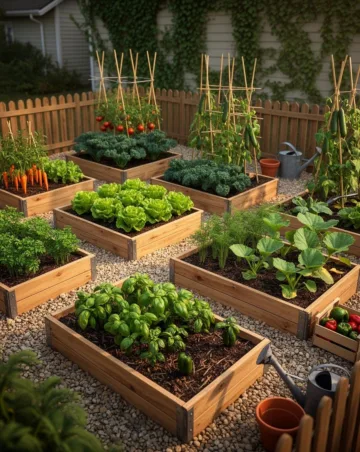
- Raised beds – improves drainage and reduces soil compaction.
- Container gardening – ideal for patios or limited ground area.
Soil Preparation
Amend the Earth
Mix in organic matter such as compost, well‑rotted manure, or leaf mold at a rate of about 2–3 inches. This boosts fertility, water‑holding capacity, and beneficial microbes.
pH Check
Most vegetables flourish in a pH of 6.0–6.8. Purchase a simple test kit from a garden center and adjust with lime (to raise pH) or sulfur (to lower pH) as needed.
Selecting the Right Vegetables
Beginner-Friendly Crops
- Leafy greens – lettuce, spinach, kale (fast growth, short season).
- Root vegetables – carrots, radishes, beets (minimal staking).
- Fruit‑bearing plants – tomatoes, peppers, cucumbers (high yield).
Consider Your Climate
Choose varieties labeled “early” or “cold‑tolerant” if you have a short growing season. For warm regions, look for heat‑resistant types like ‘Heatmaster’ tomatoes.
Planting Techniques
Spacing and Depth
Follow seed packet instructions—generally sow seeds ¼ to ½ inch deep and space rows 12–18 inches apart. For transplant seedlings, plant at the same depth they grew in their pots.
Watering Basics
Water early in the morning to reduce evaporation. Use a drip‑irrigation system or soaker hose for consistent moisture without wetting foliage (which can lead to disease).
Step‑by‑Step Instructions
Ready to get your hands dirty? Follow these nine steps to launch a successful backyard vegetable garden and enjoy the rewards of home food garden, backyard farming:
- Pick a sunny spot – ensure at least six hours of direct light.
- Mark the layout – draw rows or outline raised beds using rope or spray paint.
- Prepare the soil – loosen the top 12 inches and incorporate compost.
- Test and adjust pH – amend with lime or sulfur as needed.
- Choose crops – start with lettuce, radishes, and tomatoes for quick results.
- Sow seeds or transplant seedlings – follow spacing guidelines.
- Water consistently – aim for 1 inch per week, more in hot weather.
- Mulch – apply a 2‑inch layer of straw or shredded leaves to retain moisture.
- Monitor growth – stake tall plants, watch for pests, and harvest regularly.
Tips from Experienced Gardeners
- Rotate crops annually to prevent soil‑borne diseases.
- Plant companion species—basil near tomatoes deters aphids.
- Harvest early for a longer producing season; many greens keep producing after the first cut.
- Use a garden journal to track planting dates, varieties, and yields.
Common Mistakes to Avoid
- Over‑watering – soggy soil rots roots.
- Planting too deep – seedlings struggle to emerge.
- Neglecting pest checks – early detection prevents infestations.
- Skipping soil amendment – poor fertility leads to weak plants.
Tools or Materials Needed
- Garden fork or spade
- Hand trowel
- Soil test kit
- Compost or well‑rotted manure
- Drip irrigation tubing or soaker hose
- Mulch (straw, wood chips, or shredded leaves)
- Garden gloves and kneeling pad
Seasonal or Climate Considerations
Spring
Start cool‑season crops as soon as the soil can be worked (usually 40‑45 °F). Use row covers to protect seedlings from late frosts.
Summer
Provide shade cloth for lettuce and herbs to prevent bolting. Increase watering frequency during heat waves.
Fall
Plant a second round of quick‑growing greens like arugula. Add a layer of leaf mulch to insulate the soil.
Benefits of This Gardening Method
- Food Security – home‑grown vegetables reduce grocery bills.
- Healthier Produce – harvested at peak ripeness, higher nutrient content.
- Environmental Impact – less transportation emissions, improved soil health.
- Therapeutic Value – gardening lowers stress and promotes mindfulness.
Alternative Methods
Vertical Gardening
Use trellises, cages, or stacked planters to grow beans, peas, and cucumbers upward, maximizing limited space.
Square Foot Gardening
Divide a raised bed into 1‑foot squares; plant a specific number of seeds per square for efficient use of soil and water.
Hydroponic Systems
For those interested in soil‑free growing, a simple DIY nutrient‑film technique can produce lettuce year‑round inside a greenhouse.
Conclusion
With thoughtful planning, proper soil care, and a few simple tools, anyone can turn a modest plot into a productive backyard vegetable garden. Embracing home food garden, backyard farming not only supplies fresh, tasty vegetables but also creates a lasting hobby that connects you to the seasons and the soil. Start small, stay curious, and watch your garden—and confidence—grow.
Frequently Asked Questions
- How much space do I need for a beginner’s garden? A 4 × 8‑foot raised bed is enough to grow a variety of vegetables for a small family.
- What’s the best time to sow seeds? Plant cool‑season crops as soon as the soil is workable (40‑45 °F) and warm‑season crops after the last frost, when soil reaches 60‑70 °F.
- Do I need fertilizer? If you add plenty of compost, most gardens stay fertile for a season. Use a balanced organic fertilizer for heavy feeders like tomatoes.
- How can I protect my garden from pests? Apply row covers, use companion planting, and hand‑pick insects early. Neem oil is an effective organic option.
- When should I harvest my vegetables? Harvest leafy greens when they reach 4‑6 inches tall, and pick fruiting vegetables (tomatoes, peppers) when fully colored but still firm.