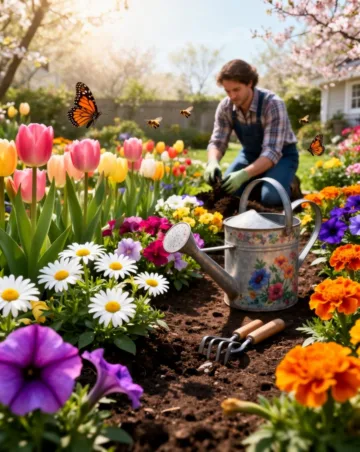
The Ultimate Guide to April’s Floral Favorites: Transform Your Garden This Spring
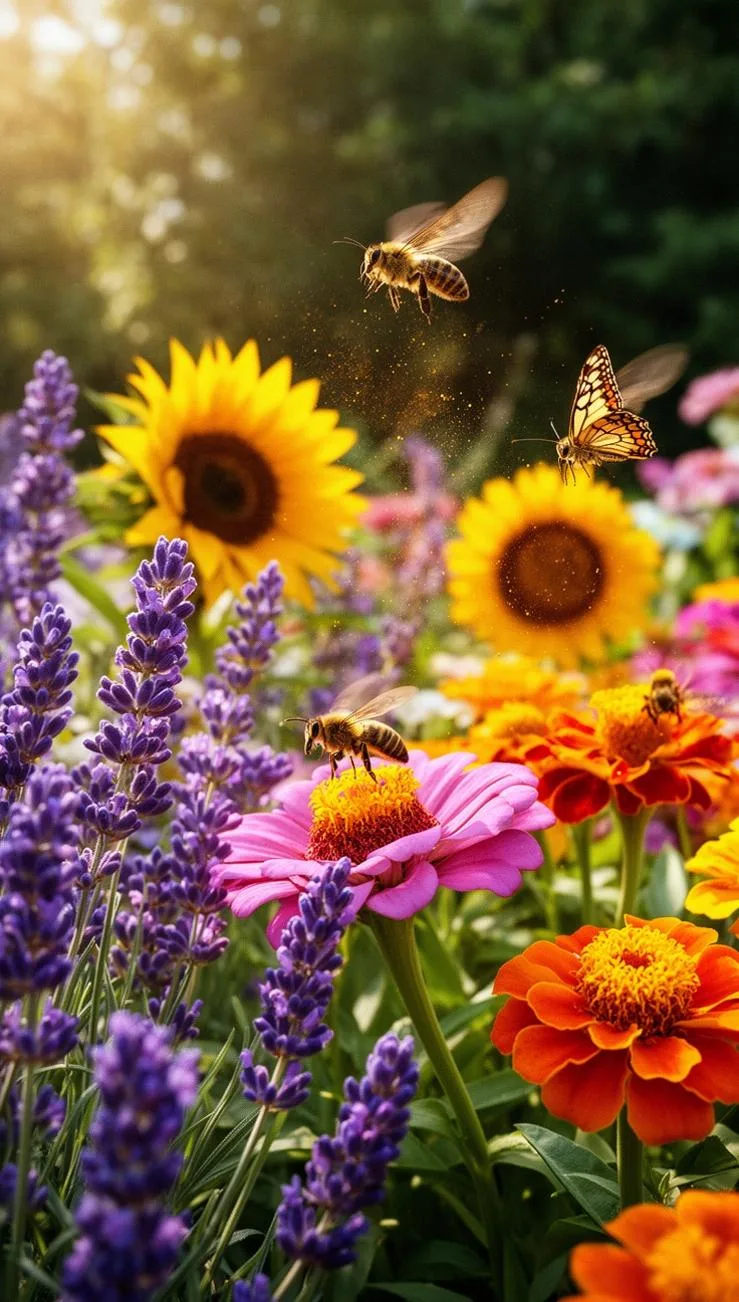
The arrival of April is a magical turning point for anyone with a green thumb. As the soil finalmente begins to shed its winter chill and the days stretch longer, the urgency to get outside becomes irresistible. This month is the “sweet spot” of the gardening calendar. It is a time of transition where you can still tuck in cold-hardy varieties while beginning to prep for the heat of summer. Choosing the right flowers to plant in april is essential because it sets the foundation for a vibrant landscape that will bloom consistently through the coming months. Engaging in spring flower planting now ensures that your garden is ahead of the curve, providing essential nectar for early-season pollinators like bumblebees and butterflies.
Top Flower Varieties for Your April Garden
April is unique because it accommodates both hardy annuals and long-lived perennials. Depending on your local hardiness zone, you have a wealth of options that can handle a stray light frost or thrive in the increasing sunshine.
Colorful Pansies and Violas
Pansies are the quintessential early-season flower. These hardy little gems come in almost every color imaginable, often with “faces” that add personality to containers and borders. They prefer the cooler temperatures of April and will often bloom profusely until the true heat of July arrives.
Fragrant Sweet Peas
If you haven’t started your sweet peas yet, early April is often your last chance in many climates. These climbing annuals are famous for their Intoxicating scent. They love the cool dampness of spring soil to establish their roots before they begin their vertical journey up a trellis.
Snapdragons for Vertical Interest
Snapdragons offer wonderful height to the middle or back of a garden bed. They are surprisingly frost-tolerant, making them a reliable choice for April. Their unique “hinged” flowers are a favorite for children and add a whimsical touch to any arrangement.
Hardy Perennials: Bleeding Hearts and Columbine
April is also an excellent time to get perennials in the ground. Bleeding Hearts (Lamprocapnos spectabilis) thrive in the shade and offer iconic heart-shaped blooms. Columbine (Aquilegia) is another fantastic choice, offering delicate, spurred flowers that attract hummingbirds.
Step-by-Step Instructions for April Planting
Success in the garden isn’t just about what you plant, but how you plant it. Follow these steps to ensure your spring flower planting efforts result in a healthy, thriving display.
Step 1: Soil Preparation
Before you dig, check the moisture level of your soil. If you squeeze a handful and it stays in a tight, muddy ball, it is too wet to work. Wait until it crumbles easily. Once ready, mix in two to three inches of high-quality compost to provide the nutrients your flowers to plant in april will need for their initial growth spurt.
Step 2: Hardening Off
If you have started seeds indoors or bought plants from a warm greenhouse, do not put them directly into the ground. Spend 7–10 days “hardening them off.” Place them outside in a sheltered spot for an hour the first day, gradually increasing their exposure to wind and sun.
Step 3: Planting Technique
Dig a hole twice as wide as the plant’s root ball but no deeper. For most flowers, the top of the root ball should be level with the soil surface. Tease the roots gently if they are circling the pot, place the plant in the hole, and firm the soil around it to remove air pockets.
Step 4: Initial Watering and Mulching
Water heavily immediately after planting to help settle the soil. Apply a thin layer of organic mulch, such as shredded bark or leaf mold, around the base of the plants. This keeps the roots cool and prevents early-season weeds from competing for space.
Tips from Experienced Gardeners
Seasoned gardeners know that April can be unpredictable. Here are a few “pro tips” to give your garden an edge:
- Deadheading is Key: For plants like pansies and snapdragons, pinch off faded flowers. This prevents the plant from putting energy into seed production and forces it to create more blooms.
- Watch the Nightly News: A sudden “Snap Frost” can happen in April. Keep old bedsheets or burlap sacks handy to cover tender new transplants overnight if temperatures are predicted to dip below freezing.
- Feed Your Soil, Not Just Your Plants: Instead of heavy synthetic fertilizers, use liquid seaweed or fish emulsion in April. It provides a gentle boost without burning delicate new roots.
Common Mistakes to Avoid
Even intermediate gardeners can fall into these common April traps:
- Planting Too Early: It’s tempting to buy zinnias or hibiscus when you see them at the garden center, but these are heat-lovers. Planting tropicals before the soil is consistently 60°F (15°C) will stunt their growth.
- Ignoring Drainage: Spring rains can be heavy. Ensure your planting site doesn’t have standing water, which causes root rot.
- Crowding Your Plants: It’s tempting to plant tightly for an immediate “full” look, but remember that April starts are small. Give them room to grow, or they will suffer from poor air circulation and powdery mildew later.
Tools and Materials Needed
To get the job done right, gather these essentials before you head outside:
- Hand Trowel: A sturdy, stainless steel trowel for digging precise holes.
- Garden Gloves: To protect against thorns and soil-borne bacteria.
- Compost or Well-Rotted Manure: For soil enrichment.
- Watering Can with a “Rose” Attachment: This provides a gentle spray that won’t wash away soil from new seedlings.
- Mulch: To regulate soil temperature and moisture.
- Pruning Shears: To trim back any dead wood from perennials as they emerge.
Seasonal and Climate Considerations
Your April strategy depends heavily on your location. If you are in a northern climate, April might still involve snowmelt, meaning you should focus on ultra-hardy bulbs and primroses. In southern climates, April is already leaning toward summer, meaning you should prioritize mulch and consistent irrigation to combat the rising heat. Always consult your local “Last Frost Date” before committing sensitive plants to the earth.
Benefits of Planting in April
Why is April such a pivotal month? First, the natural rainfall common in spring does the heavy lifting of watering for you. Second, planting now allows root systems to become established before the stress of summer heat arrives. Established plants are more drought-tolerant and pest-resistant. Finally, gardening in April has immense mental health benefits; after a long winter, the tactile experience of working the soil is a powerful way to reduce stress and connect with nature.
Alternative Methods: Container Gardening and Raised Beds
If your garden soil is still too mucky or frozen to work, don’t worry! You can use alternative methods:
- Pottery and Containers: Containers warm up much faster than the ground. You can plant your April flowers in pots on a sunny porch and move them indoors if a frost looms.
- Raised Beds: Because they are elevated, raised beds drain faster and the soil stays warmer. This allows for earlier planting of flowers like Sweet Williams and Larkspur.
- Lasagna Gardening: If you want to start a new bed in April without digging, try layering cardboard, compost, and straw. You can plant directly into the top layer of compost.
Conclusion
Determining which flowers to plant in april is an exciting puzzle for every gardener. Whether you are filling containers with cheery violas or preparing a perennial border with bleeding hearts, the work you do now will pay dividends all season long. By mastering the art of spring flower planting, you ensure a garden that is resilient, colorful, and full of life. Remember to monitor your local weather, prepare your soil with care, and choose plants that suit your specific light conditions. Happy gardening!
Frequently Asked Questions
1. Can I plant roses in April?
Yes, April is an excellent time to plant “bare-root” roses or container-grown roses. The mild weather allows the roots to settle before the plant has to produce heavy blooms in June.
2. Is it too late for tulips and daffodils?
For April, it is too late to plant bulbs for this year’s bloom (those should go in during the fall). However, you can buy “forced” bulbs in pots from garden centers and transplant them into your garden after they finish blooming.
3. Do I need to fertilize my flowers immediately?
If you have added compost to your soil, you don’t need heavy fertilizer right away. Wait until you see new green growth, then apply a diluted, balanced liquid fertilizer.
4. What should I do if a frost is predicted after I’ve planted?
Don’t panic! Cover your plants with a frost cloth, an upside-down bucket, or even a cardboard box. Remove the cover as soon as temperatures rise above freezing the next morning.
5. How often should I water new plants in April?
Check the soil daily. While April is often rainy, wind can dry out the surface quickly. If the top inch of soil feels dry, give your plants a thorough drink at the base.