The Ultimate Guide to Success: How to Harvest Your Own Backyard Bounty
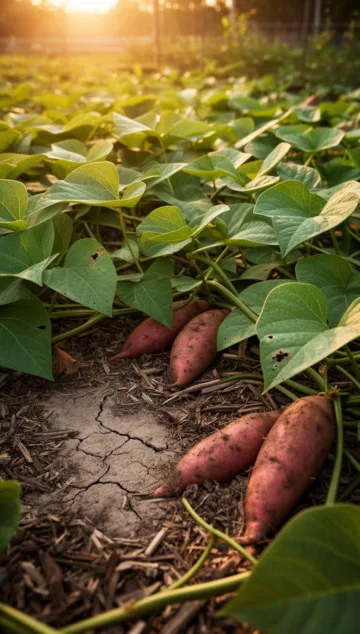
There is something incredibly satisfying about reaching into the warm, crumbly earth and pulling out a cluster of vibrant tubers. Unlike common potatoes, which are cool-weather lovers, sweet potatoes (Ipomoea batatas) are the tropical stars of the summer garden. They are surprisingly low-maintenance, heat-tolerant, and offer a dual reward: nutritious roots and edible lush green vines. If you want to grow sweet potatoes successfully, you don’t need a massive farm or years of experience. Whether you have a sprawling backyard or just a few large containers on a patio, sweet potato gardening is an accessible and rewarding hobby that provides a massive caloric return for very little work.
Understanding the Sweet Potato Lifecycle
What are Slips?
Unlike most vegetables, you don’t start these plants from seeds or even by planting a “seed potato.” Instead, you use “slips.” Slips are the green sprouts that grow out of a mature sweet potato. Each slip represents an individual plant that will grow its own root system and eventually produce a mound of tubers underground.
Duration to Harvest
Sweet potatoes are a marathon crop, not a sprint. Most varieties require between 90 and 120 days of frost-free weather to reach maturity. This makes timing essential, especially for gardeners in northern climates who need to maximize the short windows of intense summer heat.
Selecting the Right Cultivar
Standard Varieties
If you enjoy the classic orange, sweet flesh often seen at Thanksgiving, varieties like ‘Beauregard’ or ‘Georgia Jet’ are excellent choices. They are known for high yields and relatively short growing seasons, making them perfect for beginners.
Exotic and Heirloom Options
For those looking for something unique, consider the ‘Murasaki’ (purple skin, white flesh) or ‘Stokes Purple’ (purple skin and flesh). These varieties often have a nuttier flavor and a firmer texture than the traditional orange types.
Step-by-Step Instructions for a Successful Harvest
To successfully grow sweet potatoes, you must begin with healthy slips. You can grow your own by placing a sweet potato halfway in a jar of water or buying them from a reputable nursery. Once the soil temperature has reached a consistent 65°F (18°C), you are ready to begin the planting process.
1. Preparing the Bed
Sweet potatoes thrive in loose, well-draining soil. Dig a trench or create a mound about 8 inches high. Incorporate compost, but avoid high-nitrogen fertilizers, as these will encourage beautiful leaves but very small tubers. Sweet potato gardening is most successful in soil with a pH between 5.8 and 6.2.
2. Planting the Slips
Space your slips about 12 to 18 inches apart in rows that are 3 feet apart. Bury the slip up to the first set of leaves. Make sure to press the soil firmly around the sprout and water immediately to reduce transplant shock.
3. Maintenance and Watering
During the first two weeks, keep the soil consistently moist. Once established, sweet potatoes are quite drought-tolerant, but they will produce more uniform roots if they receive roughly an inch of water per week. Do not prune the vines; the more leaves the plant has, the more energy it can pump into the tubers.
4. Harvesting and Curing
When the vines begin to turn yellow, or just before the first frost, it is time to dig. Use a garden fork to gently lift the soil, being careful not to bruise the skin. After digging, let them “cure” in a warm (80°F+), humid spot for 10 days. This process heals nicks and allows the starches to convert into sugars, giving them that signature sweetness.
Tips from Experienced Gardeners
The “Black Plastic” Trick
In cooler climates, gardeners often lay down black plastic mulch over the soil two weeks before planting. This traps solar heat, warming the earth to the tropical temperatures these plants crave, giving your slips a massive head start.
Don’t Over-Fertilize
New gardeners often make the mistake of adding too much manure. High nitrogen leads to a “lush vine, tiny root” syndrome. Focus on potassium-rich amendments like wood ash or specialized organic fertilizers to encourage tuber development.
Common Mistakes to Avoid
Planting Too Early
Sweet potatoes are incredibly sensitive to cold. If you plant them when the soil is still chilly, they will sit dormant or rot. Patience is a virtue; wait until the night temperatures stay above 55°F consistently.
Rough Handling During Harvest
Freshly dug sweet potatoes have very thin, delicate skins that tear easily. Any wound can lead to rot during storage. Always use your hands or a blunt tool when searching for the tubers, and never “wash” them before curing—simply brush off the dry dirt.
Tools or Materials Needed
- Healthy Slips: Certified disease-free slips are best.
- Garden Fork: Far better than a shovel for lifting tubers without slicing them.
- Compost: For soil structure and slow-release nutrients.
- Mulch: Straw or grass clippings help retain moisture and suppress weeds.
- Space: Remember that a single plant can trail up to 10 feet!
Seasonal or Climate Considerations
The Tropical Native
Since sweet potatoes originated in Central and South America, they love humidity and heat. In Zone 8 and higher, they can be grown almost year-round. However, in Zones 5 and 6, you must utilize every bit of the summer sun. If your season is short, look for “short-season” varieties that mature in 90 days or less.
The Danger of Frost
A single hard frost will kill the foliage. If a frost is predicted and you haven’t harvested yet, cut the vines away immediately to prevent rot from traveling down from the dead leaves into the tubers. Harvest the roots as soon as possible thereafter.
Benefits of Growing Your Own
Nutritional Powerhouse
Homegrown sweet potatoes are packed with Vitamin A, Vitamin C, and fiber. Because you control the soil quality, you can ensure your crops are free from synthetic pesticides.
Excellent Storage Life
Once properly cured, sweet potatoes can last for 6 to 10 months in a cool, dark pantry. This makes them one of the best “homesteading” crops for year-round food security.
Alternative Methods: Containers and Bags
The Grow Bag Method
If you have heavy clay soil that is difficult to work, try using 15-gallon grow bags. Fill them with a mix of potting soil and perlite. This ensures the soil remains loose, allowing the tubers to expand without resistance. It also makes harvesting as easy as tipping the bag over.
Vertical Trellising
Short on space? You can actually train sweet potato vines to grow up a fence or trellis. While the tubers still grow in the ground, vertical growth saves valuable square footage in a small garden and keeps the foliage away from some ground-dwelling pests.
Conclusion
Embarking on a journey to grow sweet potatoes is one of the most fulfilling projects a gardener can undertake. From the lush, heart-shaped leaves that beautify your backyard to the nutrient-dense gold buried beneath the surface, these plants are generous in every way. By mastering the basics of sweet potato gardening—timing your planting with the heat of summer, preparing loose soil, and allowing for a proper curing period—you ensure a harvest that can feed your family throughout the winter months. Start small, pick a variety that suits your climate, and enjoy the magical process of digging for “buried treasure” this autumn.
Frequently Asked Questions
1. Can I grow sweet potatoes from a store-bought tuber?
Yes, but it is risky. Many store-bought potatoes are treated with a growth inhibitor to prevent sprouting. It is always better to buy organic potatoes or certified slips to ensure they haven’t been treated with chemicals.
2. Why are my sweet potatoes long and skinny?
This usually happens in heavy, compacted clay soil. The roots have to work too hard to push through the dirt. To get fat, round potatoes, ensure your soil is very loose and sandy.
3. Do I need to hilled the soil like regular potatoes?
While not strictly necessary for growth, hilling makes harvesting much easier and provides more room for the tubers to expand. It also improves drainage.
4. Are the leaves really edible?
Yes! Sweet potato leaves are highly nutritious and can be eaten raw in salads or sautéed like spinach. However, do not eat the leaves of regular “Irish” potatoes, as they are toxic members of the nightshade family.
5. How do I know when they are ready to dig up?
You can “test” a plant by gently digging around the base with your fingers. If the tubers are at least 4-5 inches long, they are ready. Generally, the yellowing of the vines in late summer is the best visual cue.